Greek Main Courses · The Mainland · Baked · Taverna Night
Greek Whole Baked Sea Bream (Tsipoura Psiti)
Τσιπούρα ψητή tsee-POO-rah psee-TEE · Tsipoura psiti
In short
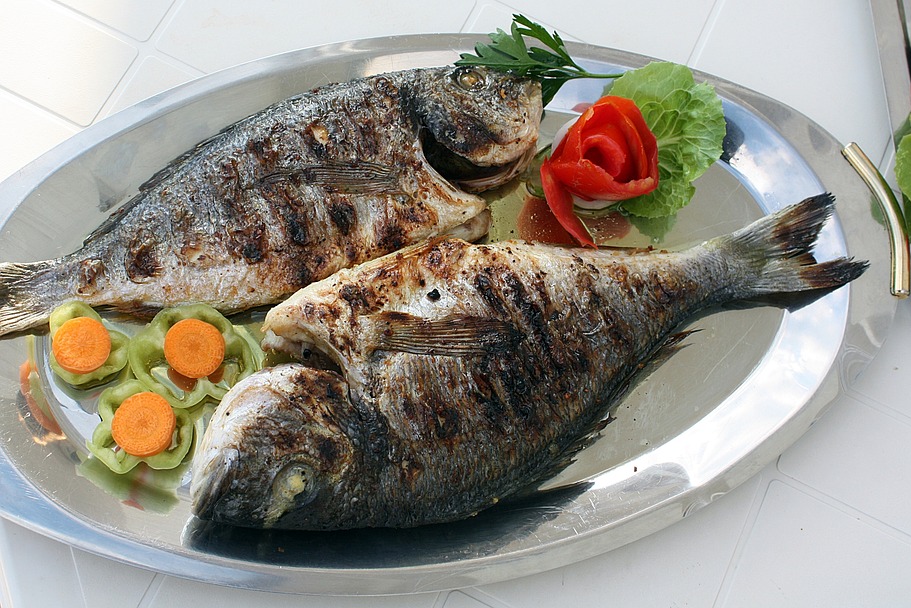
Tsipoura psiti is a whole sea bream baked simply with olive oil, lemon, garlic and a few sprigs of herbs, one of the most classic and widespread Greek fish preparations, deliberately plain to let genuinely good, fresh fish speak for itself rather than being dressed in a heavier sauce.
Whole Baked Sea Bream
- Prep
- 15m
- Cook
- 25m
- Total
- 40m
- Serves
- 2
- Level
- Beginner
Ingredients
Ingredients
Tick ingredients off as you go. Quantities rescale with the buttons above.
Method
- 01Heat the oven to 200C fan 180C.
- 02Score the fish two or three times on each side and season the cavity generously with salt.

Salt - 03Stuff the cavity with the lemon slices, smashed garlic and herbs.
- 04Place the fish on a lined baking tray. Drizzle generously with the olive oil and season the skin with salt and pepper.
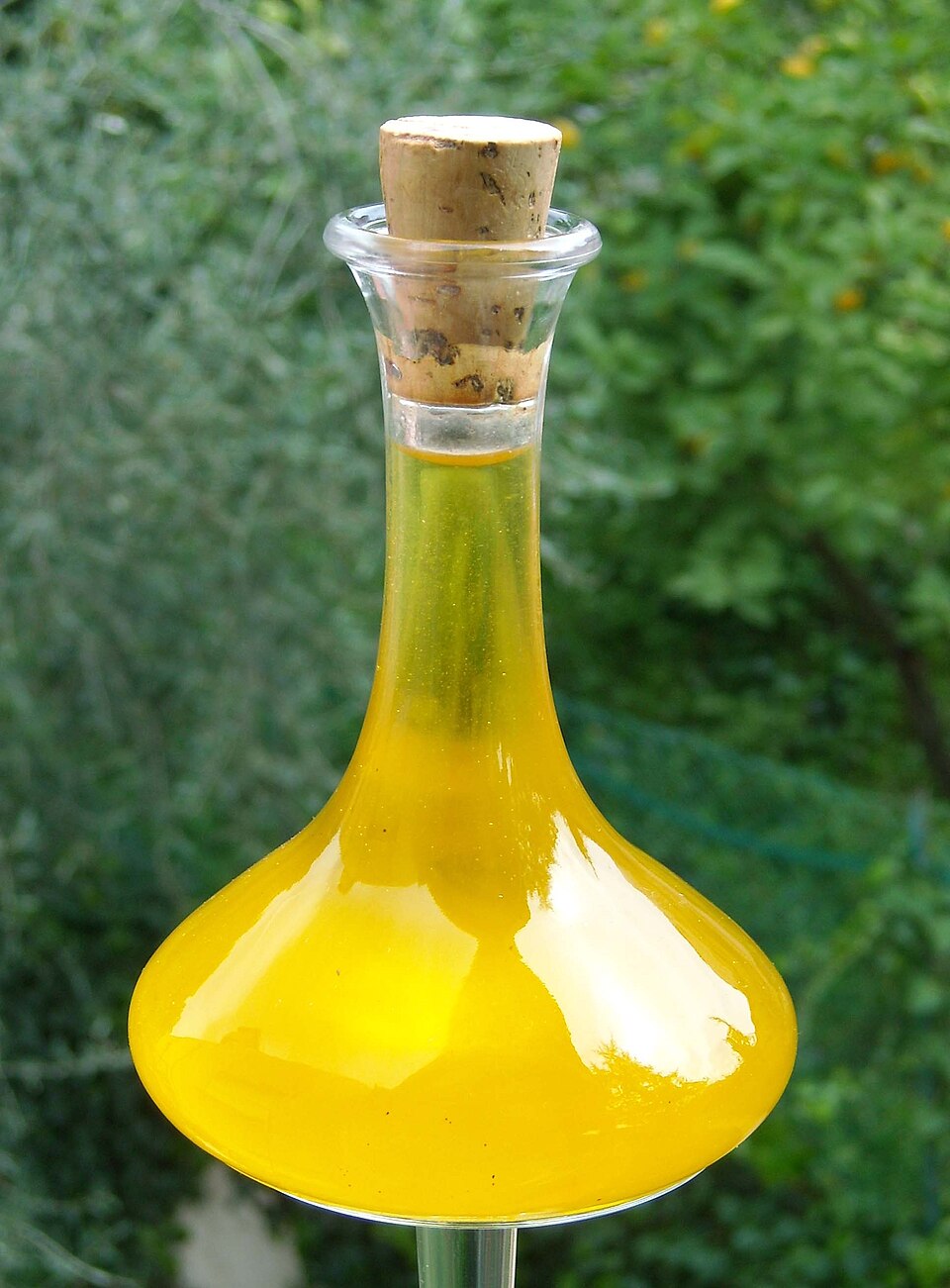
Olive Oil Score the skin before baking.Yiayia - 05Bake for 20 to 25 minutes, until the flesh flakes easily from the bone at the thickest part.
- 06Squeeze over the lemon juice and finish with a final drizzle of olive oil before serving.
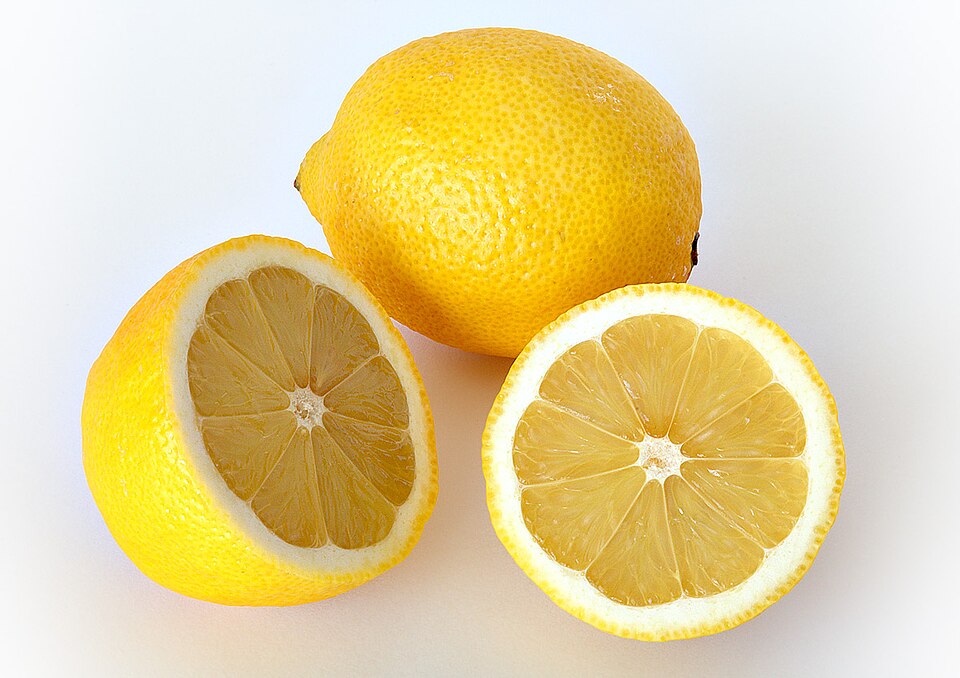
Lemon
Nutrition, per 1 whole fish
- Calories
- 312
- Protein
- 34 g
- Carbs
- 2 g
- Fat
- 18 g
- Sat fat
- 3 g
- Fibre
- 0 g
These figures are calculated estimates based on the ingredients listed, not laboratory analysis. Actual values vary with brands, cuts and portion size.
Tsipoura, sea bream, is one of the most commonly eaten fish in Greece, and tsipoura psiti, baked simply whole with little beyond olive oil, lemon, garlic and a few herbs, is the classic, deliberately plain way it appears on taverna menus up and down the coast.
This plainness is genuinely the whole point: good, fresh whole fish needs very little dressing up, and a heavier sauce would only get in the way of its own clean, delicate flavour, which is exactly why this preparation has stayed the standard rather than being replaced by something more elaborate.
The technique itself asks for almost no real skill beyond timing, since a whole fish this size bakes through fairly quickly, and the main risk is overcooking rather than anything more complicated.
Key preparation steps
- Clean and score the whole fish.
- Stuff the cavity with lemon, garlic and herbs.
- Drizzle generously with olive oil.
- Bake until just cooked through.
Preparing the fish
Have your fishmonger clean and scale the sea bream, then score the skin two or three times on each side, which helps it cook evenly and lets the oil and lemon flavour penetrate the flesh a little further.
Stuffing and seasoning
Season the cavity generously with salt, then stuff it with a few lemon slices, a couple of smashed garlic cloves and a small bunch of parsley or oregano sprigs, which perfumes the fish gently from the inside as it bakes.
Baking
Drizzle the fish generously with olive oil, season the skin, and bake in a hot oven for around twenty to twenty-five minutes, until the flesh flakes easily from the bone at the thickest part. Serve with extra lemon and a final drizzle of good olive oil.
What matters in this dish
Score the skin before baking
This helps the fish cook evenly and lets the oil and lemon flavour the flesh a little more than an unscored fish would allow.
Do not overcook it
A whole fish this size cooks through fairly quickly. Check at the twenty-minute mark, since overcooked fish turns dry rather than staying moist and flaky.
Keep the seasoning genuinely simple
This dish's whole appeal is letting good, fresh fish speak for itself. Resist adding a heavier sauce that would work against that plainness.
Questions people ask about Tsipoura psiti
How do you know when tsipoura psiti is done?
The flesh should flake easily away from the bone at the thickest part of the fish, and should look opaque all the way through rather than translucent near the bone.
Can you use a different whole fish?
Yes, sea bass or any similar-sized whole white fish takes to exactly the same simple treatment well.
Why is this preparation so plain?
It is deliberately simple to let genuinely fresh, good quality fish speak for itself, which is exactly why it has remained the standard taverna preparation rather than being replaced by something more elaborate.