Greek Main Courses · The Mainland · Greek Stews and Ladera · Lent and Nistisima
Greek Cuttlefish Braised in Wine (Soupies Krasates)
Σουπιές κρασάτες soo-pee-ES krah-SAH-tes · Soupies krasates
In short
Soupies krasates is cuttlefish braised slowly in red wine with onion and bay leaf until completely tender, the cuttlefish releasing some of its own ink into the sauce as it cooks, giving a naturally dark, rich braise. It is a genuine alternative to octopus preparations, using a different, equally prized cephalopod.
Cuttlefish Braised in Wine
- Prep
- 25m
- Cook
- 1h
- Total
- 1h 25m
- Serves
- 4
- Level
- Intermediate
Ingredients
Ingredients
Tick ingredients off as you go. Quantities rescale with the buttons above.
Method
- 01Heat the olive oil in a wide pot. Cook the onions for 10 minutes, until soft, then add the garlic and cook for 1 minute.
- 02Add the cuttlefish and cook for 3 to 4 minutes, stirring occasionally.
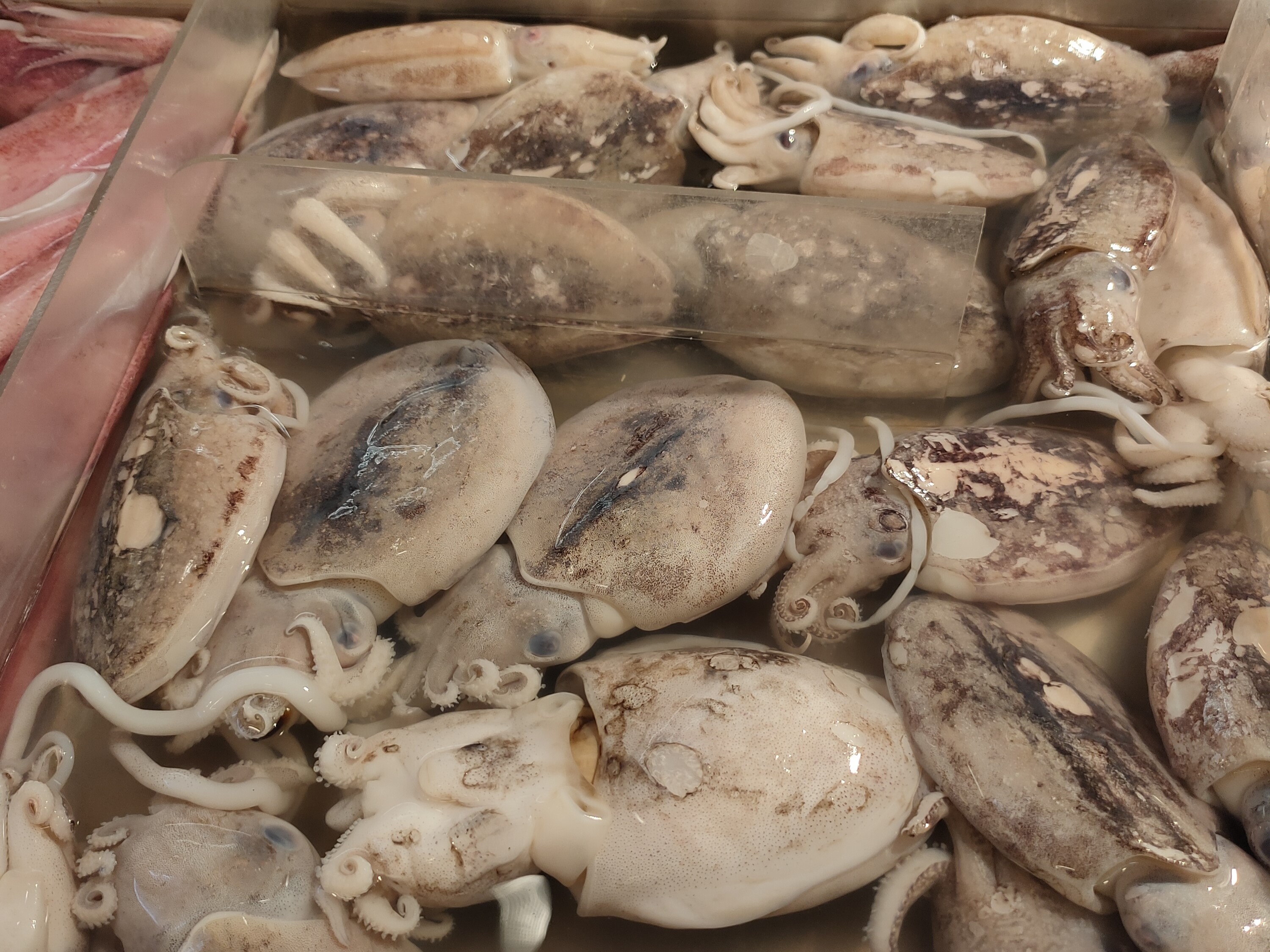
Cuttlefish - 03Pour in the red wine and let it bubble for 2 minutes.
- 04Stir in the tomato paste, bay leaf and water. Season and bring to a simmer.
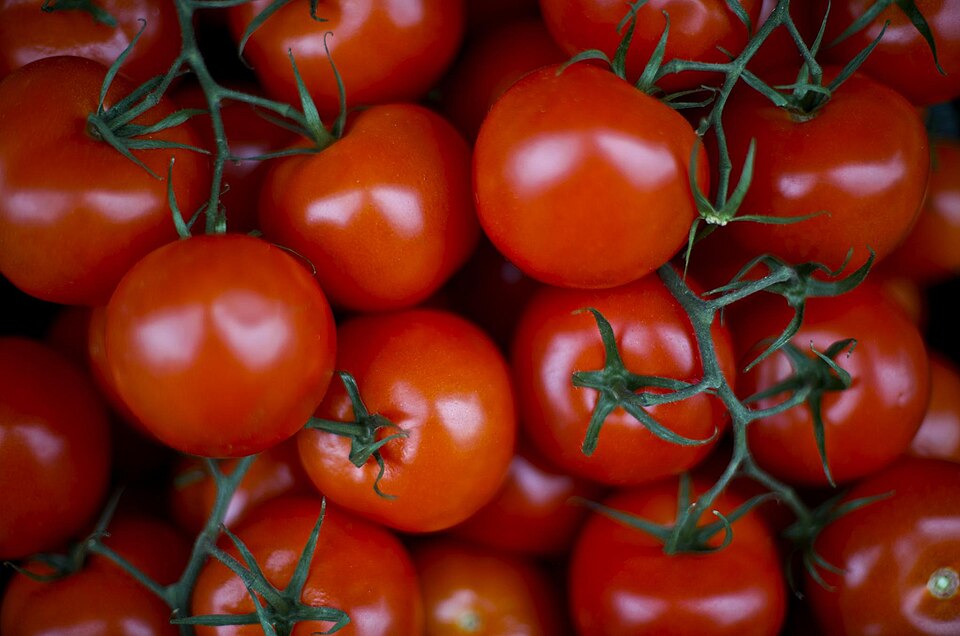
Tomato - 05Cover and simmer gently for 50 minutes to 1 hour, until the cuttlefish is completely tender.Do not rush the braise.Yiayia
- 06Uncover and simmer for a further 10 to 15 minutes, until the sauce has reduced and thickened.
- 07Remove the bay leaf and serve with bread or rice.
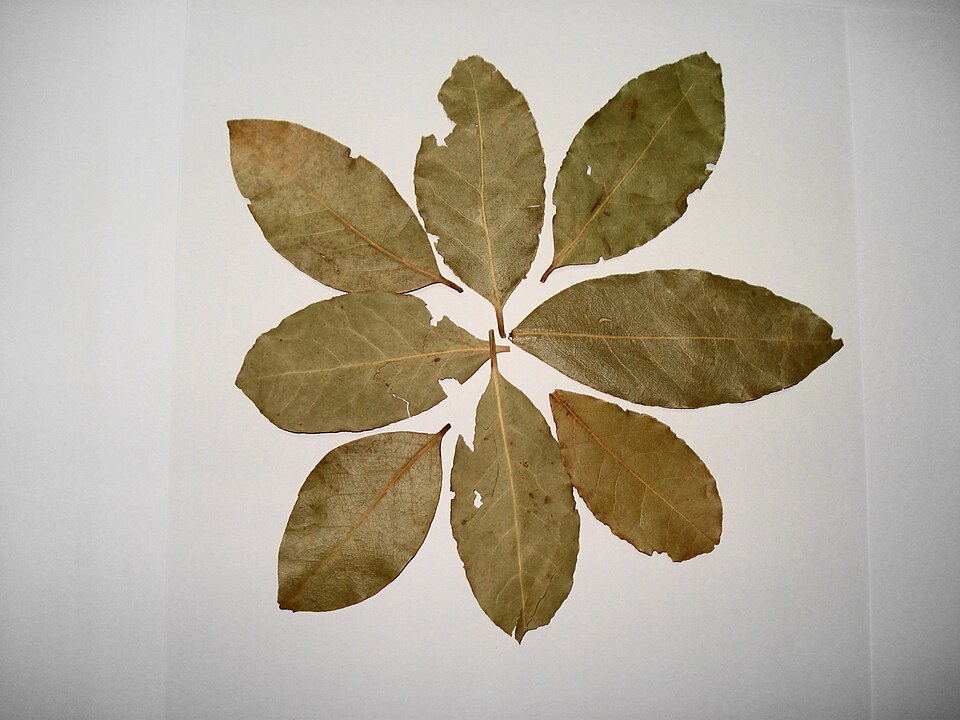
Bay Leaf
Nutrition, per 1 portion
- Calories
- 312
- Protein
- 32 g
- Carbs
- 10 g
- Fat
- 14 g
- Sat fat
- 2 g
- Fibre
- 1 g
These figures are calculated estimates based on the ingredients listed, not laboratory analysis. Actual values vary with brands, cuts and portion size.
Cuttlefish gets far less attention than octopus in most kitchens outside Greece, but it takes just as well to a long, slow braise, and soupies krasates shows it off properly: cooked gently in red wine with onion and bay until completely tender, the cuttlefish's own ink darkening the sauce naturally as it cooks, without anything needing to be added for colour.
The technique mirrors htapodi krasato closely, since both cephalopods respond the same way to slow, wet cooking, becoming genuinely tender rather than rubbery given enough patient time in a simmering pot.
This is a good dish for anyone who has only ever had cuttlefish grilled quickly and found it chewy, since a proper braise here gives a completely different, much more forgiving result.
Key preparation steps
- Clean and cut cuttlefish into rings or strips.
- Build a red wine and onion base.
- Braise the cuttlefish slowly until completely tender.
- Reduce the sauce and serve with bread or rice.
Preparing the cuttlefish
Clean the cuttlefish, removing the internal bone, ink sac if keeping it separate, and any membrane, then cut the body into rings or strips and the tentacles into manageable pieces. Many fishmongers will clean cuttlefish on request, which saves real time and effort at home.
The wine and onion base
Cook a generous amount of sliced onion in olive oil until soft, then add the cuttlefish and cook briefly before pouring in a proper amount of red wine, along with a bay leaf and a little tomato paste for colour and body. Let the wine bubble for a couple of minutes before adding water to just cover.
The slow braise
Simmer gently, covered, for around fifty minutes to an hour, until the cuttlefish is completely tender, which is considerably longer than a quick grill but exactly what turns it from potentially rubbery to genuinely soft. Uncover for the final ten to fifteen minutes to reduce the sauce properly.
Serve with good bread to soak up the rich, dark sauce, or over plain rice.
What matters in this dish
Do not rush the braise
Cuttlefish needs real time, close to an hour, to move past chewy and become genuinely tender. This is not a quick-cooking cephalopod.
Ask your fishmonger to clean it
This saves considerable time and effort, since cleaning cuttlefish properly is fiddly if you have not done it before.
Reduce the sauce at the end
Uncovering for the final stretch is what turns a thin, watery braise into a proper rich, dark sauce.
Questions people ask about Soupies krasates
Why is my cuttlefish rubbery?
This usually means it was cooked in the middle range of time, too long for a quick sear but not long enough for a proper braise. Either a very fast sear or a long, slow braise of close to an hour gives a tender result.
What is the difference between cuttlefish and squid?
They are closely related cephalopods, but cuttlefish has a firmer texture and a slightly richer, more mineral flavour, and its ink is used more often in cooking than squid's.
Can you make soupies krasates ahead?
Yes, it keeps well for two to three days refrigerated and the flavour deepens further, similar to most wine-based braises.