Greek Main Courses · The Cyclades · Baked · The Sunday Table
Sifnos Sunday Chickpea Bake (Revithada)
Ρεβιθάδα reh-vee-THAH-thah · Revithada
In short
Revithada is a slow-baked chickpea dish from the Cycladic island of Sifnos, traditionally started the night before and left to bake for many hours in a low oven until the chickpeas turn deeply golden, creamy, and almost soup-like in their own thickened liquid. Onion, olive oil, bay and time are the entire ingredient list.
Sifnos Sunday Chickpea Bake
- Prep
- 15m
- Cook
- 8h
- Total
- 8h 15m
- Serves
- 6
- Level
- Beginner
Ingredients
Ingredients
Tick ingredients off as you go. Quantities rescale with the buttons above.
Method
- 01Soak the chickpeas in plenty of cold water with the bicarbonate of soda for at least 12 hours, or overnight.
- 02Drain and rinse the chickpeas. Heat the oven to its lowest possible setting, around 110C fan 90C, or 120C fan 100C if that is the lowest available.
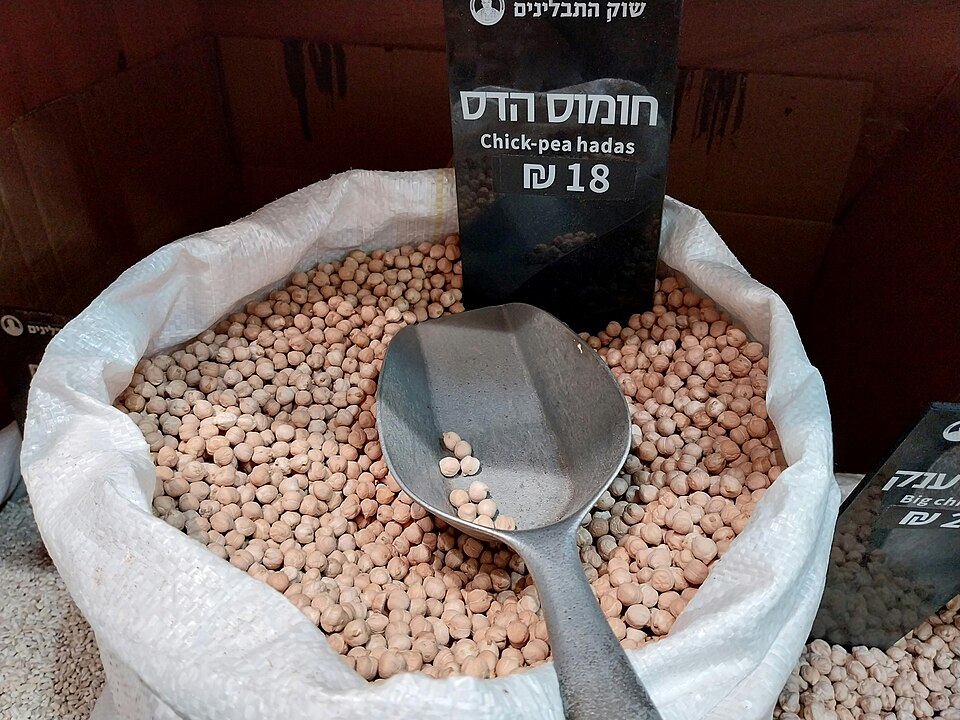
Chickpeas - 03Put the chickpeas into a heavy, tightly lidded casserole or traditional clay pot along with the sliced onion, olive oil and bay leaves.
- 04Pour in the hot water, cover tightly with the lid, and place in the oven.
- 05Bake, undisturbed, for 6 to 8 hours, until the chickpeas are completely tender and the liquid has thickened into a light, creamy sauce.Salt only at the very end.Yiayia
- 06Check near the end and add a splash more hot water if the pot looks nearly dry before the chickpeas are properly tender.
- 07Season generously with salt and pepper only in the final 30 minutes of cooking.
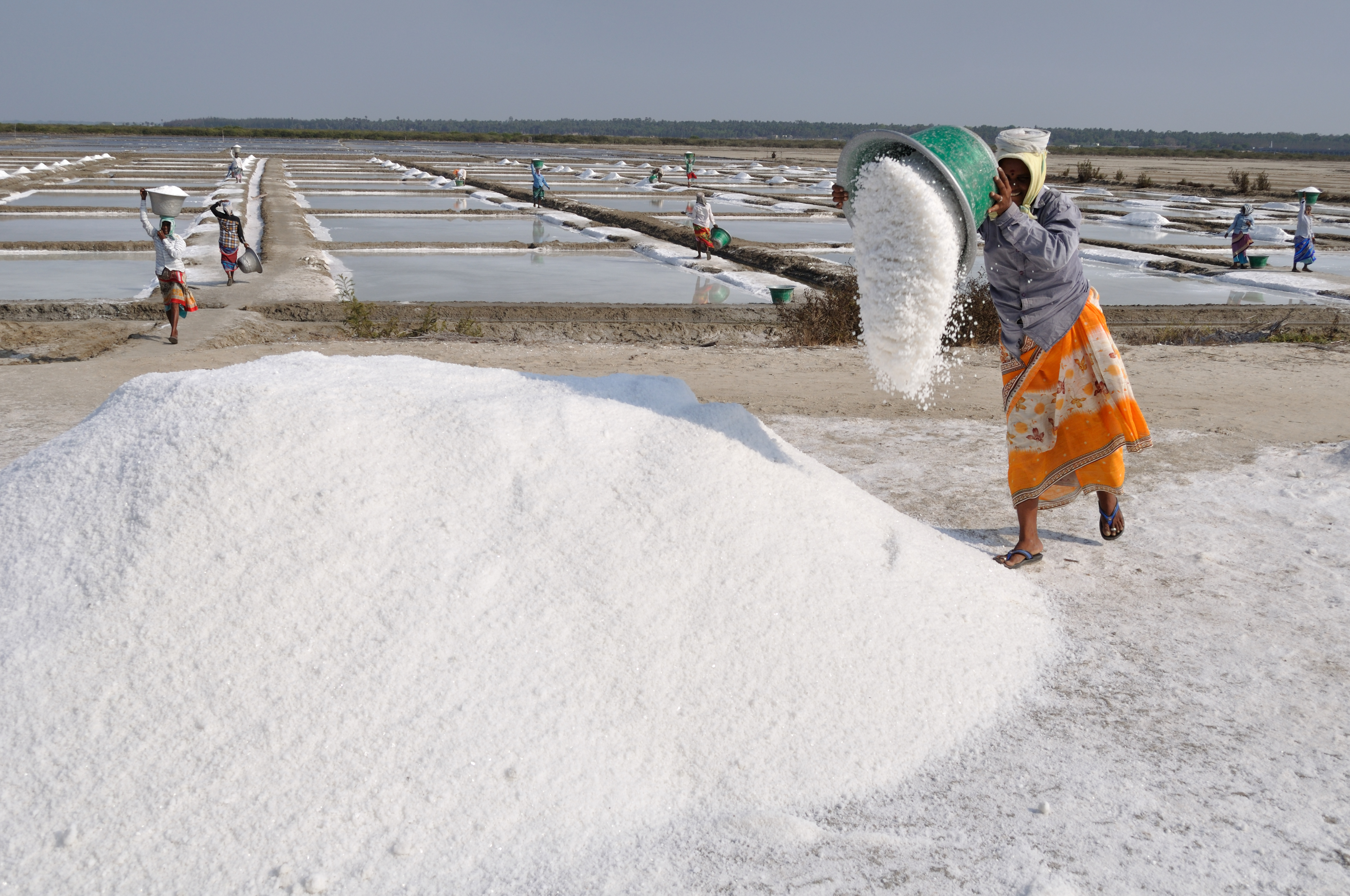
Salt - 08Serve hot, straight from the pot, with a generous drizzle of extra virgin olive oil and lemon wedges at the table.
Nutrition, per 1 portion
- Calories
- 342
- Protein
- 13 g
- Carbs
- 36 g
- Fat
- 16 g
- Sat fat
- 2 g
- Fibre
- 9 g
These figures are calculated estimates based on the ingredients listed, not laboratory analysis. Actual values vary with brands, cuts and portion size.
On Sifnos, revithada is specifically a Sunday dish, traditionally assembled on Saturday night and left in the traditional wood-fired village oven overnight, arriving home from Sunday morning church to a pot that has been quietly transforming for twelve hours or more. It is one of the clearest examples in Greek cooking of how far a handful of humble ingredients can go with nothing but time and a low, steady heat doing the work.
Dried chickpeas, a single onion, good olive oil, bay leaves and water, that really is the whole ingredient list, and the result bears almost no resemblance to a quickly boiled tin of chickpeas. The very long, very low bake breaks the chickpeas down at the edges while keeping their centres intact, thickening the cooking liquid into something closer to a light, creamy sauce than plain broth.
A domestic oven set very low overnight, or a long daytime bake, gets you there without needing an actual village wood oven, though the timing is genuinely long and this is a dish that wants to be started well ahead rather than rushed.
Key preparation steps
- Soak dried chickpeas overnight.
- Layer with sliced onion, olive oil, bay leaf and water in a clay or heavy pot.
- Bake, covered, at a very low temperature for many hours.
- Season only near the very end, once the chickpeas are tender.
Why dried chickpeas, and why they must be soaked
Tinned chickpeas are already fully cooked and will simply disintegrate into mush over the length of this bake, so dried chickpeas, soaked for at least twelve hours beforehand, are not optional here, they are the entire point. Soaking softens them enough that the long, slow bake can finish the job gently rather than needing a hard boil first.
A small pinch of bicarbonate of soda in the soaking water is a traditional addition on several Greek islands, since it helps soften the chickpeas' skins further and can shorten the eventual cooking time slightly.
The traditional clay pot, and using a Dutch oven instead
A traditional revithada pot is unglazed clay with a narrow neck, designed to hold in moisture during hours in a low oven. A heavy, tightly lidded Dutch oven or casserole is the sensible substitute for a home kitchen and gets you most of the way to the same result.
Whatever vessel you use, the lid needs to seal well, since the entire cooking method depends on trapping steam and moisture over a very long, very low bake rather than boiling anything off.
Salting at the right time
Salt added to the pot too early toughens the chickpeas' skins and can genuinely stop them from ever becoming properly tender, no matter how long they bake. Leave all seasoning, salt included, until the final thirty minutes of cooking, once the chickpeas are already soft.
A generous finish of extra virgin olive oil and a squeeze of lemon at the table, once it is served, is traditional and lifts what is otherwise a very plain, comforting dish.
What matters in this dish
Only dried chickpeas will work
Tinned ones are already cooked and will simply fall apart over this length of bake. Soaking dried chickpeas overnight is not a shortcut you can skip.
Salt only at the very end
Added early, it toughens the skins and can stop the chickpeas ever becoming properly tender, however long they bake.
Trust the low, slow heat
This is genuinely a many-hours dish. Do not raise the temperature to rush it, since the whole texture comes from the extended, gentle cooking time.
Questions people ask about Revithada
Can you make revithada faster?
Not really, without losing what makes the dish what it is. The very long, low bake is what breaks the chickpeas down at the edges and thickens the liquid. A pressure cooker gets chickpeas tender fast but produces a completely different, less characterful dish.
Why is revithada traditionally a Sunday dish?
On Sifnos it was traditionally assembled Saturday night and left overnight in the village's shared wood-fired oven, ready when families returned home from Sunday church, making it a practical dish for a community with one shared oven and a day of rest.
Do you need a traditional clay pot to make revithada?
It gives the most authentic result, but a heavy, tightly lidded Dutch oven or casserole is a perfectly good substitute for a home kitchen.