Greek Soups · Northern Greece · Boiled and Simmered · Taverna Night
Greek Tripe Soup (Patsas)
Πατσάς pah-TSAHS · Patsas
In short
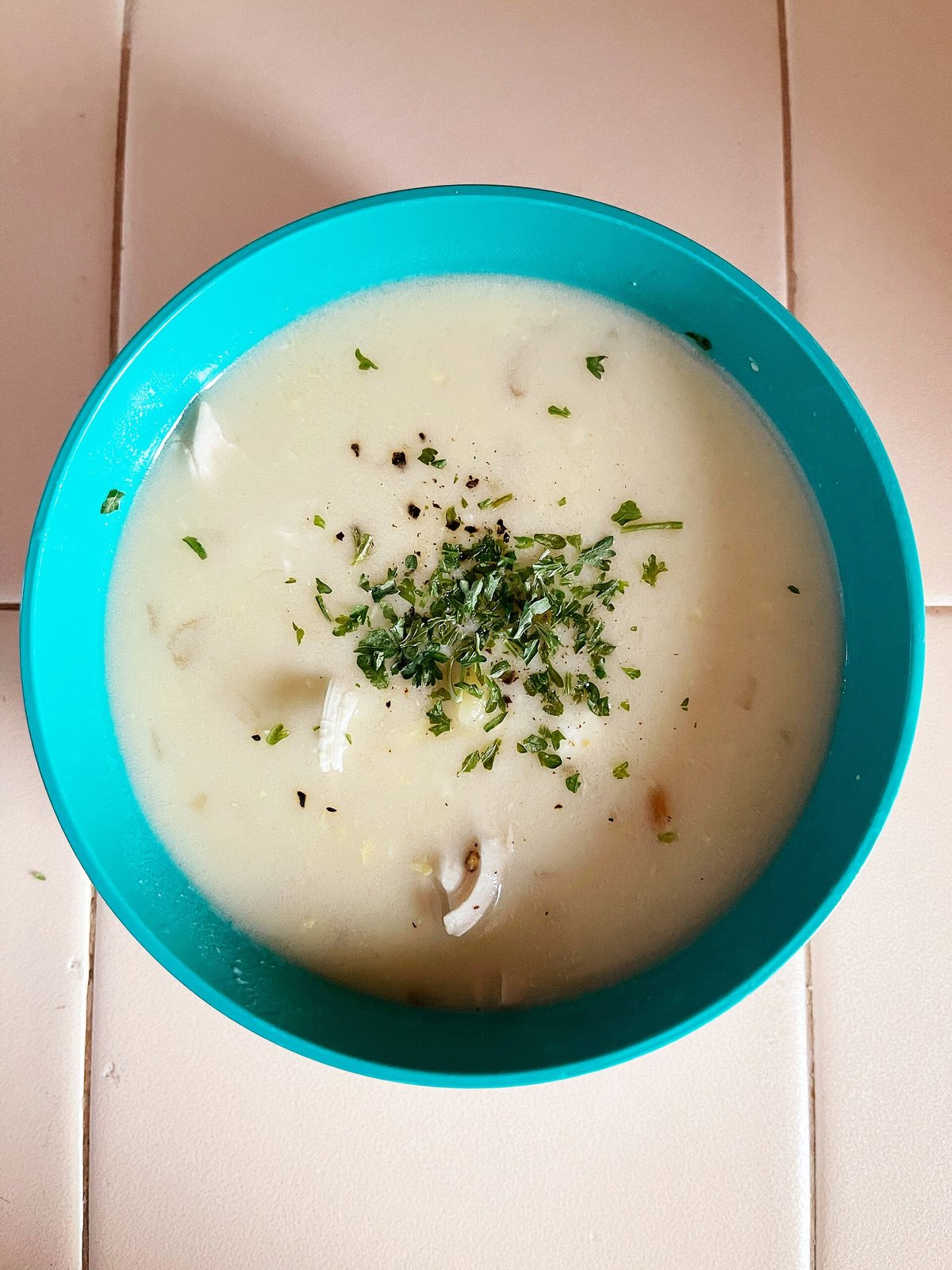
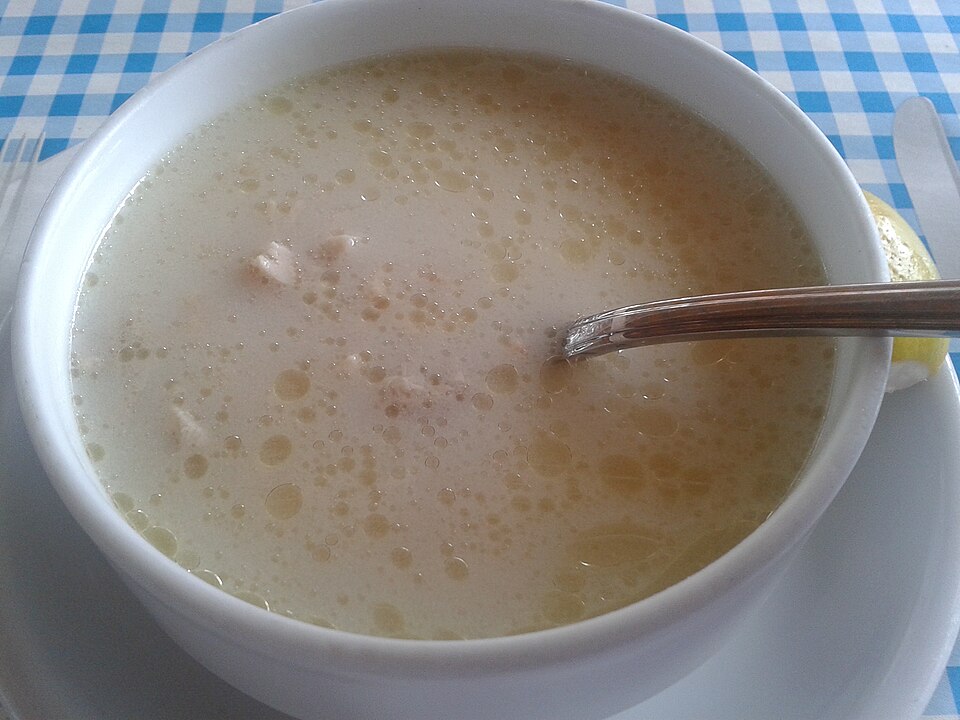
Patsas is a traditional Greek soup made from tripe, simmered for many hours until the broth turns rich and naturally gelatinous, then finished either with avgolemono, egg and lemon, or a sharp garlic and vinegar sauce called ladoxido. It is genuinely a late-night dish in Greece, long associated with tavernas that stay open into the small hours.
Tripe Soup
- Prep
- 40m
- Cook
- 4h
- Total
- 4h 40m
- Serves
- 6
- Level
- Advanced
Ingredients
For the soup
For avgolemono (optional finish)
For ladoxido (alternative finish)
Tick ingredients off as you go. Quantities rescale with the buttons above.
Method
- 01Rinse the tripe thoroughly under cold water.
- 02Blanch in a pot of boiling water for 10 minutes, then drain and discard the water.
- 03Return the tripe to the pot with fresh water to cover generously, along with the onion, bay leaves and peppercorns.
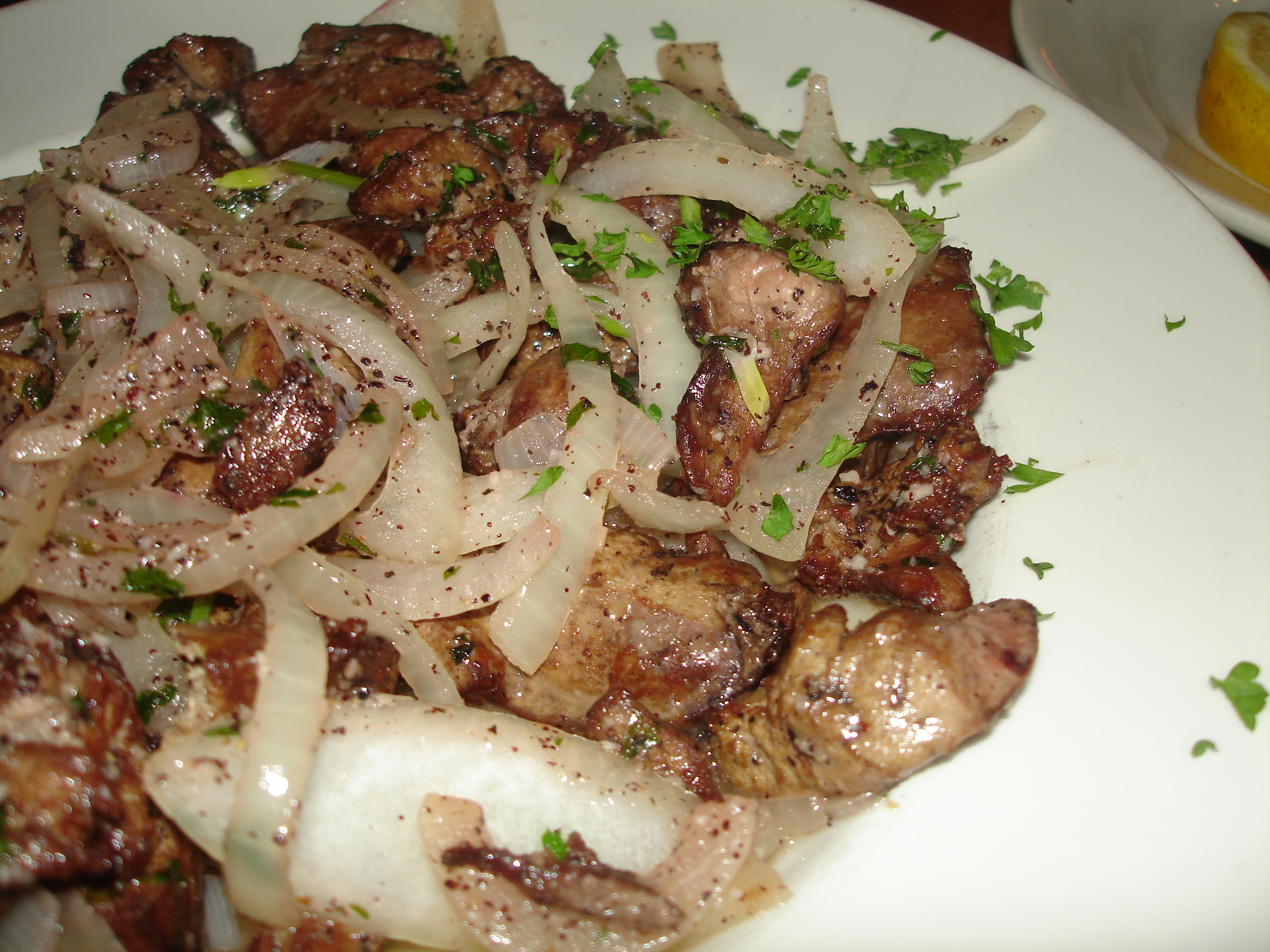
Offal and Liver - 04Bring to a simmer, cover, and cook gently for 3 to 4 hours, until the tripe is completely tender.Give it the full simmering time.Yiayia
- 05Season with salt. Remove the onion and bay leaves.
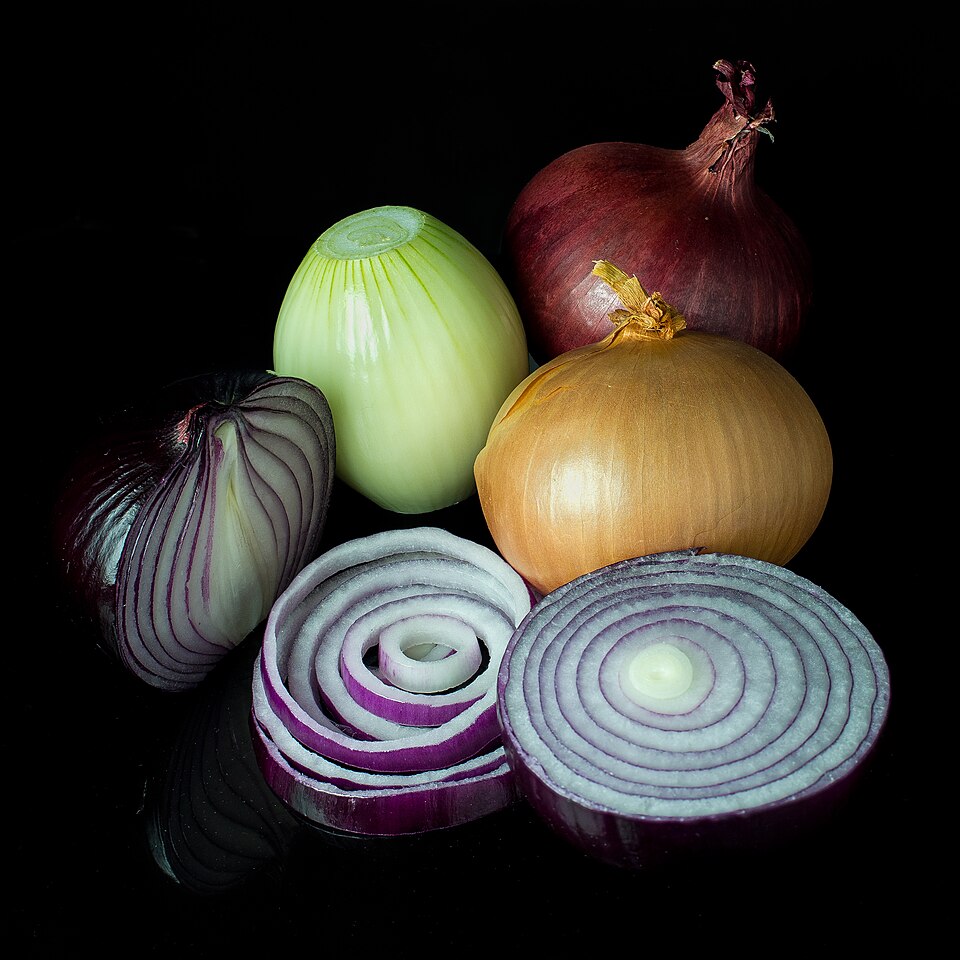
Onion - 06To finish with avgolemono, whisk the eggs and lemon juice together, temper with a ladleful of hot broth, then stir back into the pot off the heat until silky.
- 07Alternatively, whisk together the ladoxido ingredients and let each diner spoon it over their own bowl.
- 08Serve hot with good bread.
Nutrition, per 1 portion
- Calories
- 268
- Protein
- 34 g
- Carbs
- 3 g
- Fat
- 12 g
- Sat fat
- 4 g
- Fibre
- 0 g
These figures are calculated estimates based on the ingredients listed, not laboratory analysis. Actual values vary with brands, cuts and portion size.
Patsas holds a genuinely specific place in Greek food culture, a rich, long-simmered tripe soup strongly associated with late-night eating, traditionally the dish ordered at the handful of tavernas that stay open into the small hours, often after a long night out, when a rich, warming, gelatinous broth is exactly what is wanted.
The tripe needs a long, thorough simmer, several hours at minimum, both to become properly tender and to release the natural gelatine that gives the finished broth its characteristic body, considerably richer and more substantial than a standard clear soup.
It is traditionally finished one of two ways, either with avgolemono, whisked egg and lemon stirred through at the end for a silky, tangy broth, or with ladoxido, a sharp, punchy garlic and vinegar sauce spooned over individually, and either is entirely traditional depending on the household or taverna.
Key preparation steps
- Clean the tripe thoroughly and blanch before the main simmer.
- Simmer for several hours until properly tender.
- Finish with avgolemono or a garlic-vinegar sauce.
- Serve hot, with good bread.
Preparing the tripe
Rinse the tripe thoroughly, then blanch it in a first pot of boiling water for around ten minutes and discard that water, which removes much of the strong initial smell before the real, long simmer begins in fresh water.
The long simmer
Simmer the blanched tripe in fresh water with onion, bay leaf and peppercorns for a genuine three to four hours, until completely tender and the broth has taken on real body from the tripe's natural gelatine. This is not a dish to rush, and the long cooking time is exactly what makes patsas what it is.
Finishing the broth
For avgolemono, whisk egg with lemon juice, temper carefully with some of the hot broth, then stir back into the pot off the heat until silky. For ladoxido, whisk together good olive oil, red wine vinegar, crushed garlic and a little dried oregano, and let each diner spoon it over their own bowl to taste.
What matters in this dish
Do not skip the initial blanch
It removes much of tripe's strong initial smell before the long, main simmer, giving a considerably cleaner finished broth.
Give it the full simmering time
Tripe needs several genuine hours to become properly tender and to release the gelatine that gives patsas its characteristic rich body.
Choose your finish based on preference
Avgolemono gives a silkier, tangier broth; ladoxido gives a sharper, more pungent finish spooned on individually. Both are entirely traditional.
Questions people ask about Patsas
What is patsas?
A traditional Greek soup made from tripe, simmered for several hours until rich and naturally gelatinous, and long associated with late-night eating at tavernas that stay open into the small hours.
What is ladoxido?
A sharp sauce of olive oil, red wine vinegar, crushed garlic and oregano, one of the two traditional ways of finishing patsas, spooned over individually at the table rather than stirred through the whole pot.
Can patsas be made ahead?
Yes, the tripe itself can be simmered a day ahead and reheated, though any avgolemono finish should be added fresh just before serving, since it does not reheat well once added.