Greek Breads and Pies · Epirus · Baked · The Sunday Table
Hand-Rolled Courgette Pie (Kolokithopita Epirus)
Κολοκυθόπιτα Ηπείρου koh-loh-kee-THOH-pee-tah ee-PEE-roo · Kolokithopita Epirou
In short
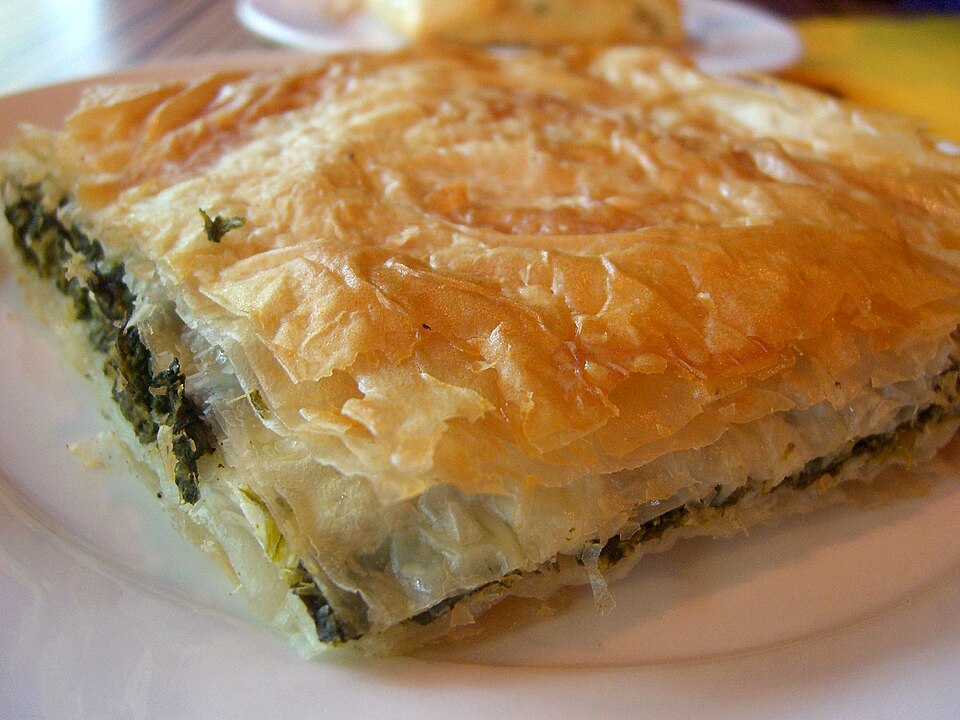
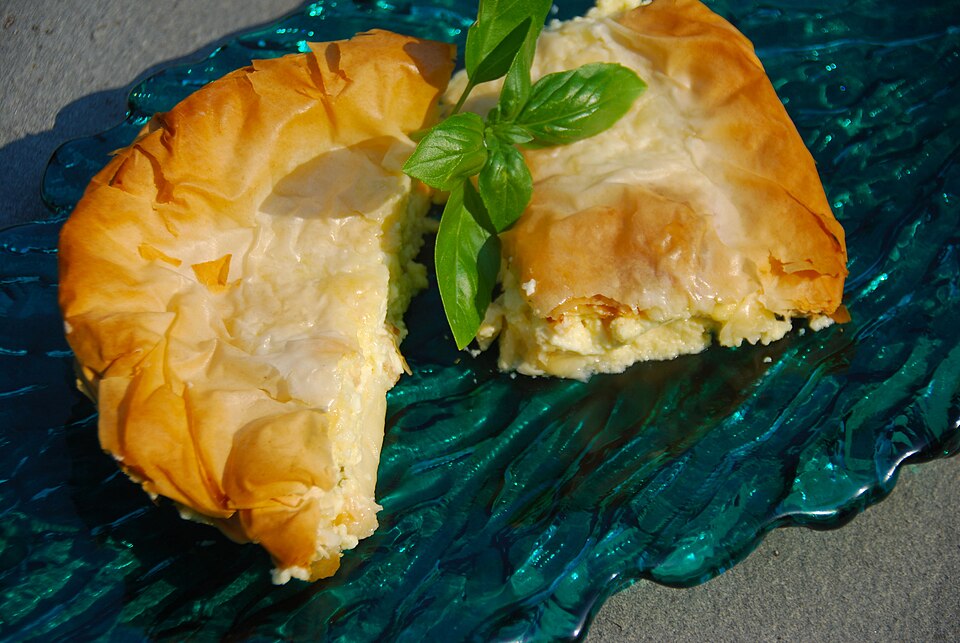
Kolokithopita is a Greek courgette pie, and the Epirus version is built on hand-rolled phyllo, thicker and more rustic than shop-bought sheets, layered with grated courgette, feta and herbs. Epirus is widely regarded as the region with the strongest hand-pie tradition in Greece.
Hand-Rolled Courgette Pie
- Prep
- 1h 10m
- Cook
- 45m
- Total
- 1h 55m
- Serves
- 8
- Level
- Advanced
Ingredients
For the filling
For the pie
Tick ingredients off as you go. Quantities rescale with the buttons above.
Method
- 01Toss the grated courgette with the salt in a colander and leave to drain for 30 minutes. Squeeze thoroughly in a clean tea towel until genuinely dry.
- 02Mix the drained courgette with the feta, chopped herbs, eggs and a good grinding of black pepper.
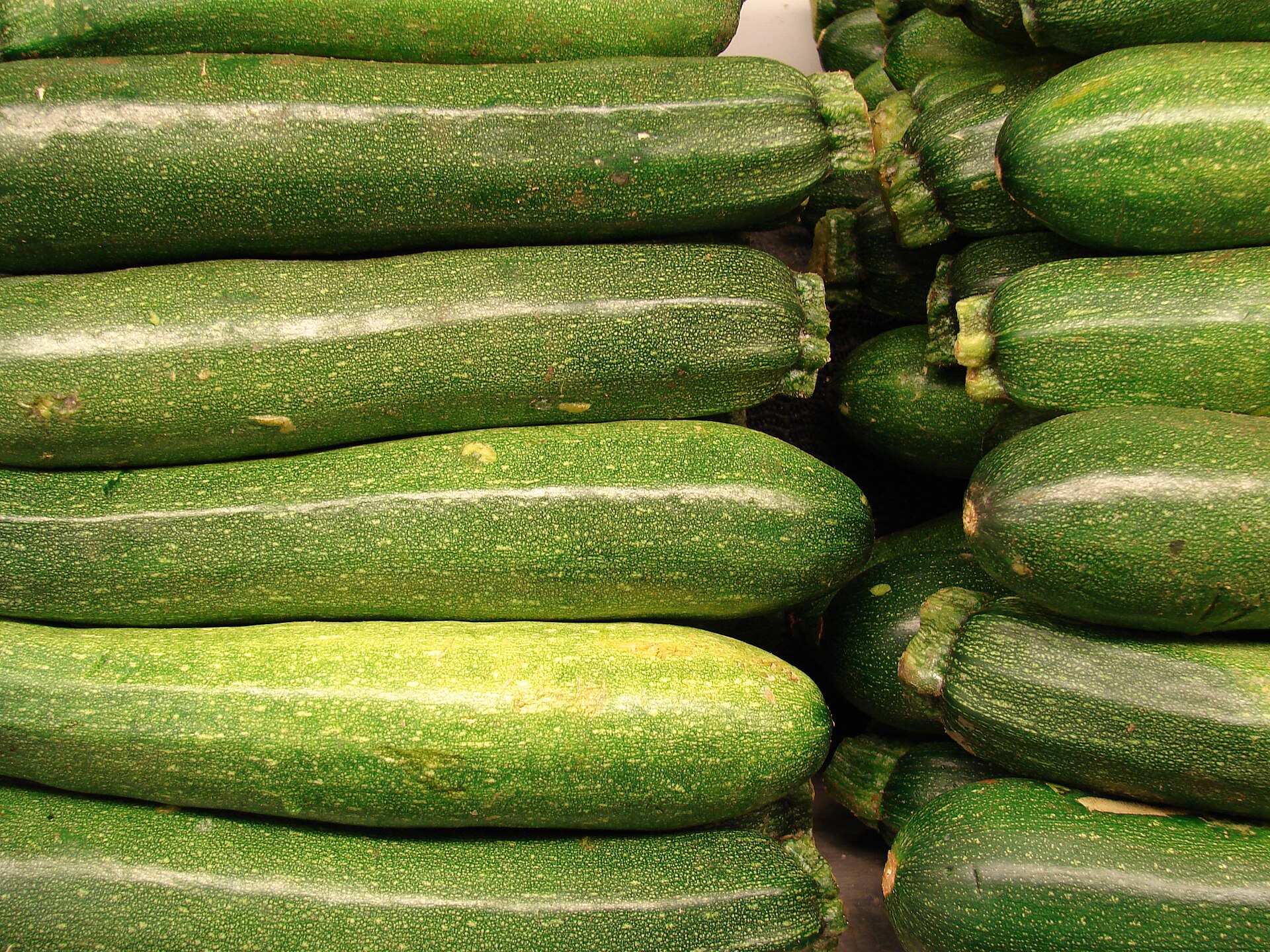
Courgette - 03Heat the oven to 190C fan 170C. Brush a 30 cm round or rectangular baking tin generously with olive oil.
- 04Layer half the phyllo sheets into the tin, brushing each with olive oil, letting the edges overhang.
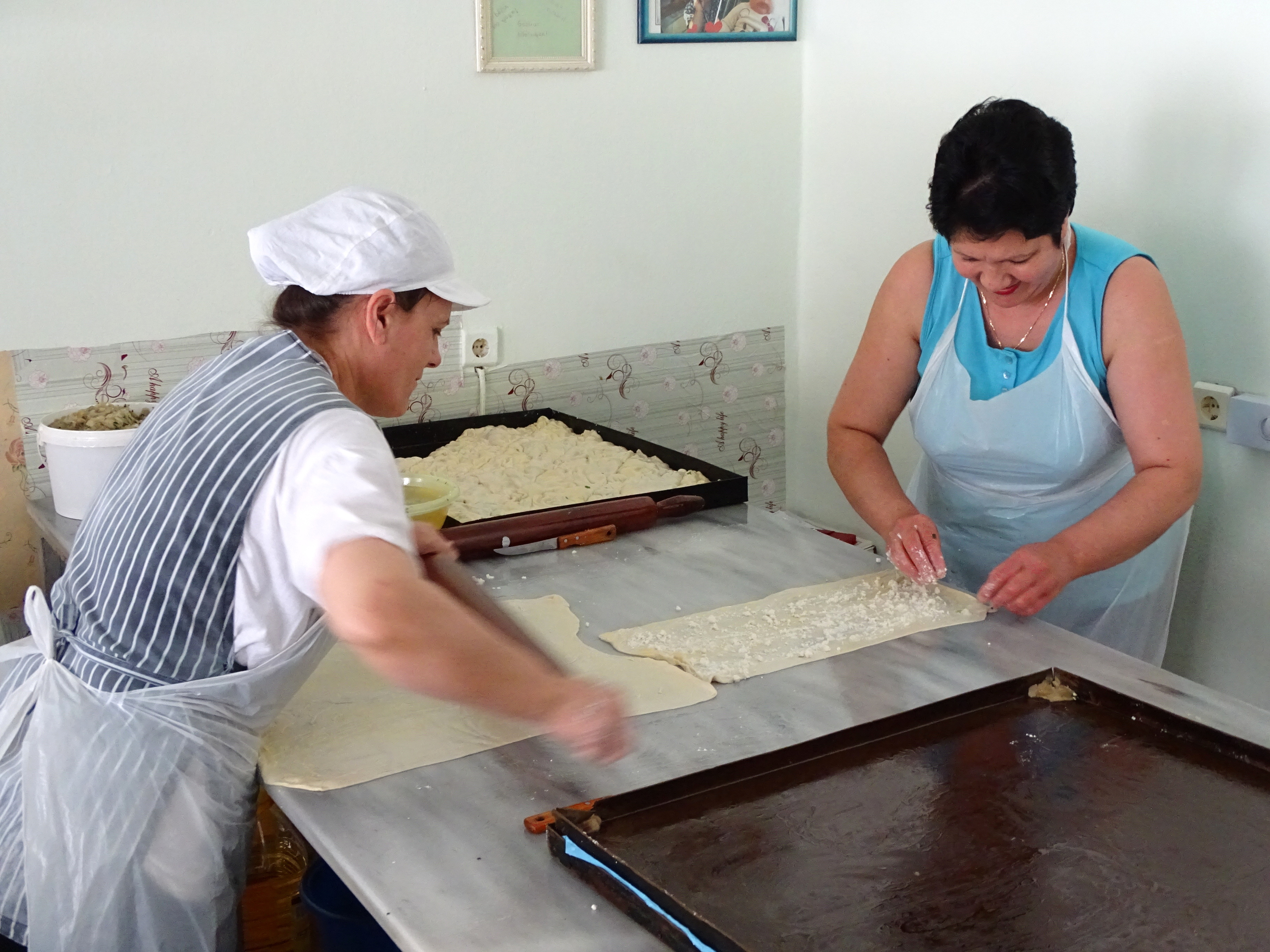
Phyllo - 05Spread the courgette filling evenly over the phyllo base.
- 06Top with the remaining phyllo sheets, brushing each with oil, and fold in the overhanging edges to seal.
- 07Score the top into portions with a sharp knife, cutting through the top layers only, and brush generously with any remaining oil.Score before baking, not after.Yiayia
- 08Bake for 40 to 45 minutes, until deeply golden and firm to the touch.
- 09Rest for at least 15 minutes before cutting along the scored lines and serving.
Nutrition, per 1 slice
- Calories
- 312
- Protein
- 10 g
- Carbs
- 26 g
- Fat
- 19 g
- Sat fat
- 7 g
- Fibre
- 2 g
These figures are calculated estimates based on the ingredients listed, not laboratory analysis. Actual values vary with brands, cuts and portion size.
Epirus, the mountainous region in Greece's northwest, has a pie tradition unmatched anywhere else in the country, built on hand-rolled phyllo passed down through generations of women who could stretch a piece of dough thin enough to read a newspaper through it. Kolokithopita, the courgette version, is one of the most common savoury pies to come out of this tradition.
Hand-rolled Epirus phyllo differs meaningfully from the paper-thin, machine-made sheets sold in supermarkets: it is thicker, slightly more rustic, and rolled in far fewer, larger sheets rather than dozens of delicate ones, giving a heartier, more substantial pie once baked.
This is a genuine project if you roll the phyllo yourself, and a considerably faster one if you use good shop-bought sheets instead, which is a completely reasonable substitution for a home cook without years of rolling practice behind them.
Key preparation steps
- Grate and salt courgette, then squeeze thoroughly dry.
- Make or use phyllo dough, rolled thicker if doing it by hand.
- Layer courgette filling between sheets of phyllo, brushing with oil.
- Score the top and bake until deeply golden.
The filling
Grate a large quantity of courgette, salt it, and leave to drain in a colander for at least thirty minutes, then squeeze thoroughly in a clean tea towel until genuinely dry. This step matters more here than in almost any other pie, since courgette carries far more water than spinach and an under-drained filling will make the whole pie soggy.
Mix the drained courgette with crumbled feta, chopped dill or mint, and beaten egg to bind, seasoning with black pepper rather than much salt, since the feta already carries plenty.
Hand-rolled phyllo, or shop-bought
Traditional Epirus phyllo is made from flour, water, a little oil and salt, rolled out by hand into large, thick rounds, using far fewer sheets than a commercial pie, often just two or three per pie rather than a dozen. It takes real practice to roll evenly and thin enough, and is a genuine skill passed down rather than something to expect to master on a first attempt.
Good quality shop-bought phyllo, using slightly more sheets layered together to approximate the thickness of a hand-rolled sheet, is an entirely reasonable substitute and gives a very good pie without requiring that particular skill.
Assembling and baking
Brush a baking tin generously with oil, layer in the base sheets, brushing each with oil as you go, spread the courgette filling evenly, then top with the remaining sheets, again brushed with oil. Score the top into portions before baking, which stops the pie tearing raggedly once it comes out of the oven.
Bake in a hot oven until the top is deeply golden and the pie feels firm rather than wobbly when gently pressed, then rest for at least fifteen minutes before cutting along the scored lines, which lets the filling set enough to hold a clean slice.
What matters in this dish
Drain the courgette properly
This filling carries more water than a spinach pie. Salting and squeezing thoroughly is what keeps the finished pie from turning soggy.
Score before baking, not after
Cutting through the top layers before it goes in the oven gives a clean portioned finish rather than a raggedly torn one.
Shop-bought phyllo is a fair substitute
Hand-rolling Epirus-style phyllo takes real practice. Layering a few extra shop-bought sheets gets you a very good result without it.
Questions people ask about Kolokithopita Epirou
What makes Epirus phyllo different from shop-bought sheets?
It is hand-rolled, thicker and used in far fewer, larger sheets per pie, giving a heartier, more rustic result than the many paper-thin machine-made sheets sold commercially.
Can you make kolokithopita with courgette flowers as well?
Yes, some versions fold chopped courgette flowers through the filling alongside the grated flesh, adding a delicate extra flavour, though it is not essential.
How do you stop the pie going soggy?
Thoroughly salting and squeezing the grated courgette dry before mixing the filling is the single most important step. Skipping it is the most common cause of a soggy pie.