Greek Dips and Sauces · The Mainland · No-Cook · Mezedes and Ouzo
Greek Soft Fresh Cheese Spread (Katiki Domokou)
Κατίκι Δομοκού kah-TEE-kee thoh-moh-KOO · Katiki Domokou
In short
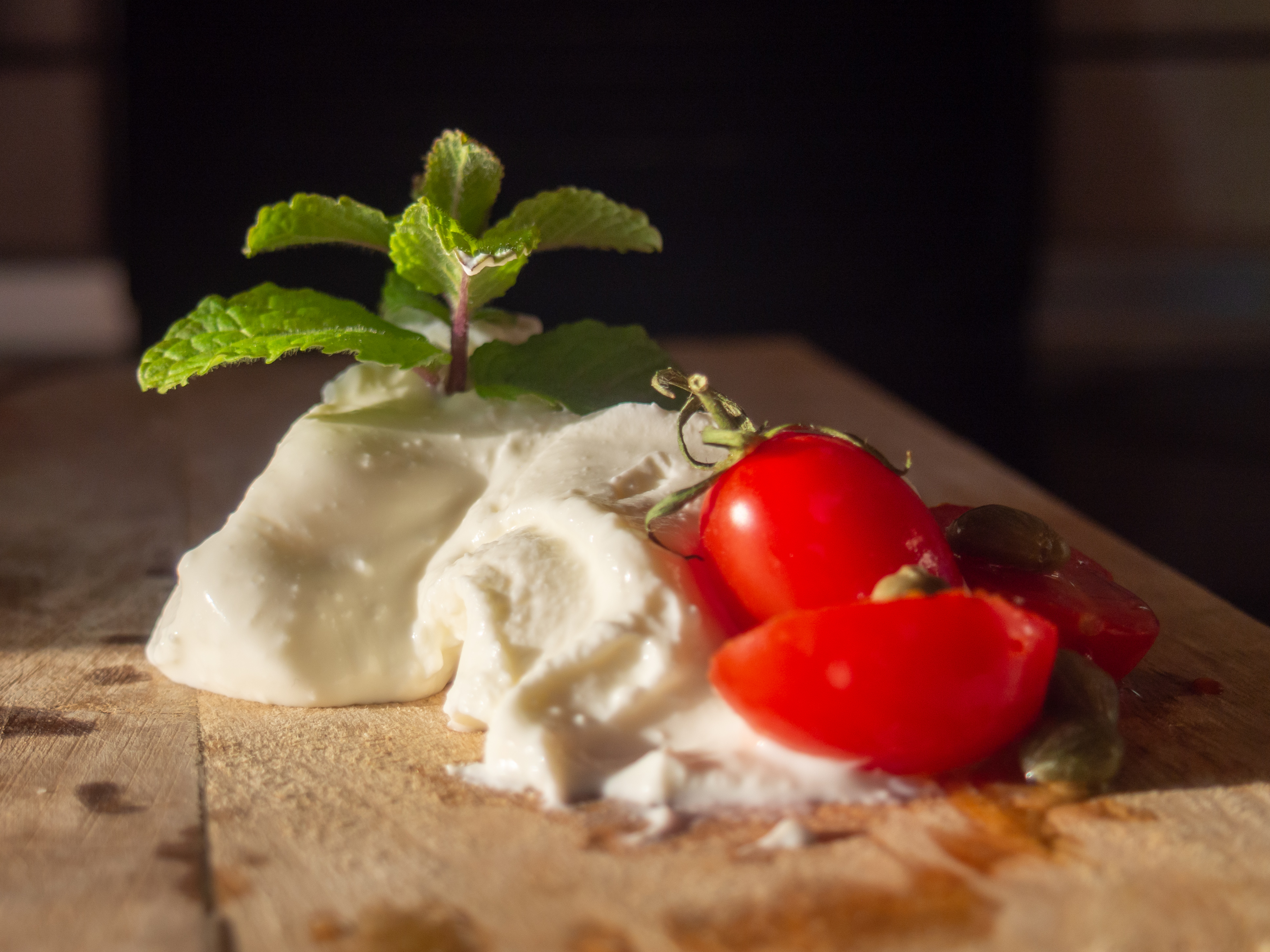
Katiki Domokou is a soft, tangy, spreadable fresh cheese from Domokos in central Greece, made from a blend of cow and goat or sheep milk, whipped to a smooth, almost mousse-like texture and served simply with a drizzle of olive oil and a scattering of black pepper. It carries protected designation of origin status, genuinely tying it to its specific region.
Soft Fresh Cheese Spread
- Prep
- 15m
- Cook
- None
- Total
- 15m
- Serves
- 6
- Level
- Beginner
Ingredients
Ingredients
Tick ingredients off as you go. Quantities rescale with the buttons above.
Method
- 01Whisk the yogurt and soft cheese together in a bowl until completely smooth, with no lumps.
- 02Season with salt, tasting and adjusting as needed.

Salt - 03Cover and chill for at least 1 hour.
- 04Spread onto a plate, making a well in the centre.
- 05Fill the well with a generous amount of olive oil and finish with coarsely ground black pepper.
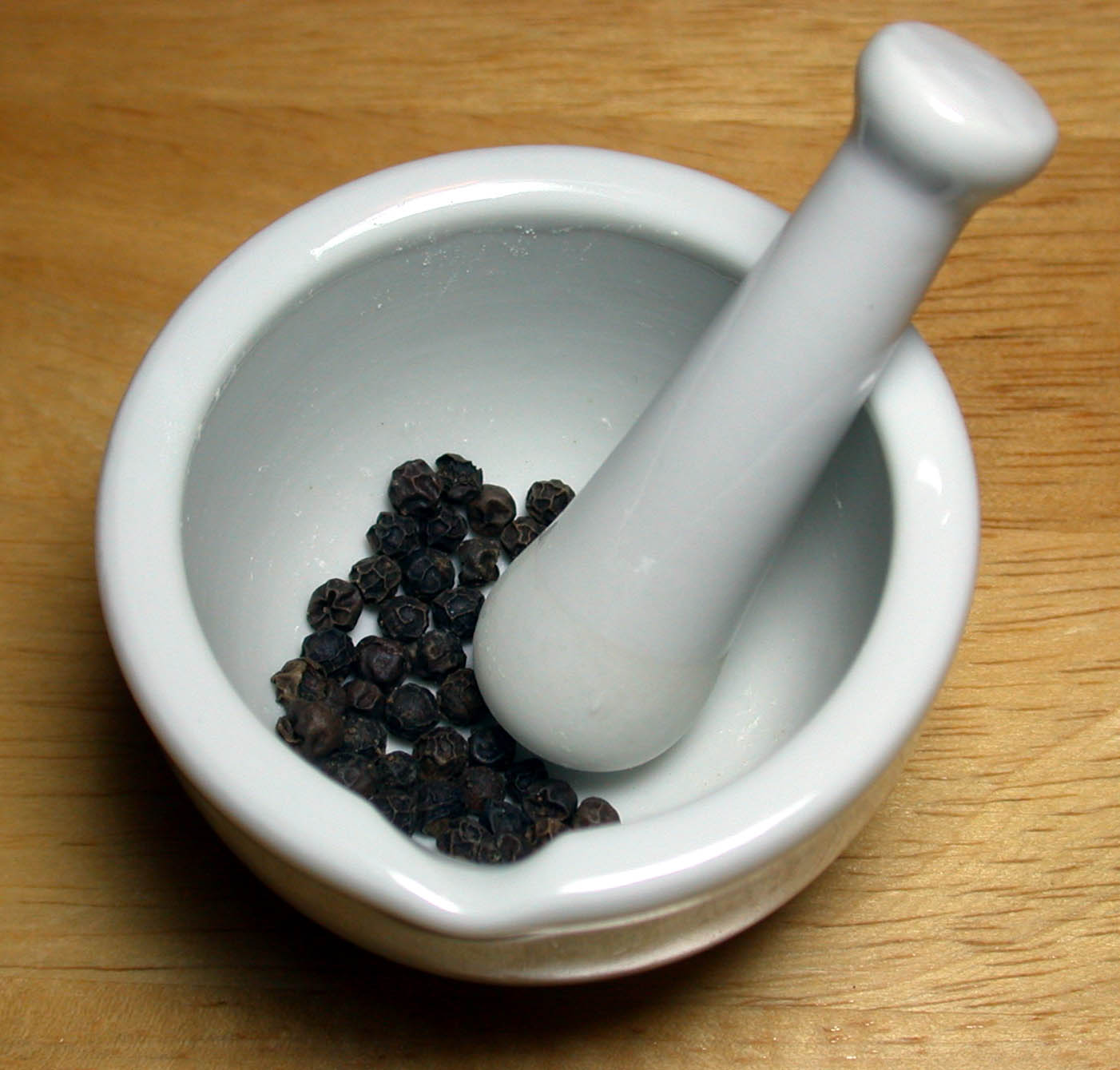
Black Pepper Serve it simply.Yiayia - 06Serve with bread for dipping.
Nutrition, per 2 tbsp
- Calories
- 98
- Protein
- 5 g
- Carbs
- 2 g
- Fat
- 8 g
- Sat fat
- 5 g
- Fibre
- 0 g
These figures are calculated estimates based on the ingredients listed, not laboratory analysis. Actual values vary with brands, cuts and portion size.
Katiki Domokou takes its name directly from Domokos, a town in central Greece, and it carries protected designation of origin status there, meaning genuine katiki must actually come from that specific area, made in the traditional way from a blend of cow milk with goat or sheep milk.
The texture is what sets it apart from most other fresh Greek cheeses, whipped until properly smooth and almost mousse-like, closer to a thick, tangy cream than a curd-based cheese like feta, and this smoothness is exactly what makes it such a good spreadable meze.
A home version made from good quality strained yogurt and a little soft cheese gets remarkably close to the real thing's tang and texture, even without access to genuine Domokos-region milk, and it needs nothing beyond a good whisking and a rest in the fridge.
Key preparation steps
- Whip strained yogurt and soft cheese together until smooth.
- Season with salt.
- Chill to firm slightly.
- Serve with olive oil and black pepper.
The base
A home approximation starts with thick, strained Greek yogurt whipped together with a soft, mild fresh cheese, such as a mild soft goat cheese or a mascarpone-like cheese, until completely smooth with no lumps at all, closer in texture to a whipped cream than a chunky dip.
Seasoning and resting
Season with salt, tasting as you go, since the tang should come primarily from the yogurt and cheese themselves rather than heavy seasoning. Chill for at least an hour, which lets the mixture firm slightly and the flavours settle.
Serving simply
Katiki Domokou is traditionally served very simply, spread onto a plate, a generous well made in the centre, and filled with good olive oil, finished with a scattering of coarsely ground black pepper and nothing else, letting the cheese itself be the whole point.
What matters in this dish
Use full-fat, thick strained yogurt
A thinner or lower-fat yogurt gives a looser, less satisfying result. The whole point of katiki is its rich, smooth, spoonable texture.
Whip until genuinely smooth
The characteristic mousse-like texture is what sets katiki apart from chunkier fresh cheeses, so do not stop whisking too early.
Serve it simply
Good olive oil and black pepper are traditionally all it needs. Resist the urge to add extra herbs or garlic, which work against the cheese's own delicate tang.
Questions people ask about Katiki Domokou
What is katiki Domokou?
A soft, tangy, spreadable fresh cheese from Domokos in central Greece, traditionally made from a blend of cow milk with goat or sheep milk, whipped to a smooth, almost mousse-like texture, and carrying protected designation of origin status.
Can you make katiki Domokou without the exact regional milk?
A home version made from thick strained Greek yogurt whipped with a soft, mild cheese gets remarkably close in tang and texture, even without genuine Domokos-region milk.
How is katiki Domokou usually served?
Very simply, spread on a plate with a well of olive oil in the centre and a scattering of black pepper, served alongside bread for dipping.