Greek Salads · Cyprus · No-Cook · The Summer Table
Cypriot Purslane Salad (Glystrida Salata)
Σαλάτα με γλυστρίδα glee-STREE-thah sah-LAH-tah · Glystrida Salata
In short
Glystrida salata is a Cypriot summer salad of purslane, the juicy, slightly sour green that grows wild in gardens and at the edges of fields, tossed with ripe tomato and cucumber and dressed with olive oil, red wine vinegar and salt. Purslane is called glystrida in Cyprus and glistrida or andrakla in Greece. The simple version has nothing else in it.
Cypriot Purslane Salad
- Prep
- 15m
- Cook
- None
- Total
- 15m
- Serves
- 4
- Level
- Beginner
Ingredients
For the salad
For the dressing
Tick ingredients off as you go. Quantities rescale with the buttons above.
Method
- 01Wash the purslane in several changes of cold water and drain it well. Pick off the leaves and tender tips and discard the tough stems.Pick young plants.Yiayia
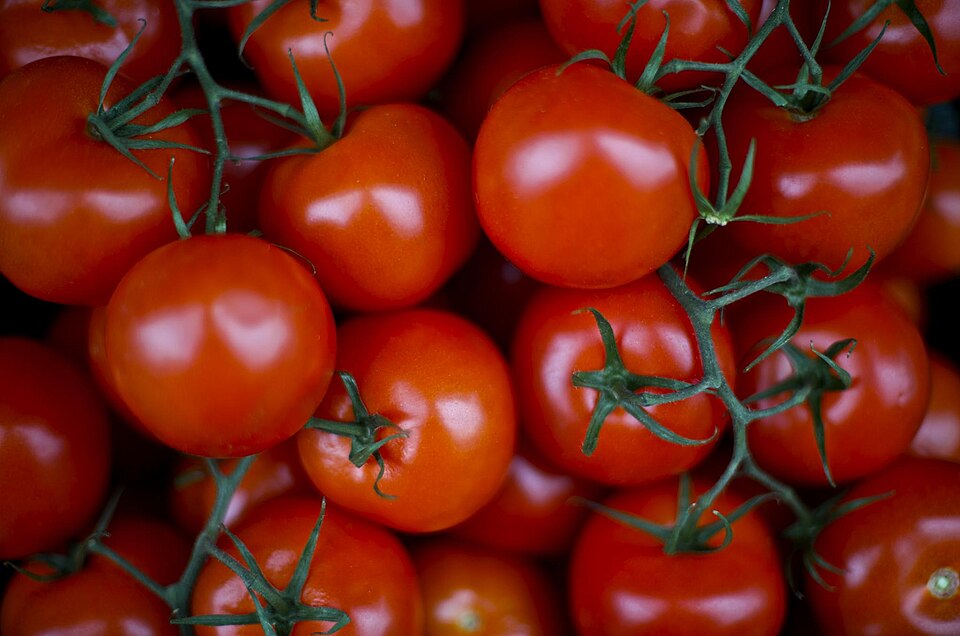
- 02Cut the tomatoes into chunks and slice the cucumber, peeled or not as you like.
Tomato - 03Put the purslane, tomato and cucumber in a wide bowl.
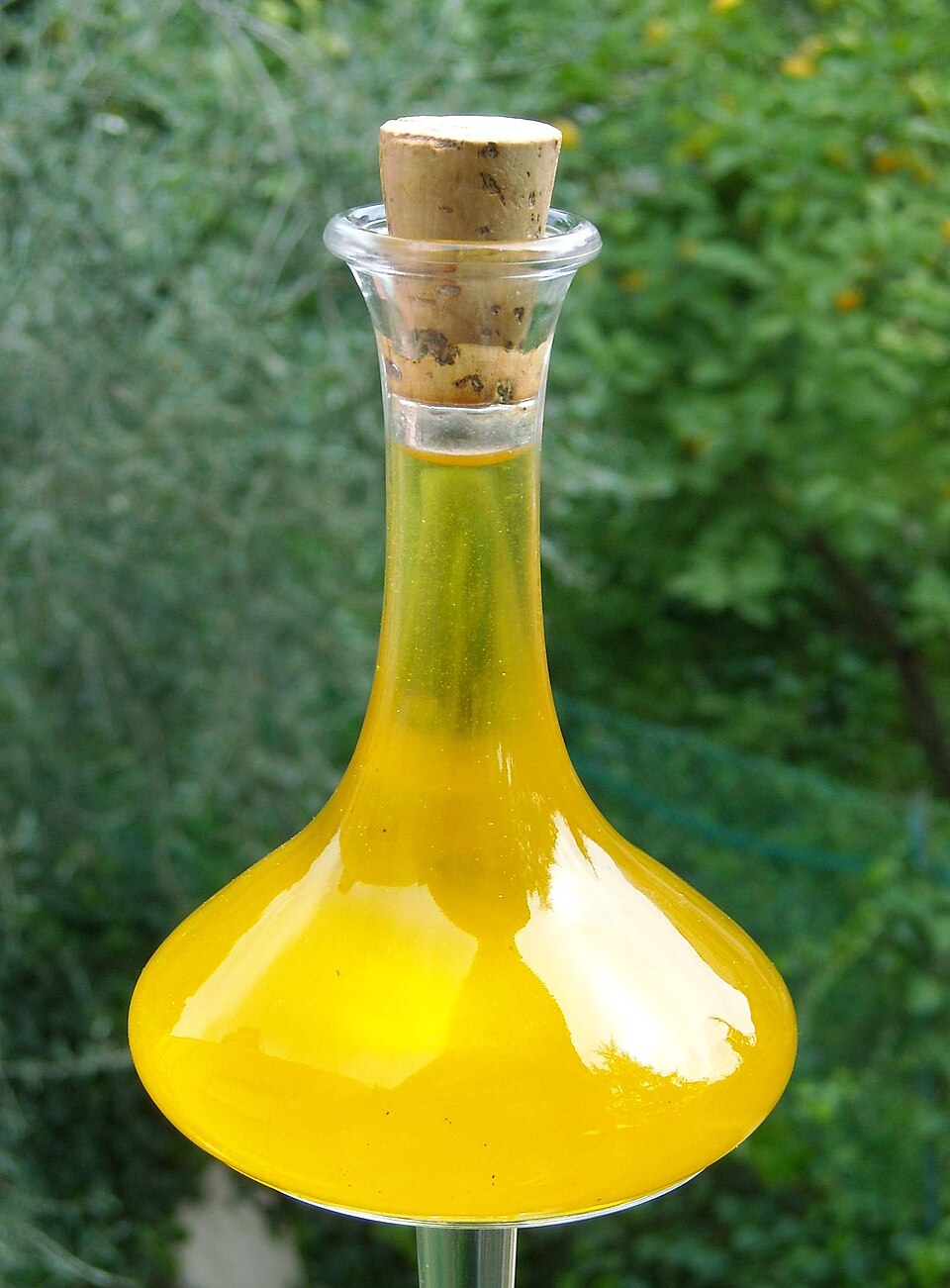
- 04Whisk the olive oil, vinegar and salt together.
Olive Oil - 05Pour the dressing over just before serving and toss gently.
Nutrition, per 1 portion
- Calories
- 156
- Protein
- 2 g
- Carbs
- 8 g
- Fat
- 14 g
- Sat fat
- 2 g
- Fibre
- 1 g
These figures are calculated estimates based on the ingredients listed, not laboratory analysis. Actual values vary with brands, cuts and portion size.
Purslane is the low, fleshy weed that comes up between paving stones and along the edges of vegetable patches in summer. In the US most gardeners pull it out, but in Cyprus it goes in the salad bowl. The leaves and tender stems are crisp, juicy and slightly sour, and they hold a dressing better than lettuce does.
The salad most Cypriots grew up with is about as simple as a salad gets. It is purslane, ripe tomato and cucumber, with olive oil, red wine vinegar and salt, and there is no onion, olives or cheese in it. It goes on the table next to grilled meat or a plate of beans in July and August.
Fuller versions exist. Some Cypriot cooks add boiled potato, capers and a little beetroot, which makes it closer to a main salad, and in Crete purslane is often mixed with strained yogurt and garlic. Both are described below, but try the plain one first.
Key preparation steps
- Wash the purslane well and keep only the leaves and tender tips.
- Cut the tomatoes into chunks and slice the cucumber.
- Whisk olive oil, red wine vinegar and salt.
- Dress just before serving.
Finding and cleaning purslane
Purslane is in season from late spring to early autumn. Look for it at farmers markets, at Greek and Middle Eastern grocers, and at Mexican grocers, where it is sold as verdolagas. If it grows in your own garden, pick it only from ground that has not been sprayed.
Wash it in several changes of cold water, because the low stems trap grit. Pick off the leaves and the soft top few centimetres of each stem, and throw away the thick, woody lower stems.
The dressing
Use a little more vinegar than you would for a lettuce salad, because the tomatoes need the sharpness. About one part red wine vinegar to three parts olive oil is right, with enough salt to bring out the tomatoes. Dress it just before serving. Salt draws water out of the tomato and cucumber, and the bowl gets soupy if it sits.
Two fuller versions
For a version that works as a light meal, add three potatoes boiled in their skins, peeled and cut small while still warm, a spoonful of capers, half a boiled beetroot and a few chopped gherkins. Dress it the same way, with a pinch of dried oregano.
For the yogurt version, mix the purslane with thick strained yogurt, a crushed clove of garlic, olive oil and a splash of vinegar, and leave it in the fridge for half an hour. It ends up closer to a dip than a salad.
What matters in this dish
Pick young plants
Young purslane has tender stems that can go into the salad whole. Older plants grow thick, stringy stems that are better left out.
Dry it well
Water left on the leaves dilutes the dressing. Spin the purslane or pat it dry in a towel after washing.
Use summer tomatoes
With so few ingredients the tomatoes carry the salad. Out of season, halved cherry tomatoes are a better choice than large pale ones.
Questions people ask about Glystrida Salata
What does purslane taste like?
Fresh and slightly sour, a little like watercress without the pepper. The leaves are thick and juicy and stay crisp in a dressing.
What is purslane called in Greek?
Glystrida (γλυστρίδα) in Cyprus, and glistrida (γλιστρίδα) or andrakla (αντράκλα) in Greece. Glistrida comes from the Greek word for slippery.
Is it safe to eat purslane from the garden?
Yes, if the ground has not been treated with weedkiller and you are sure of what you picked. Spurge can look similar when small, but it has thin, wiry stems and a milky sap when broken. Purslane has thick, fleshy stems and clear juice.