Greek Main Courses · The Mainland · Baked · The Sunday Table
Greek Lamb and Cheese Baked in Parcels (Exohiko)
Εξοχικό eh-xoh-hee-KOH · Exohiko
In short
Exohiko, meaning countryside style, is lamb or pork, cheese and vegetables sealed inside a parcel of phyllo or parchment paper and baked, so the meat steams gently in its own juices and the melting cheese rather than being exposed to direct oven heat. Each portion opens at the table as its own self-contained meal.
Lamb and Cheese Baked in Parcels
- Prep
- 40m
- Cook
- 1h
- Total
- 1h 40m
- Serves
- 4
- Level
- Intermediate
Ingredients
Ingredients
Tick ingredients off as you go. Quantities rescale with the buttons above.
Method
- 01Whisk the olive oil, lemon juice, garlic and oregano together. Toss the meat in the marinade and season well, marinating for at least 30 minutes.
- 02Heat the oven to 180C fan 160C.
- 03Lay out a double layer of phyllo, brushed with oil, or a large sheet of parchment, for each of 4 parcels.
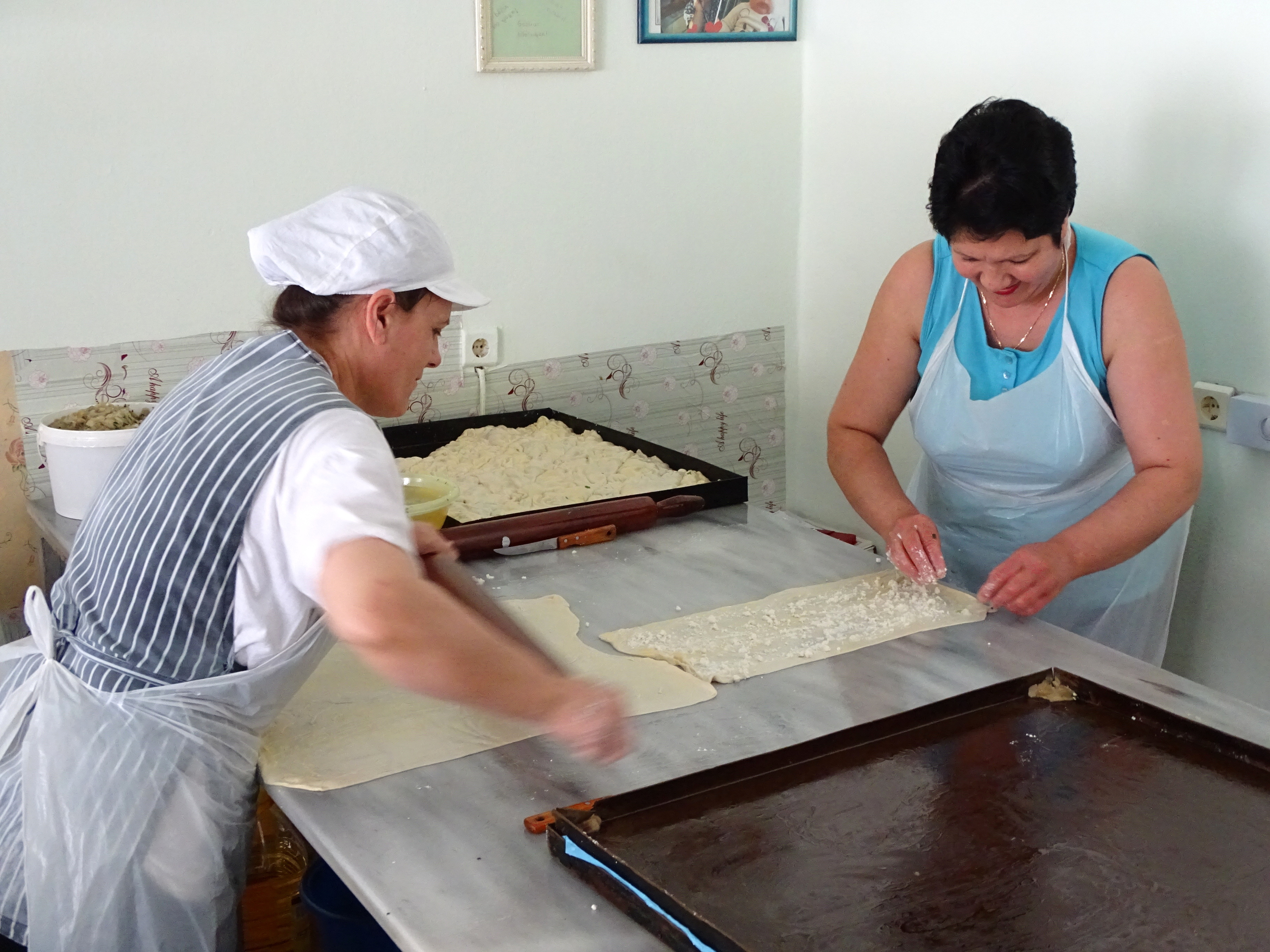
Phyllo - 04Divide the marinated meat, sliced peppers, onion and tomato among the 4 parcels, piling in the centre of each.
- 05Top each pile generously with the sliced or crumbled cheese.
- 06Wrap and fold the phyllo or parchment tightly around each filling, sealing all edges so no steam can escape.
- 07Place the sealed parcels on a baking tray and bake for 55 to 65 minutes, until the meat is tender.
- 08Serve each parcel unopened, letting diners cut into their own at the table.Serve unopened.Yiayia
Nutrition, per 1 parcel
- Calories
- 586
- Protein
- 36 g
- Carbs
- 22 g
- Fat
- 40 g
- Sat fat
- 16 g
- Fibre
- 2 g
These figures are calculated estimates based on the ingredients listed, not laboratory analysis. Actual values vary with brands, cuts and portion size.
Exohiko shares its sealed-parcel logic with kleftiko, both cooking meat gently inside a closed wrapping so it steams in its own juices rather than roasting exposed in a dry oven, but where kleftiko is traditionally sealed in foil or a covered clay pot, exohiko is wrapped in phyllo or parchment, and it always includes a generous amount of melting cheese folded in alongside the meat and vegetables.
The name, meaning countryside or rural style, points to its origins as food built around an open fire in the hills, where sealing meat in a parcel and burying it in embers was a practical way to cook slowly without close tending, though a modern oven does the same job just as well.
Each parcel is an individual, self-contained meal, and there is something genuinely satisfying about handing each diner their own sealed package to open at the table, releasing a burst of steam and the smell of melted cheese and herbs.
Key preparation steps
- Marinate lamb or pork chunks briefly in lemon and oregano.
- Layer with vegetables and a generous amount of cheese on phyllo or parchment.
- Wrap into sealed individual parcels.
- Bake until the meat is tender and the cheese has melted.
The meat and marinade
Lamb shoulder or leg, cut into bite-sized chunks, marinated briefly in olive oil, lemon juice, garlic and oregano, following the same flavours found across most Greek roasted and grilled lamb. Pork is an equally traditional and slightly milder alternative.
Building each parcel
Lay out a double or triple layer of phyllo, brushed with oil, or a large sheet of parchment paper, and pile the marinated meat in the centre with sliced peppers, onion, tomato and a generous amount of feta or kefalotyri, which will melt into the meat's juices as it bakes and thickens into a rich sauce holding everything together.
Sealing and baking
Wrap and fold the phyllo or parchment tightly around the filling, sealing all the edges so no steam escapes during baking, since that trapped steam is exactly what gently cooks the meat through and keeps it moist. Bake on a tray until the meat is tender, around an hour, and serve each parcel unopened, letting diners cut into their own at the table.
What matters in this dish
Seal the parcels tightly
This traps the steam that gently cooks the meat through and keeps it moist, exactly the point of the whole method.
Do not skimp on the cheese
It melts into the meat's juices as it bakes, becoming a rich sauce that holds the whole filling together.
Serve unopened
Letting each diner open their own sealed parcel at the table is part of the appeal, releasing steam and aroma right as they eat.
Questions people ask about Exohiko
What does exohiko mean?
Countryside or rural style, reflecting its origins as food cooked over an open fire in the hills, sealed in a parcel and left to cook slowly without close tending.
How is exohiko different from kleftiko?
Both seal meat in a closed wrapping to steam gently in its own juices, but kleftiko is traditionally sealed in foil or a covered clay pot, while exohiko is wrapped in phyllo or parchment and always includes a generous amount of melting cheese.
Can you use parchment instead of phyllo?
Yes, parchment paper works just as well for sealing and steaming the parcel, though phyllo gives an edible, crisp wrapper as an added bonus once baked.