Greek Main Courses · Cyprus · Greek Stews and Ladera · The Sunday Table
Cypriot Pork in Red Wine and Coriander (Afelia)
Αφέλια ah-FEH-lee-ah · Afelia
In short
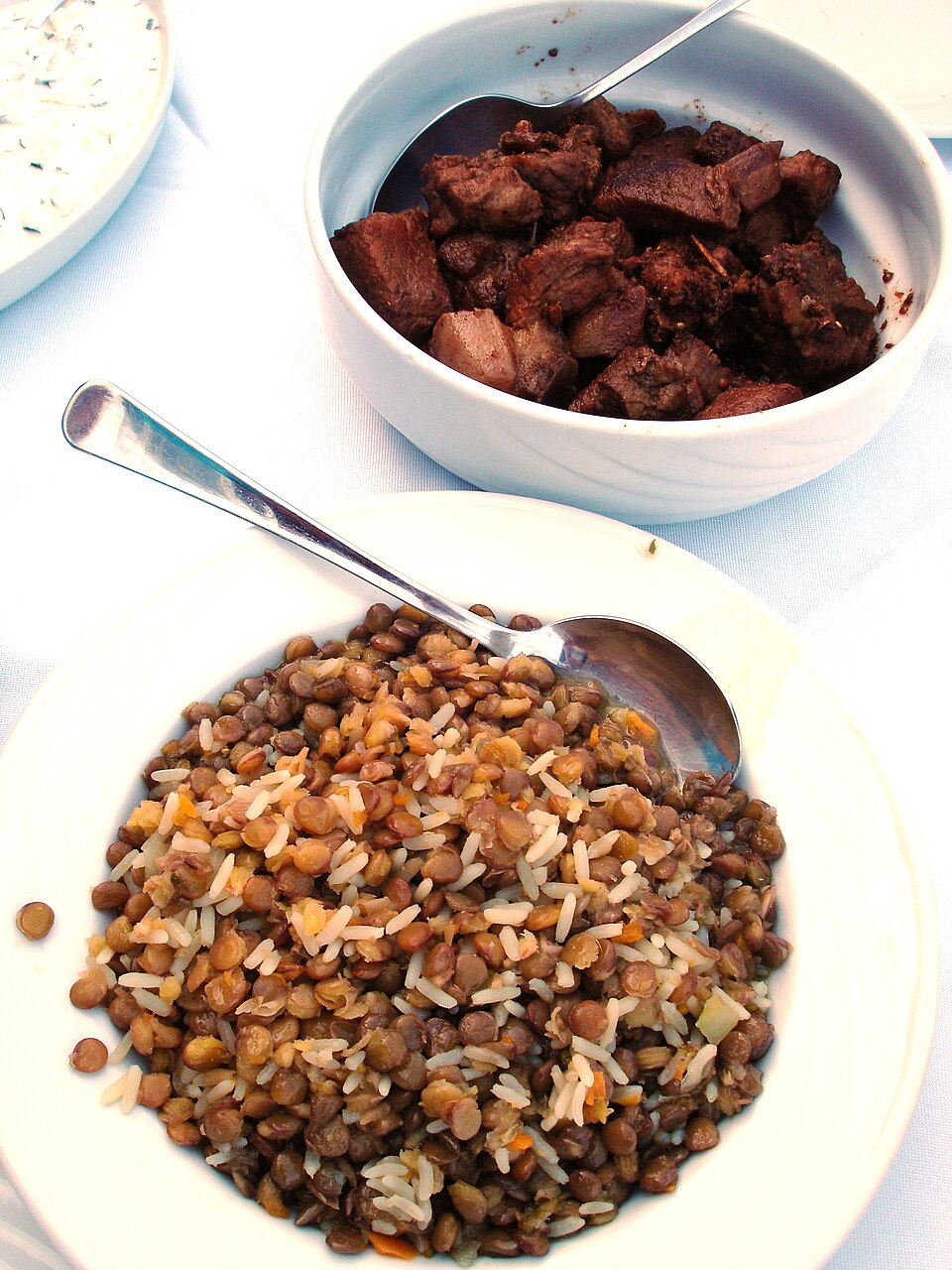
Afelia is a Cypriot dish of pork pieces marinated in red wine and crushed coriander seed, then browned and slowly braised until the wine reduces to a thick, dark, sticky sauce. Coriander seed, not fresh coriander leaf, is what gives it its distinctive flavour.
Cypriot Pork in Red Wine and Coriander
- Prep
- 15m
- Cook
- 1h 15m
- Total
- 1h 30m
- Serves
- 4
- Level
- Beginner
Ingredients
Ingredients
Tick ingredients off as you go. Quantities rescale with the buttons above.
Method
- 01Put the pork in a bowl with the red wine and crushed coriander seed. Cover and marinate in the fridge for at least 2 hours, or overnight for a deeper flavour.
- 02Lift the pork out with a slotted spoon, reserving the marinade, and pat the pieces dry.
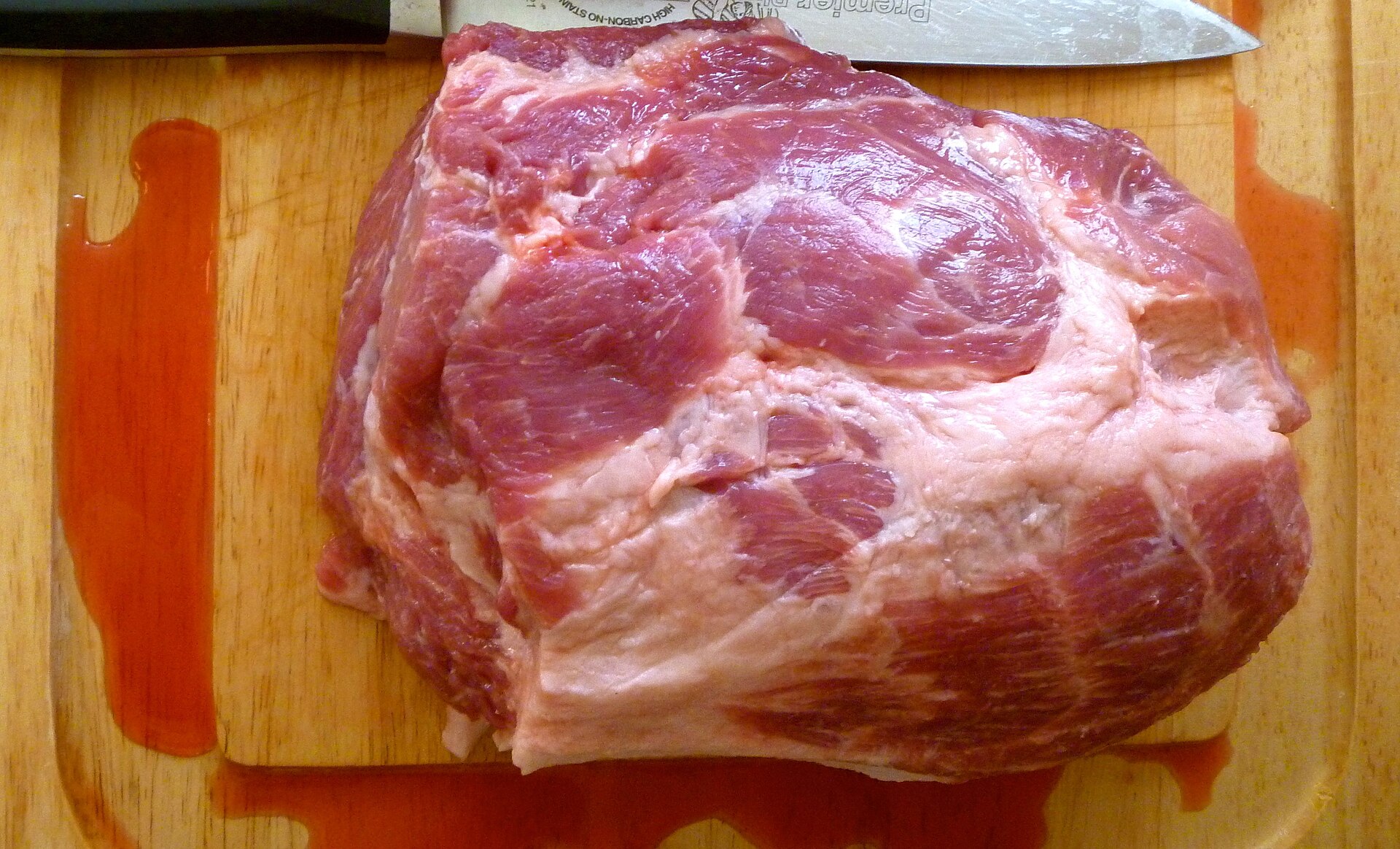
Pork - 03Heat the olive oil in a heavy pan or casserole over a high heat. Brown the pork hard in batches, without crowding the pan, until well coloured on all sides. Remove and set aside.
- 04Pour the reserved marinade into the same pan along with the bay leaf. Bring to the boil and let it bubble hard, uncovered, for about 10 minutes, until reduced by at least half.
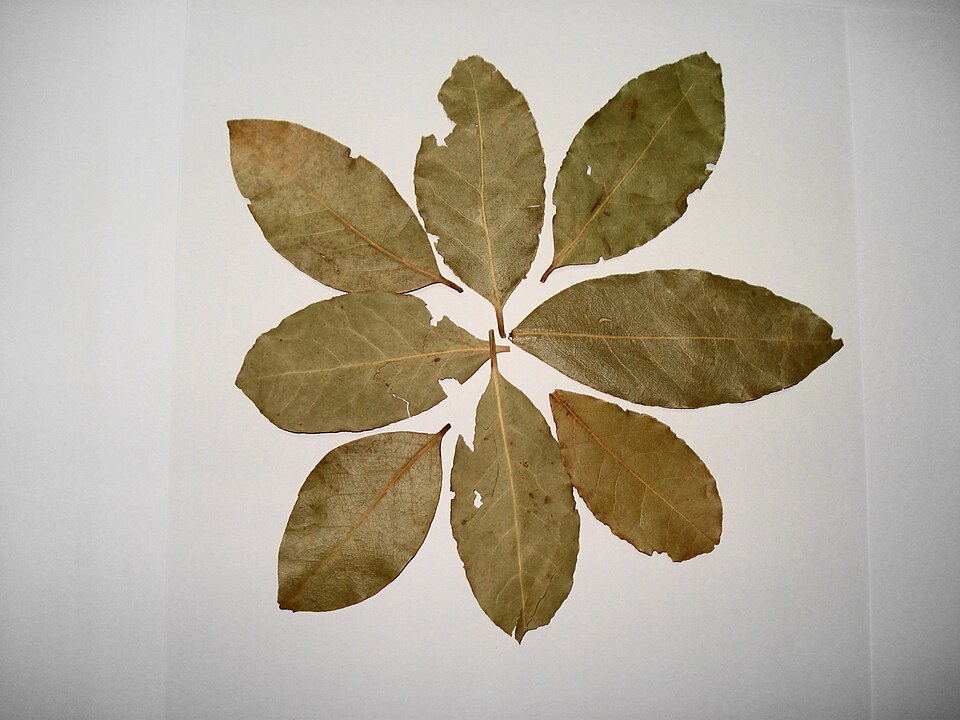
Bay Leaf - 05Return the pork to the pan. Season with salt and pepper, bring back to a simmer, then turn the heat down low.
- 06Cook uncovered or part-covered for 55 to 65 minutes, stirring occasionally, until the pork is completely tender and the sauce has reduced to a thick, dark, glossy coating.Do not cover fully.Yiayia
- 07Check the seasoning, remove the bay leaf, and rest for 5 minutes before serving.
Nutrition, per 1 portion
- Calories
- 468
- Protein
- 38 g
- Carbs
- 3 g
- Fat
- 28 g
- Sat fat
- 8 g
- Fibre
- 1 g
These figures are calculated estimates based on the ingredients listed, not laboratory analysis. Actual values vary with brands, cuts and portion size.
Afelia is proof that a dish can be built from almost nothing and still taste completely distinctive. Pork, red wine, crushed coriander seed, and time. That is the entire ingredient list beyond salt, and the flavour it produces belongs to nowhere else in Greek or Cypriot cooking.
The coriander seed is the whole point and it must be whole seed, crushed just before it goes in, not ground coriander from a jar that has been open for a year. Whole seed crushed fresh has a citrusy, slightly floral warmth that ground coriander loses within weeks of grinding.
It is a long, unattended braise. Thirty minutes at the wine-reducing stage, so do not rush that part, and the rest of the time asks nothing of you.
Key preparation steps
- Marinate pork in red wine and crushed coriander seed for at least two hours.
- Brown the meat hard, reserving the marinade.
- Add the marinade back and reduce it right down, uncovered.
- Simmer low and slow until the sauce is thick, dark and sticky.
Which cut of pork
Shoulder, cut into fairly large chunks, around 4 cm. It has enough fat and connective tissue to stay tender through a long braise, and it is the traditional choice.
Pork belly is also used in some households and gives an even richer result, though it needs longer to render properly. Loin is too lean here and will dry out over the length of cooking this dish wants.
Crushing the coriander seed
Whole coriander seed, crushed roughly with a pestle and mortar or the flat of a knife just before use, not a fine grind. You want fragments, not powder, so the seed releases its oil gradually into the sauce rather than all at once.
Two to three tablespoons for four servings is the right order of magnitude, which sounds like a great deal for a savoury braise and is exactly what makes afelia recognisable. Toasting the seeds briefly in a dry pan before crushing deepens the aroma further, though it is not traditional in every household.
Why the sauce needs a hard reduction
The signature of a good afelia is a sauce that has gone from thin red wine to something dark, glossy and almost syrupy, coating the meat rather than pooling around it. That only happens with a genuine, uncovered reduction, not a gentle simmer under a lid.
Brown the meat first, remove it, then return the reserved marinade to the same pan and let it bubble hard, uncovered, until it has reduced by at least half before the meat goes back in. Skipping this step is the most common reason afelia turns out thin and merely wine-flavoured rather than genuinely afelia.
The final simmer, once everything is together, should also be uncovered or only part-covered for the same reason: you are cooking off water, not trapping it.
What matters in this dish
Crush the seed fresh
Pre-ground coriander loses its aromatic oils quickly. Crushing whole seed just before cooking is what gives afelia its real character.
Reduce twice
Once when the marinade first goes into the pan, and again as the final braise. Both reductions matter for the finished sauce.
Do not cover fully
A tight lid traps the steam this dish needs to cook off. Leave the pan uncovered or only partly covered throughout.
Questions people ask about Afelia
What does coriander seed taste like in afelia?
Warm, slightly citrusy and faintly floral, quite different from the fresh coriander leaf used in other cuisines. It needs to be whole seed crushed fresh, since pre-ground coriander loses its aroma within weeks.
Can you make afelia with chicken?
Pork is the traditional and standard choice. Chicken thigh is sometimes used as a lighter variation but will not braise for nearly as long, so reduce the final cooking time to around 30 minutes.
Can you make afelia ahead?
Yes, and it is better the next day once the flavours have settled. Reheat gently on the stove, adding a splash of water if the sauce has thickened too much in the fridge.
What do you serve with afelia?
Bulgur pilaf is the traditional Cypriot accompaniment, though plain rice or mashed potato both work well for soaking up the sauce.