
Cooking guide
Greek Olive Oil: Which to Buy and When to Use It
In short
Use a robust extra virgin olive oil for both cooking and finishing in Greek food. Extra virgin has a smoke point around 190 to 207C, which is above almost all domestic frying, so the common advice to save it for salads costs you flavour for no benefit.
Why Greek cooking uses so much olive oil
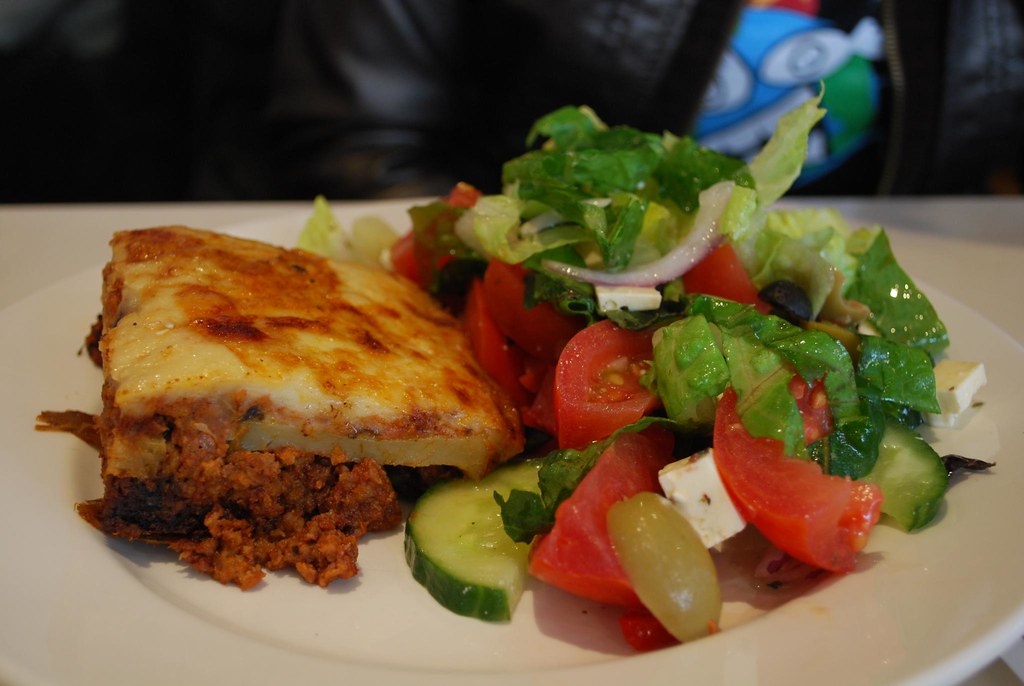
Greece consumes more olive oil per head than any other country, roughly triple the Italian figure. It is not a garnish in this cuisine, it is a primary ingredient with a structural role.
The ladera dishes make this clearest. Ladera means cooked in oil, and in a dish like gigantes or fasolakia the oil is not the medium the vegetables cook in, it is the sauce they are served in. Reducing it to a modern-sounding tablespoon does not make a lighter version of the dish, it makes a different and worse one.
Can you cook with extra virgin olive oil?
Yes, and the widespread advice not to is largely mistaken. Good extra virgin olive oil has a smoke point between about 190 and 207C. Shallow frying happens around 175C and roasting rarely exceeds 200C, so it is comfortably within range.
More usefully, extra virgin is high in antioxidants and polyphenols which make it relatively stable under heat. Several studies have found it degrades less during cooking than some refined oils with higher nominal smoke points.
The genuine argument against it is cost, not chemistry. For deep frying a large quantity, a cheaper oil is sensible. For everything else, use the good stuff.
What do the labels mean?
Extra virgin means mechanically extracted, unrefined, with free acidity below 0.8 percent and no sensory defects. This is the only grade worth buying for cooking.
Virgin allows up to 2 percent acidity and minor defects. Plain olive oil, sometimes labelled pure, is refined oil with a little virgin blended back in for flavour: functional, but it has lost most of what makes olive oil interesting.
Lower acidity generally indicates healthier fruit and faster processing. Many good Greek producers state a figure well below the legal limit, often around 0.3 percent. A harvest date on the bottle is a better quality signal than any of the marketing language.
Which Greek varieties to look for
Koroneiki is the dominant Greek variety, grown across the Peloponnese and Crete. It gives a bright, peppery, grassy oil with a distinct catch at the back of the throat, which is the polyphenols and a sign of freshness rather than a fault.
Kalamata oils from Messinia are among the most prized. Cretan oils, particularly from Sitia and Chania, are robust and well suited to cooking. Lesbos and Lakonia both produce softer, rounder oils that work well for finishing and for baking.
Buy in dark glass or tin, never clear plastic. Light is the main enemy of olive oil, followed by heat. Keep it in a cupboard, not next to the hob, and use it within a year of harvest.
Questions people ask
Is it bad to fry with extra virgin olive oil?
No. Its smoke point of roughly 190 to 207C sits above normal domestic frying temperatures, and its antioxidant content makes it relatively stable. Cost is the only real reason to use something else for deep frying.
How long does olive oil keep?
Best within a year of the harvest date and within a couple of months of opening. Unlike wine it does not improve with age. Store it dark, cool and sealed.
What does peppery olive oil mean?
The peppery catch at the back of the throat comes from oleocanthal, a polyphenol. It indicates a fresh, high-quality oil, not a defect. It fades as the oil ages.
Is Greek olive oil better than Italian?
Neither country has a monopoly on quality. Greece produces a far higher proportion of extra virgin grade than most producers, and Greek koroneiki oils tend to be robust and peppery, which suits Greek cooking.