Greek Main Courses · The Dodecanese · Boiled and Simmered · The Sunday Table
Pitaridia Kalymnou Recipe (Kalymnos Hand-Rolled Pasta)
Πιταρίδια Καλύμνου pee-tah-REE-thee-ah kah-LEEM-noo · Pitaridia Kalymnou
In short
Pitaridia are thin, hand-rolled flat noodles from the Dodecanese island of Kalymnos, made from a simple flour and water dough rolled thin and cut into ribbons by hand, then simmered in a light tomato sauce or broth. They are genuinely distinct from Karpathos's thicker, dumpling-like makarounes despite both being handmade island pastas.
Pitaridia Kalymnou
- Prep
- 45m
- Cook
- 30m
- Total
- 1h 15m
- Serves
- 4
- Level
- Intermediate
Ingredients
For the pasta
For the sauce
Tick ingredients off as you go. Quantities rescale with the buttons above.
Method
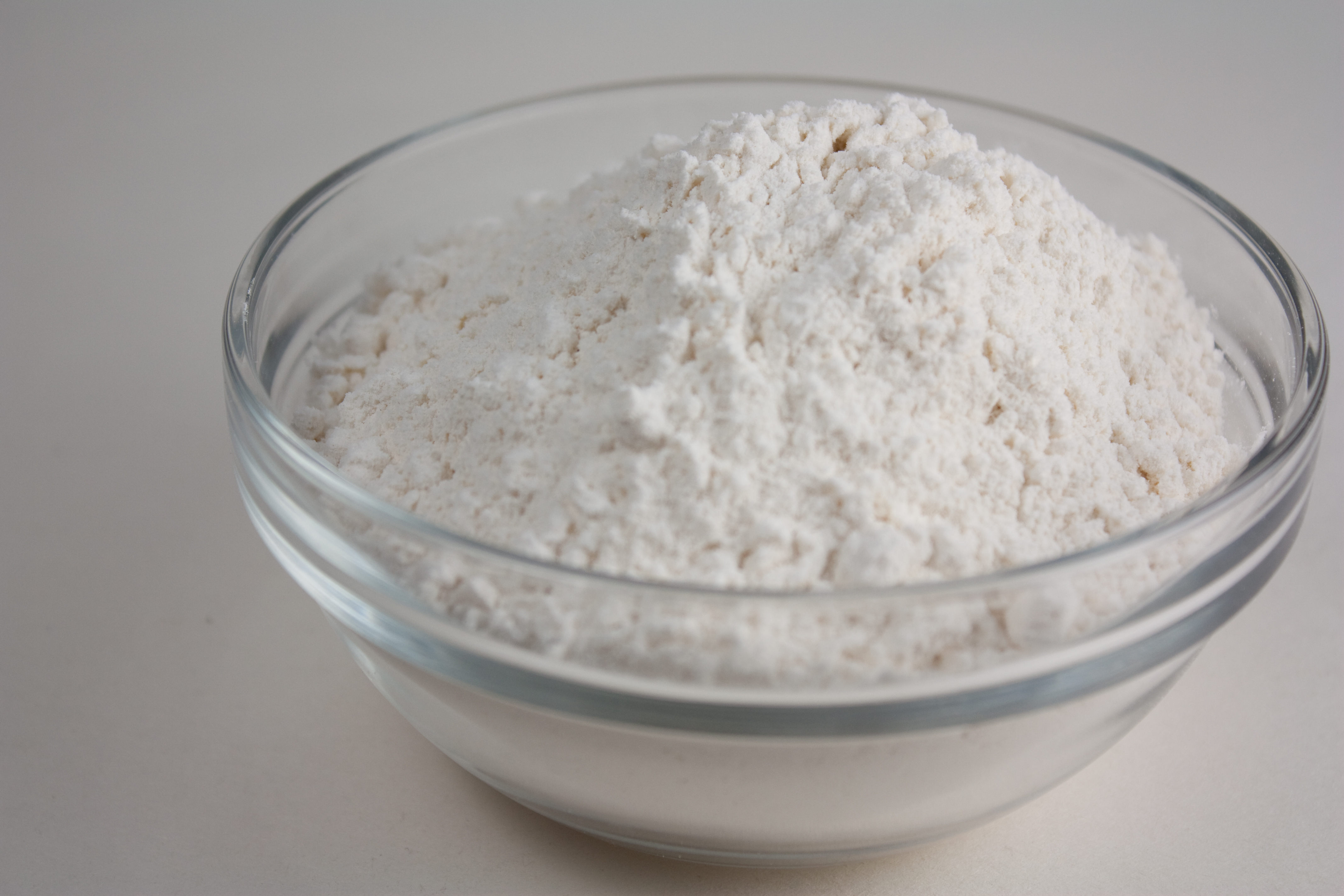
- 01Mix the flour and salt in a bowl. Add the warm water gradually, bringing the mixture together into a firm dough, adding a little more flour or water as needed.
- 02Knead for 10 minutes, until smooth and elastic. Cover and rest for at least 30 minutes.
- 03Roll the dough out as thinly as you can on a floured surface, then cut into flat ribbons about 1 cm wide. Toss with a little flour to stop them sticking.
Flour - 04Heat the olive oil in a wide pot and cook the onion for 6 minutes, until soft, then add the garlic and cook for 1 minute.
- 05Add the tomatoes and hot water, season, and bring to a simmer. Cook for 10 minutes.
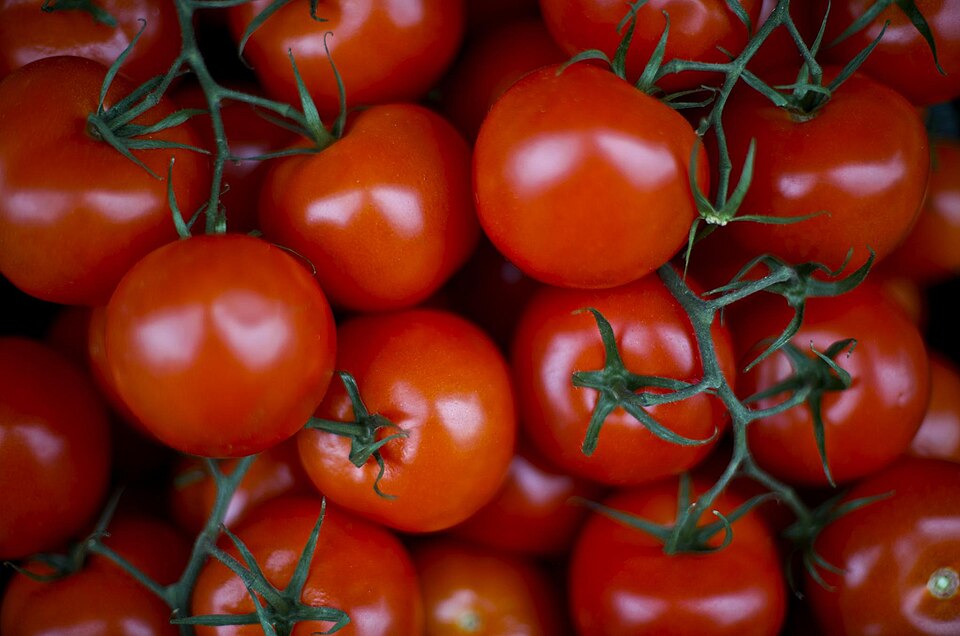
Tomato - 06Add the fresh pitaridia directly to the simmering sauce and cook for 8 to 10 minutes, stirring gently, until tender.Cook the noodles directly in the sauce.Yiayia
- 07Serve hot, topped with grated kefalotyri.
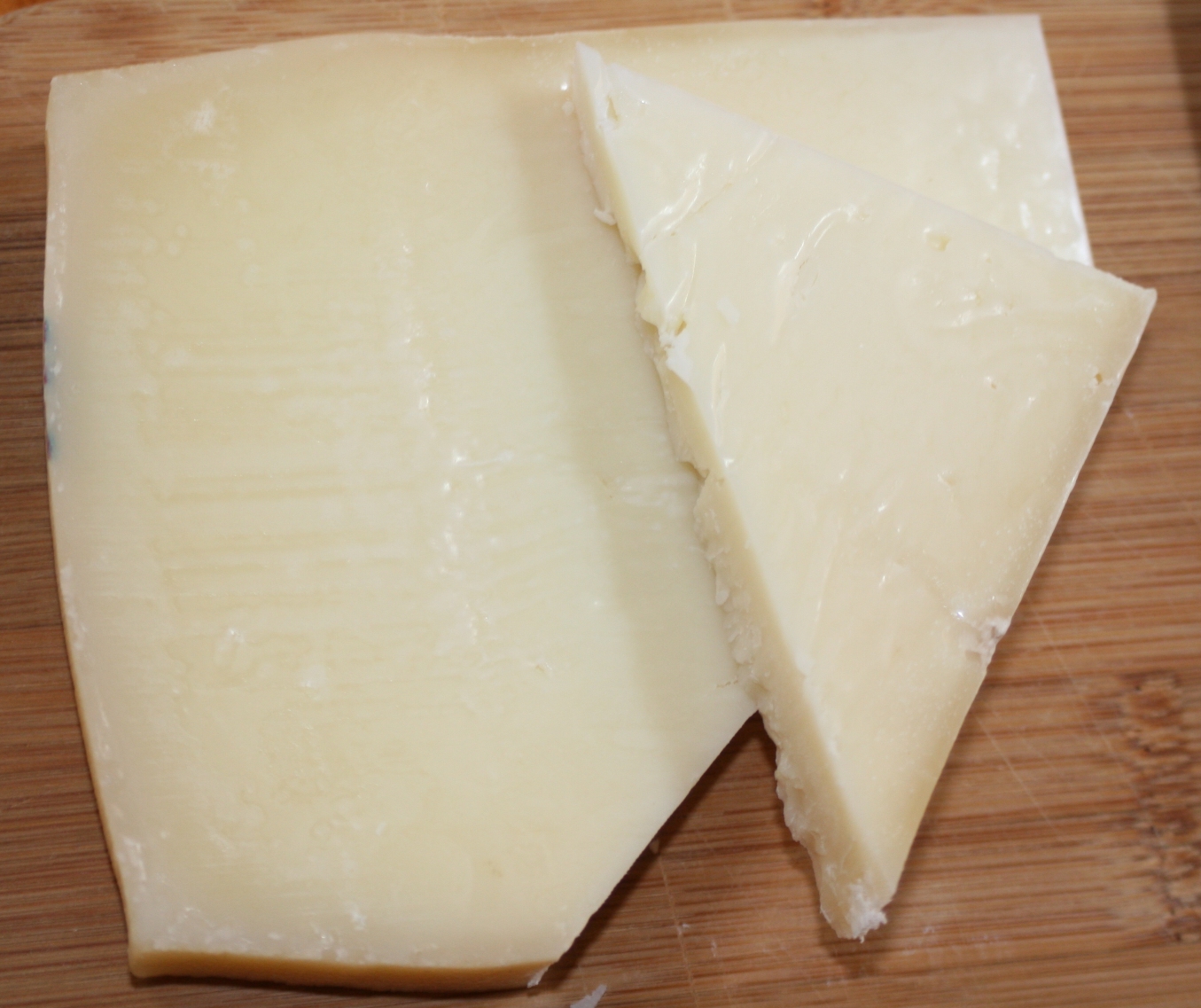
Kefalotyri
Nutrition, per 1 portion
- Calories
- 398
- Protein
- 12 g
- Carbs
- 68 g
- Fat
- 9 g
- Sat fat
- 2 g
- Fibre
- 4 g
These figures are calculated estimates based on the ingredients listed, not laboratory analysis. Actual values vary with brands, cuts and portion size.
Pitaridia belong to the same island tradition of handmade pasta as Karpathos's makarounes, a simple flour and water dough worked by hand long before dried pasta reached every Greek kitchen, but the two are genuinely different shapes: makarounes are thick, short, dumpling-like pieces, while pitaridia are rolled thin and cut into flat ribbons, closer in spirit to a rustic tagliatelle.
The dough itself needs nothing beyond flour, water and a little salt, and the real skill lies entirely in the rolling, since pitaridia depend on being genuinely thin to cook through properly and take up the sauce well.
They are traditionally simmered directly in a light tomato sauce rather than boiled separately and dressed afterwards, which lets the noodles absorb the sauce as they finish cooking, similar in principle to how orzo behaves in giouvetsi.
Key preparation steps
- Make a simple flour and water dough.
- Roll thin and cut into flat ribbons by hand.
- Build a light tomato sauce.
- Simmer the noodles directly in the sauce until tender.
The dough
Mix flour, a pinch of salt and enough warm water to bring together a firm, smooth dough, kneading for a good ten minutes until elastic. Rest the dough, covered, for at least thirty minutes before rolling, which makes it considerably easier to work thin.
Rolling and cutting
Roll the rested dough out as thinly as you reasonably can, then cut into flat ribbons about a centimetre wide, dusting with flour to stop them sticking together while they wait to be cooked. Genuinely thin rolling is the one thing that most affects how well the finished pitaridia turns out.
Cooking directly in the sauce
Build a light tomato sauce with onion, garlic and tinned tomato, then add the fresh pitaridia directly into the simmering sauce along with a little extra water, and cook for around ten minutes, until the noodles are tender and have absorbed much of the sauce, finishing with grated cheese if you like.
What matters in this dish
Roll the dough genuinely thin
This is what most affects the finished texture. A thick-rolled pitaridia takes considerably longer to cook through and loses the delicate bite that defines the dish.
Rest the dough before rolling
A good thirty minutes lets the gluten relax, making the dough considerably easier to roll thin without springing back.
Cook the noodles directly in the sauce
This is traditional and lets them absorb the sauce properly as they finish cooking, rather than sitting under a ladle of sauce afterwards.
Questions people ask about Pitaridia Kalymnou
What is the difference between pitaridia and makarounes?
Both are handmade Dodecanese pastas from a simple flour and water dough, but makarounes, from Karpathos, are thick and dumpling-like, while pitaridia, from Kalymnos, are rolled thin and cut into flat ribbons, closer to a rustic tagliatelle.
Can you use dried pasta instead?
A wide, flat dried pasta like tagliatelle is the closest substitute, though it will not take on the sauce in quite the same way as pitaridia cooked directly in it from raw.
How long do fresh pitaridia keep before cooking?
A few hours, dusted well with flour and kept loosely covered at room temperature. For longer storage, dry them fully on a tray before keeping in an airtight container.