Greek Main Courses · Cyprus · Boiled and Simmered · Lent and Nistisima
Cypriot Lentils and Rice with Onions (Moutzentra)
Μουτζέντρα moo-TZEN-drah · Moutzentra
In short
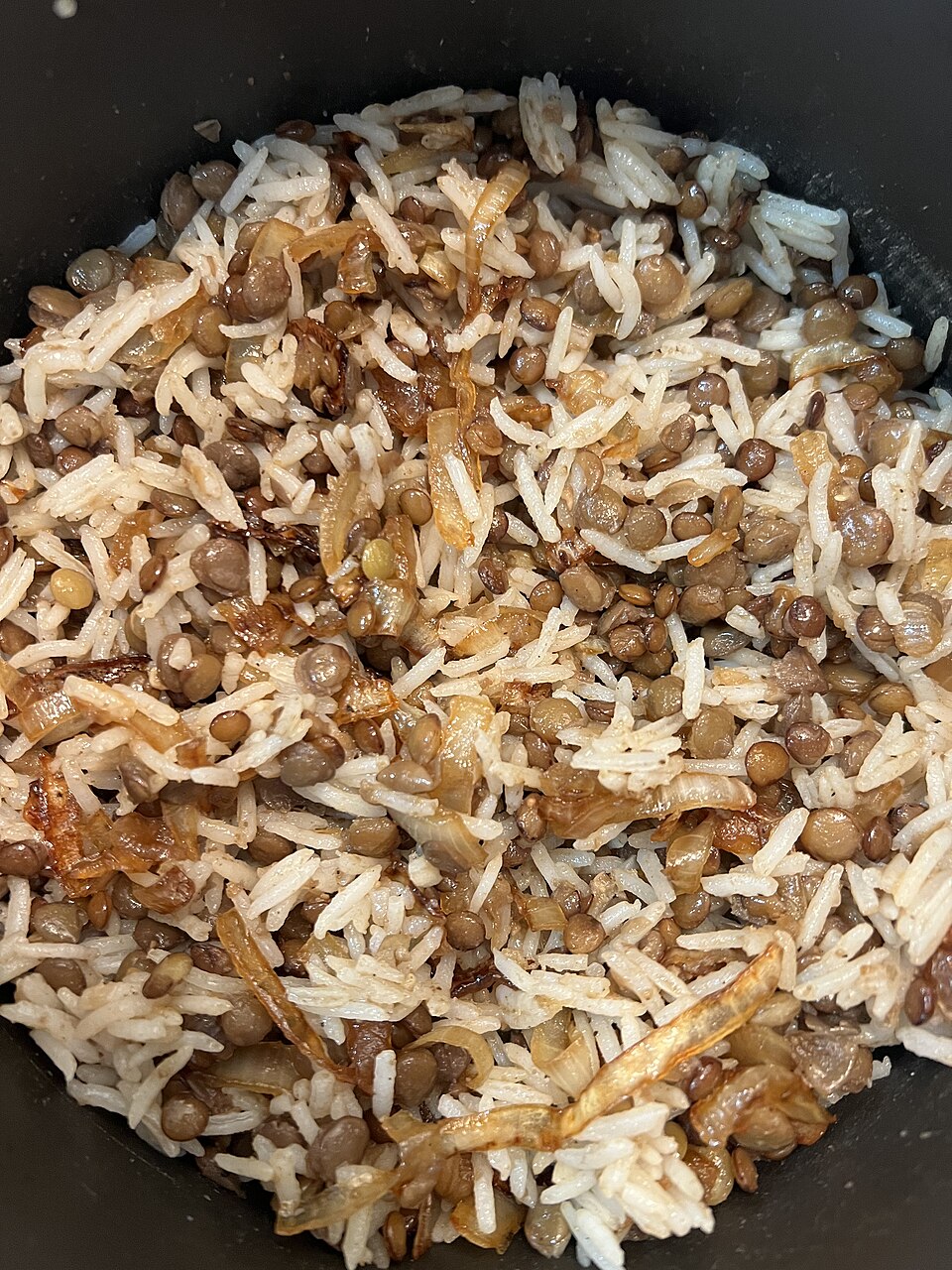
Moutzentra is the Cypriot dish of brown lentils and rice cooked together in one pot and finished with a large quantity of onions fried slowly until dark and sweet, half stirred through and half piled on top. Lemon juice and olive oil go in at the end, and it is eaten as a main course with yogurt or talattouri and a salad.
Cypriot Lentils and Rice with Onions
- Prep
- 15m
- Cook
- 50m
- Total
- 1h 5m
- Serves
- 5
- Level
- Beginner
Ingredients
For the lentils and rice
For the onions
To finish
Tick ingredients off as you go. Quantities rescale with the buttons above.
Method
- 01Put the lentils in a pan, cover generously with cold water and simmer uncovered for 20 to 25 minutes, until almost tender but still firm. Drain.Cook the lentils separately first.Yiayia
- 02While they cook, heat the 120 ml olive oil in a wide frying pan and add the sliced onions with a good pinch of salt.
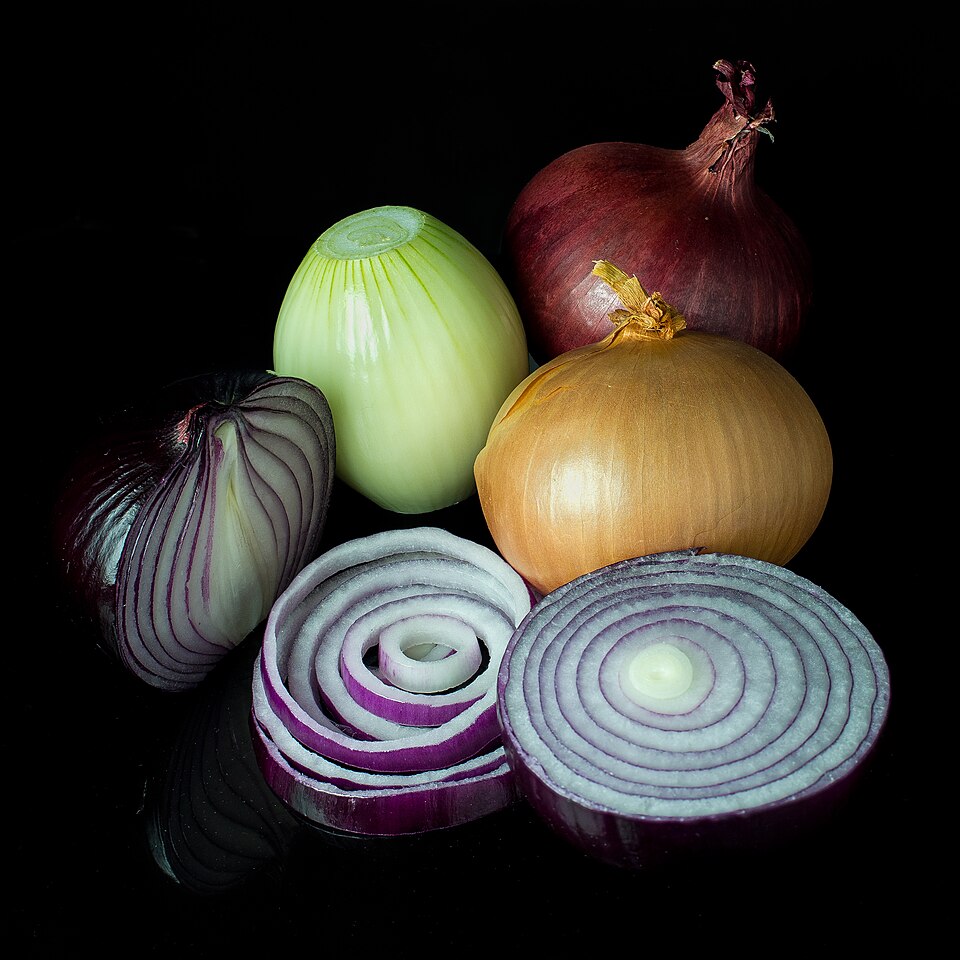
Onion - 03Cook the onions over medium heat for 20 to 25 minutes, stirring more often towards the end, until deep brown, sweet and jammy. Lift out with a slotted spoon, leaving the oil behind.
- 04Return the drained lentils to their pan with 3 tbsp of the onion oil. Add the rice, the cumin if using, the hot water or stock and plenty of salt and pepper.
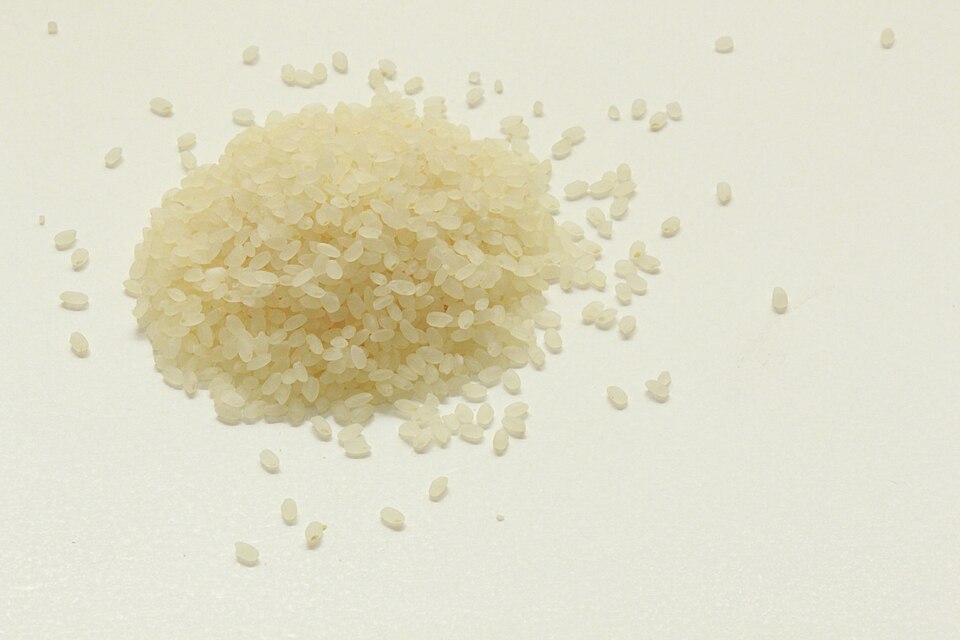
Rice - 05Bring to a simmer, cover, lower the heat as far as it will go and cook for 15 minutes without lifting the lid.
- 06Take off the heat and let it stand, still covered, for 10 minutes.
- 07Fork through half the caramelised onions along with the lemon juice and the coriander.
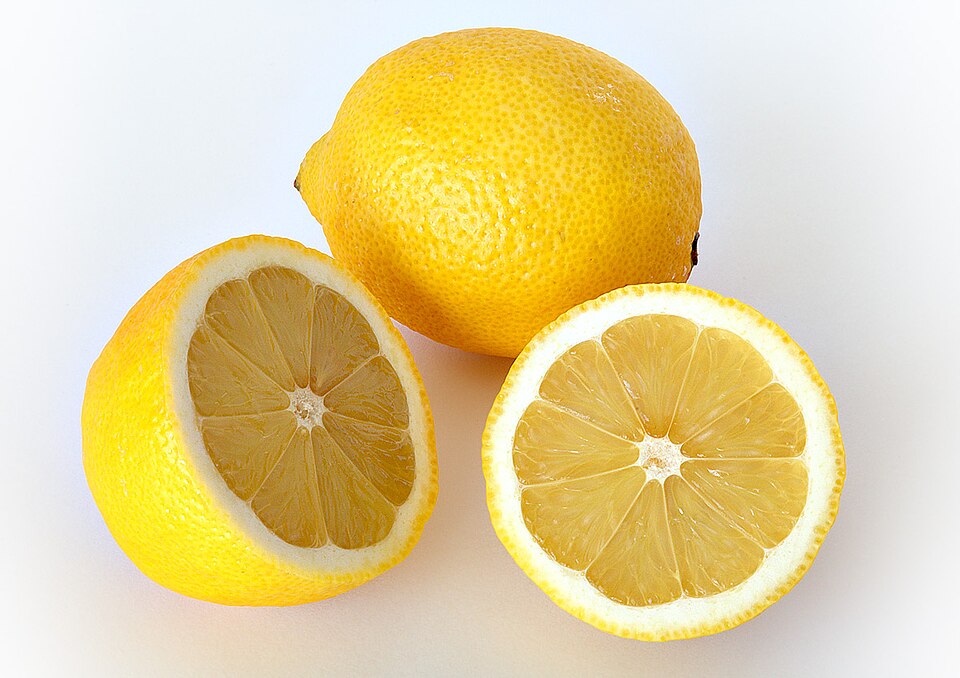
Lemon - 08Pile the remaining onions on top, thread over the extra virgin olive oil, and serve with lemon wedges.
Nutrition, per 1 portion
- Calories
- 542
- Protein
- 17 g
- Carbs
- 68 g
- Fat
- 23 g
- Sat fat
- 3 g
- Fibre
- 11 g
These figures are calculated estimates based on the ingredients listed, not laboratory analysis. Actual values vary with brands, cuts and portion size.
Moutzentra is the dish every Cypriot household knows how to make without a recipe, and it comes out most often through Lent, when it feeds a table for almost nothing and breaks no fasting rule. Lentils, rice, onions, olive oil, lemon. That is the whole list.
The onions are not a garnish and they are not seasoning. Something close to half a kilo of them goes into a pan with olive oil and is cooked for twenty-five slow minutes until genuinely dark, sweet and jammy, and that is where all the flavour in the dish comes from.
It belongs to a family that runs right across the eastern Mediterranean, from mujaddara in Lebanon eastwards, and the Cypriot version has its own habits: brown lentils rather than green, a heavier hand with the lemon, and fresh coriander stirred in at the end in many households.
Key preparation steps
- Simmer brown lentils until nearly tender.
- Fry a large quantity of onions until dark and sweet.
- Add rice to the lentils and cook them together.
- Fold half the onions through and pile the rest on top.
Which lentils should I use?
Brown lentils, which are what Cypriot cooks reach for and what holds its shape through a further fifteen minutes with the rice. Green lentils work equally well and are slightly firmer.
Red split lentils are the one kind that will not do. They break down completely into a puree within ten minutes, and moutzentra is meant to be a dish of separate grains and whole lentils rather than a mush.
How dark should the onions go?
Much darker than you would normally take an onion. Deep mahogany brown, with some pieces close to black at the edges, after twenty to twenty-five minutes over medium heat in a good amount of olive oil.
That colour is sugar caramelising and it is the entire flavour of the dish. Onions taken only to golden give a moutzentra that tastes flat and beany. Keep them moving in the last five minutes, since the line between dark and burnt is short.
How much water do the lentils and rice need?
Cook the lentils in plenty of water first, uncovered, then drain them and measure fresh liquid for the rice stage: roughly one and a half times the volume of the rice, plus a little for the lentils to keep absorbing.
Do it that way and both cook properly. Throwing rice into the lentil pot with whatever water happens to be left is how you end up with either soup or a scorched bottom.
What is served with moutzentra?
Plain yogurt or talattouri on the side is the standard Cypriot accompaniment, along with a tomato and cucumber salad and olives. Some households add a bowl of pickles, which cuts the sweetness of the onions well.
Through Lent the yogurt goes and the plate stays vegan: moutzentra, salad, olives, bread and lemon. That is a complete meal by any measure and it is how the dish is most often eaten in Cyprus.
What matters in this dish
Cook the lentils separately first
Lentils and rice need very different times. Getting the lentils almost tender before the rice joins them is the only reliable way to have both right at the same moment.
Keep the onion oil
The oil left in the pan has taken on everything the onions gave up. Cooking the rice in it rather than in fresh oil is a free upgrade to the whole dish.
Do not lift the lid
The rice is steaming in a measured amount of liquid. Every look lets steam out and the grains at the top end up chalky.
Questions people ask about Moutzentra
Is moutzentra the same as mujaddara?
They are the same idea and clearly related. The Cypriot version typically uses brown lentils, finishes with a great deal of lemon and often fresh coriander, and is served with yogurt or talattouri, where Levantine mujaddara more often uses green lentils or bulgur.
Is moutzentra vegan?
Yes as cooked. It is a fasting staple in Cyprus and contains only pulses, rice, onion, olive oil and lemon. The yogurt usually served alongside is the only thing to leave off during Lent.
Can I make it with bulgur instead of rice?
Yes, and it is common. Use coarse bulgur, add it at the same point as the rice and reduce the liquid slightly, since bulgur absorbs a little less than rice does.
Does it reheat well?
Very well. Add a splash of water, cover and warm gently, then refresh it with fresh lemon juice and a little raw olive oil. Fry a fresh handful of onions if you want it to taste like it did the first day.