Greek Main Courses · Cyprus · Baked · The Sunday Table
Cypriot Baked Macaroni (Makaronia tou Fournou)
Μακαρόνια του φούρνου mah-kah-ROH-nyah too FOOR-noo · Makaronia tou fournou
In short
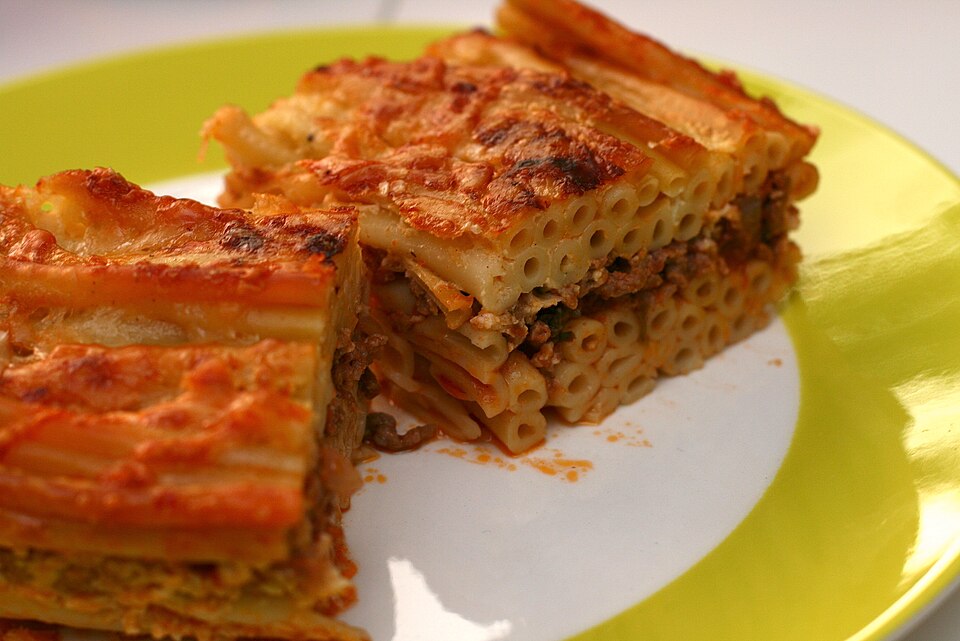
Makaronia tou fournou is a Cypriot baked pasta dish related to Greek pastitsio, made with macaroni layered with a cinnamon-spiced meat sauce, but finished with a topping of grated halloumi mixed into beaten egg rather than a separate flour-based bechamel.
Cypriot Baked Macaroni
- Prep
- 35m
- Cook
- 1h
- Total
- 1h 35m
- Serves
- 8
- Level
- Intermediate
Ingredients
For the pasta and sauce
For the topping
Tick ingredients off as you go. Quantities rescale with the buttons above.
Method
- 01Cook the pasta in well-salted water for 3 minutes less than the packet time, so it is well short of al dente. Drain and set aside.
- 02Heat the olive oil in a wide pan and brown the mince hard over a high heat, breaking it up well. Add the onions and garlic and cook for 8 minutes until softened.
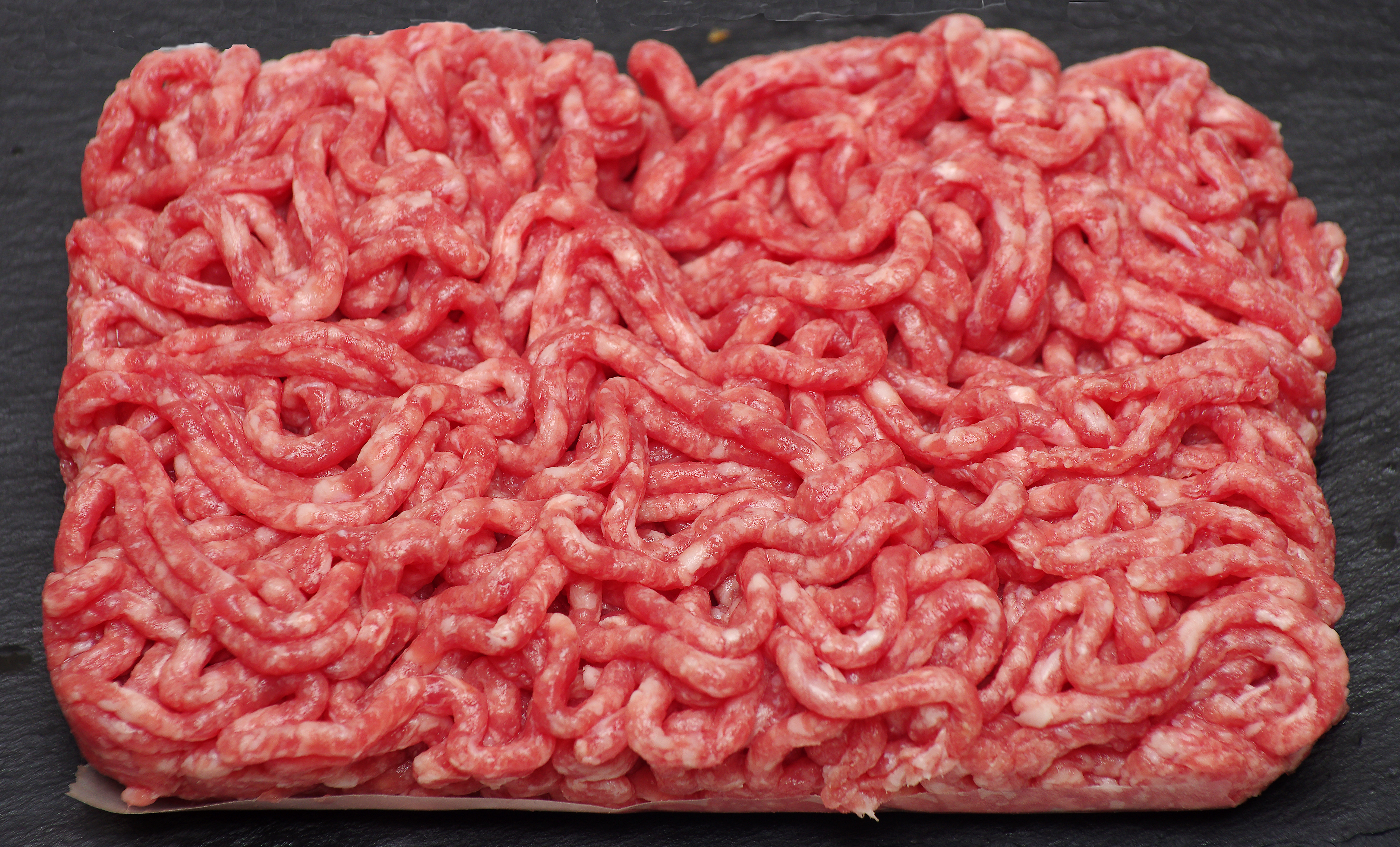
Minced Meat - 03Pour in the wine and reduce until almost gone. Stir in the tomatoes, tomato paste, cinnamon and bay leaf, season, and simmer uncovered for 30 minutes until thick and nearly dry. Remove the bay leaf.
- 04Heat the oven to 180C fan 160C. Oil a deep baking dish, about 30 x 22 cm.
- 05Layer the drained pasta in the dish, spoon over the meat sauce, and mix through roughly so the sauce is distributed rather than kept in a strict separate layer.Keep the meat sauce dry.Yiayia
- 06Beat the eggs well in a bowl, then stir in the grated halloumi, milk, nutmeg and a good grinding of pepper.
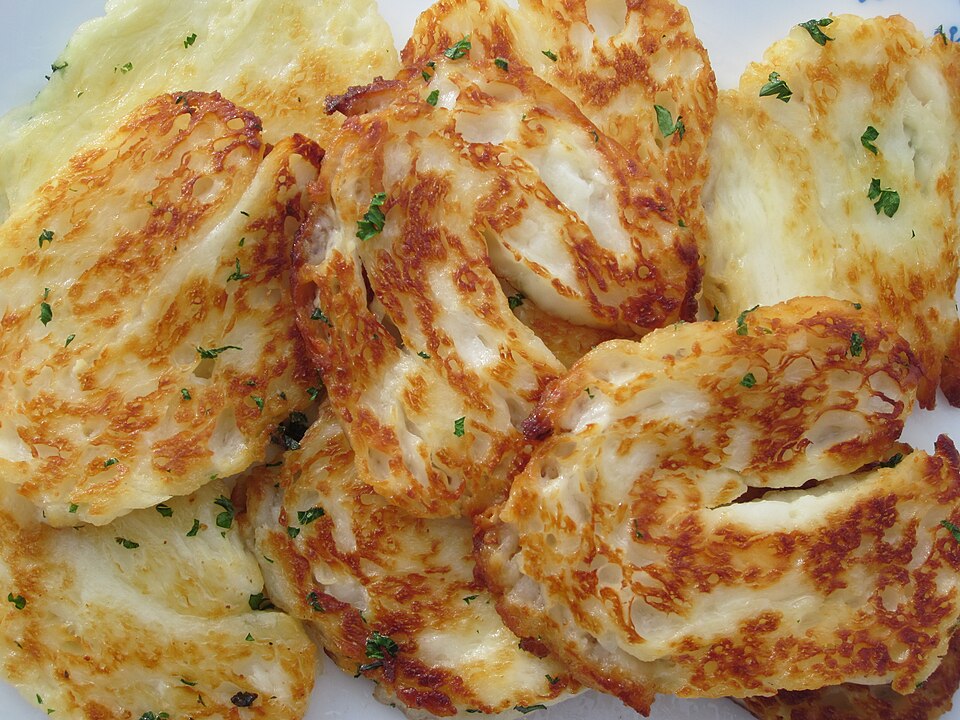
Halloumi - 07Pour the egg and halloumi mixture evenly over the pasta, tilting the dish gently so it settles into the gaps.
- 08Bake for 45 to 50 minutes, until deeply golden on top and just set with barely a wobble in the centre.
- 09Rest for at least 15 minutes before cutting into squares.
Nutrition, per 1 square
- Calories
- 612
- Protein
- 34 g
- Carbs
- 48 g
- Fat
- 31 g
- Sat fat
- 14 g
- Fibre
- 3 g
These figures are calculated estimates based on the ingredients listed, not laboratory analysis. Actual values vary with brands, cuts and portion size.
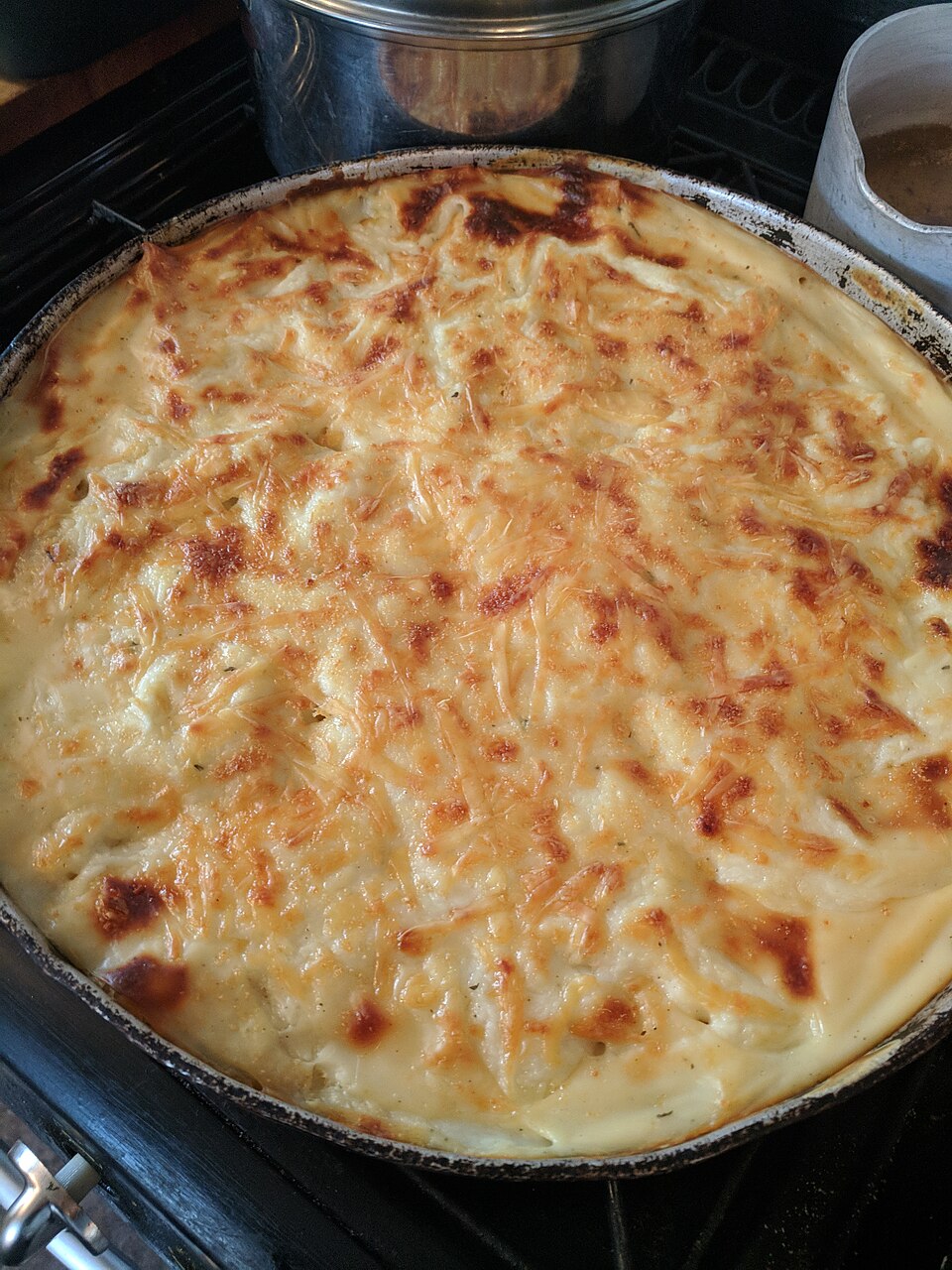
Cyprus has its own version of the baked pasta dish that Greece calls pastitsio, and the difference that actually matters is the topping. Where Greek pastitsio goes to the trouble of a separate flour and milk bechamel, the Cypriot version mixes grated halloumi directly into beaten egg and pours that over the pasta instead, which sets into something closer to a savoury custard, salty and slightly springy rather than smooth and creamy.
The pasta itself is usually the same long, thick tubular shape used across Greek and Cypriot baked pasta dishes, and the meat sauce underneath follows the same cinnamon-led spicing that marks out this whole family of dishes from an Italian bake.
It is a genuinely simpler dish than pastitsio in one respect: no roux to get wrong, no risk of a bechamel splitting or going lumpy. What it asks for instead is a good halloumi, since that topping is doing all the work a whole separate sauce usually does.
Key preparation steps
- Cook the pasta short of al dente, since it finishes in the oven.
- Reduce a cinnamon-spiced meat sauce until thick.
- Beat eggs with a generous quantity of grated halloumi.
- Layer, pour the egg and halloumi topping over, and bake until set and golden.
The halloumi and egg topping
Grate halloumi coarsely rather than finely, so it keeps some texture within the set egg rather than disappearing into a smooth paste. Beat the eggs well first, then stir in the grated cheese along with a little milk to loosen it slightly and help it pour evenly.
This topping sets firmer than a bechamel does, closer to a frittata than a white sauce, and it browns attractively rather than staying pale, which is one of the visual differences that marks this dish out as distinctly its own rather than simply a lazier pastitsio.
The meat sauce
Minced beef or a beef and pork mix, cooked down with onion, garlic, tomato and the same cinnamon and bay leaf spicing that defines Greek pastitsio and moussaka. Reduce it until thick and nearly dry, since a wet sauce will seep up through the egg topping rather than staying in its own layer.
Some households add a spoonful of the cooking liquid from boiling the pasta to loosen the sauce very slightly if it has gone too far, though err on the side of too dry rather than too wet.
Assembling and baking
Layer the part-cooked pasta in a deep dish, spoon over the meat sauce and mix it through roughly rather than keeping perfectly separate layers, which is how this dish is more commonly built than the strict layering of pastitsio. Pour the halloumi and egg mixture evenly over the top.
Bake until the top is deeply golden and just set with barely a wobble in the centre, similar to checking a frittata for doneness. Let it rest for fifteen minutes before cutting, since the egg topping needs that time to firm up enough to hold clean squares.
What matters in this dish
Grate the halloumi coarsely
A fine grate disappears into the egg. Coarse shreds keep some texture in the finished topping.
Keep the meat sauce dry
A wet sauce seeps up into the egg topping during baking rather than staying in its own layer underneath.
Check like a frittata
The topping is done when it has just set with a slight wobble, the same test you would use for eggs rather than a bechamel.
Questions people ask about Makaronia tou fournou
What is the difference between makaronia tou fournou and pastitsio?
The topping. Pastitsio uses a flour and milk bechamel enriched with egg yolks. The Cypriot version mixes grated halloumi directly into beaten whole eggs, giving a firmer, more frittata-like set rather than a smooth white sauce.
Can you use a different cheese instead of halloumi?
Halloumi's saltiness and texture are fairly specific to this dish. A mix of feta and a mild hard cheese is the closest substitute if halloumi is not available, though the texture will be softer.
Can you make this dish ahead?
Assemble it up to a day ahead, keep it covered in the fridge unbaked, then bake from cold, adding around 15 minutes to the cooking time.