Greek Main Courses · The Mainland · Grilled and Souvla · Taverna Night
Greek Spit-Roasted Pork (Kontosouvli)
Κοντοσούβλι kon-doh-SOOV-lee · Kontosouvli
In short
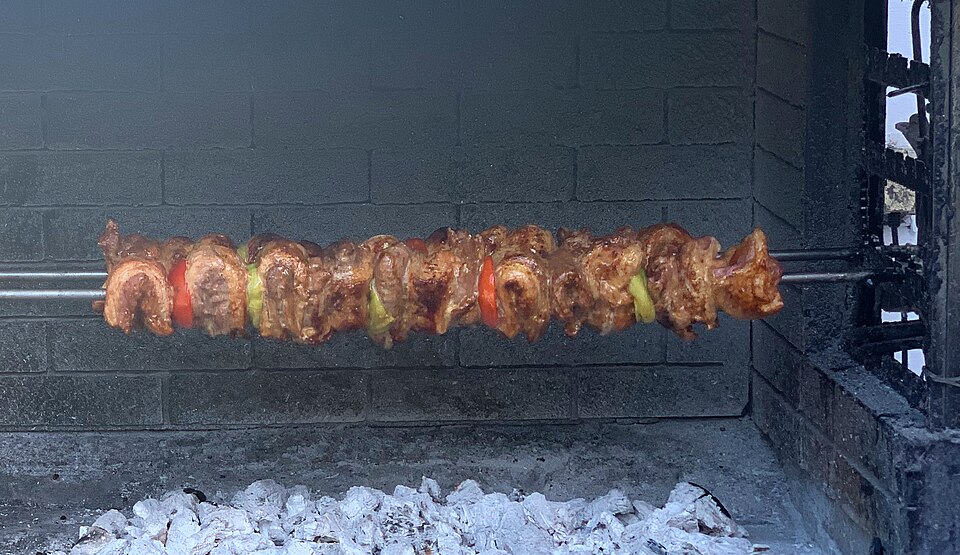
Kontosouvli is large chunks of pork shoulder, marinated in oregano, lemon and olive oil, threaded onto a thick skewer and slow-roasted over charcoal for two to three hours, turning constantly, so the fat renders gradually and bastes the meat throughout.
Spit-Roasted Pork
- Prep
- 30m
- Cook
- 3h
- Total
- 3h 30m
- Serves
- 6
- Level
- Intermediate
Ingredients
Ingredients
Tick ingredients off as you go. Quantities rescale with the buttons above.
Method
- 01Whisk the olive oil, lemon juice, garlic and oregano together in a large bowl. Season well.
- 02Add the pork chunks and toss thoroughly to coat. Cover and marinate in the fridge for at least 4 hours, ideally overnight.
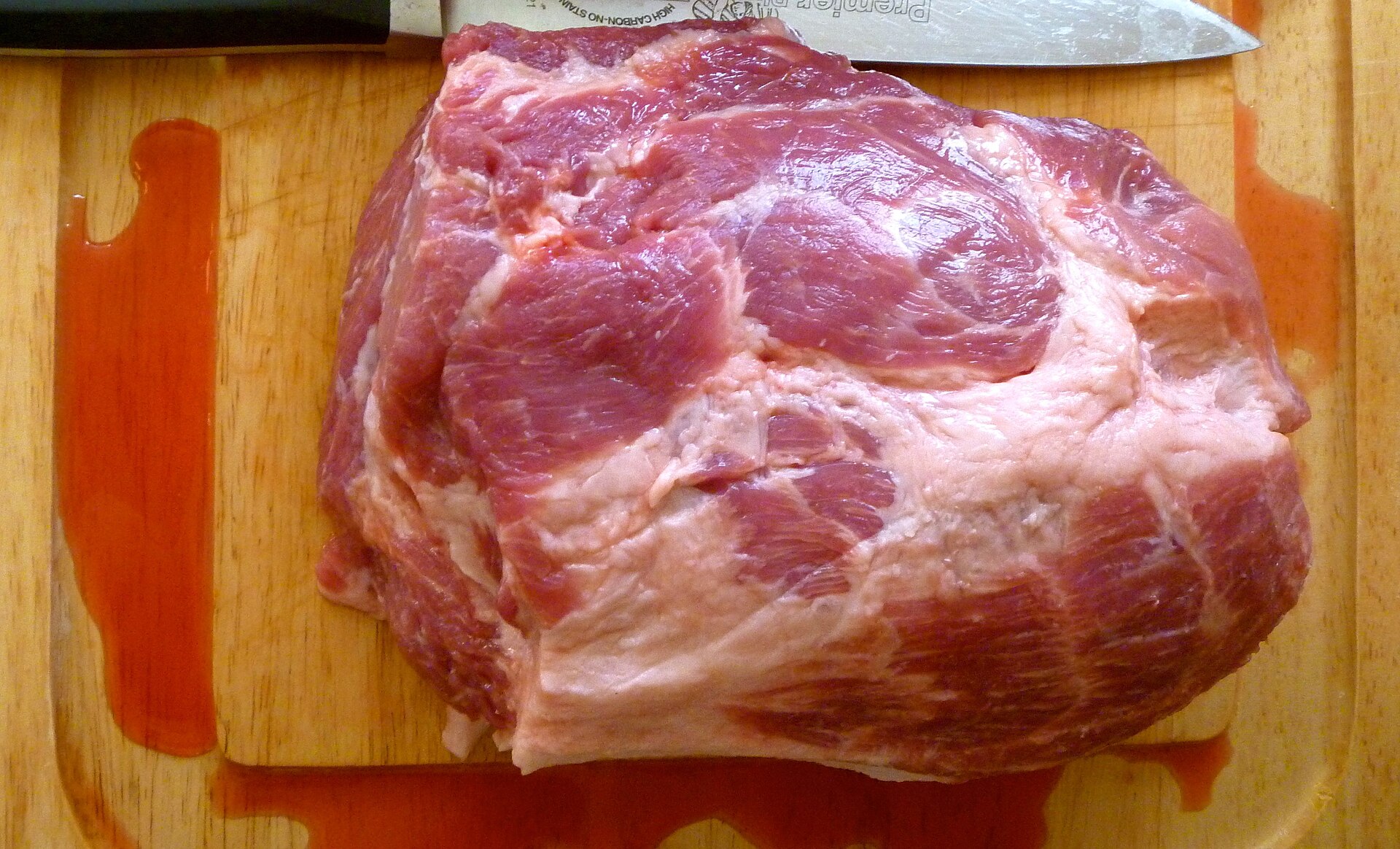
Pork - 03Remove the pork from the fridge 30 to 40 minutes before cooking to come up towards room temperature.
- 04Thread the pork chunks onto a thick skewer or rotisserie spit, packing them fairly close together.
- 05Set up a charcoal fire for indirect, moderate heat, keeping the coals to one side or using a low, steady burn rather than a fierce direct fire.Moderate, steady heat over hours.Yiayia
- 06Roast the skewer for 2 hours 30 minutes to 3 hours, turning constantly on a motorised spit, or by hand every few minutes, basting with leftover marinade during the first hour.
- 07The pork is ready when deeply charred outside and completely tender, almost falling apart, throughout.
- 08Rest for 10 minutes, then slide the pieces off the skewer and serve with warm pita and lemon wedges.
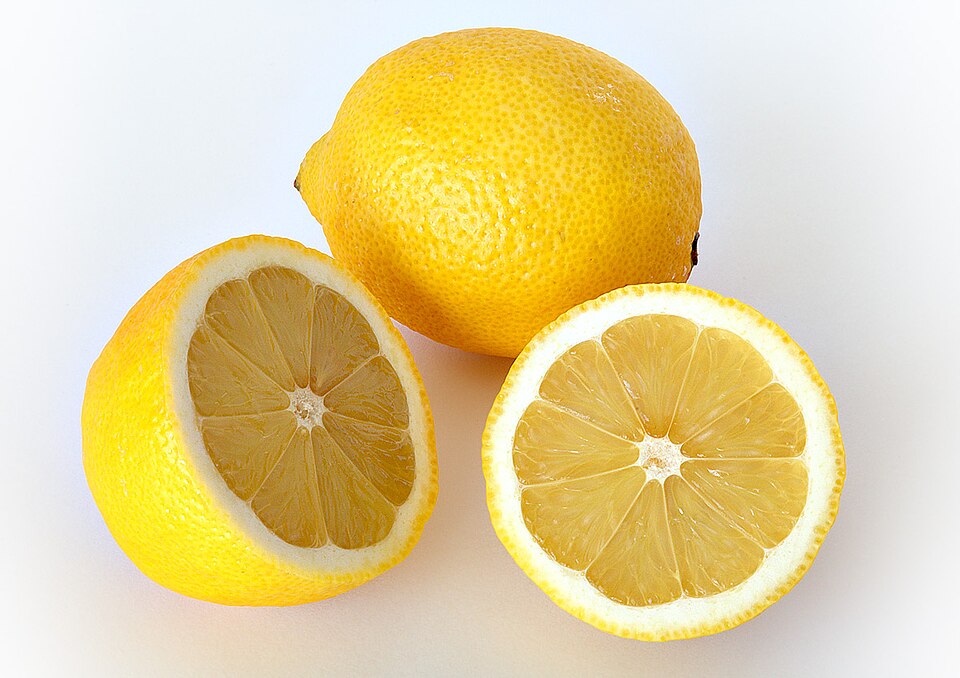
Lemon
Nutrition, per 1 portion
- Calories
- 486
- Protein
- 36 g
- Carbs
- 2 g
- Fat
- 36 g
- Sat fat
- 11 g
- Fibre
- 0 g
These figures are calculated estimates based on the ingredients listed, not laboratory analysis. Actual values vary with brands, cuts and portion size.
Kontosouvli takes the same idea as souvlaki, marinated pork on a skewer over charcoal, and stretches it out over hours rather than minutes, using large chunks rather than small cubes and a slow, patient rotation rather than a quick sear. The name literally means short spit, referring to the shorter skewer used compared with a full gyros rotisserie.
The technique depends entirely on fat and time. Pork shoulder, cut into chunks with a good amount of fat left on and between them, renders that fat slowly over hours of turning, and the melting fat continuously bastes the meat, which is exactly what keeps large chunks of pork from drying out over such a long cook.
A motorised rotisserie spit makes this far easier, since it turns constantly and evenly without you standing over it. Without one, this becomes a genuine hands-on commitment, turning the skewer by hand every few minutes for the better part of three hours.
Key preparation steps
- Cut pork shoulder into large chunks, keeping some fat attached.
- Marinate several hours or overnight in lemon, oregano and olive oil.
- Thread onto a thick skewer with fat and lean pieces alternating.
- Turn slowly over charcoal for two to three hours until deeply charred and tender.
Cutting the meat right
Pork shoulder, cut into chunks around 5 cm across, is the right size and the right cut for kontosouvli, since it has enough internal and surface fat to survive the long, slow cook without drying out. Leaner cuts like loin dry out badly over this length of time and are the wrong choice here.
Deliberately leave some fat attached to each chunk, and alternate pieces of meat with small chunks of solid fat threaded between them on the skewer if your cut allows it, since that fat is what renders down and bastes everything around it as it turns.
The marinade and the wait
Olive oil, lemon juice, garlic and a generous amount of dried oregano, with the meat left to marinate for at least four hours and ideally overnight. The long cooking time ahead means the marinade has plenty of opportunity to penetrate, so do not feel you need anything more elaborate than these few ingredients.
Bring the meat to room temperature before it goes on the spit, which for a large batch can take a genuine thirty to forty minutes out of the fridge, so the centre is not still cold when the outside begins to char.
The long, slow turn
Set the coals for indirect, moderate heat rather than the fierce direct heat used for quick-cooking souvlaki, since kontosouvli needs two to three hours to render properly, and fierce heat would char the outside long before the inside is anywhere near ready. A steady, moderate glow sustained over hours is what this dish actually wants.
Turn constantly if using a motorised spit, or every few minutes by hand if not, basting with any leftover marinade during the first hour. The meat is ready once it is deeply charred and almost falling off the skewer, closer to a well-done roast than the medium interior you would want from smaller, quicker souvlaki cubes.
What matters in this dish
Choose shoulder, not loin
The fat content in shoulder is what survives hours of slow cooking without drying out. Lean cuts are the wrong choice for this method.
Moderate, steady heat over hours
This is not a quick sear. A fierce fire chars the outside long before the large chunks have cooked through properly.
A motorised spit is worth it
Constant, even turning without a break is genuinely difficult to replicate by hand for three hours. If you make kontosouvli often, it is a worthwhile investment.
Questions people ask about Kontosouvli
What is the difference between kontosouvli and souvlaki?
Size and time. Souvlaki uses small cubes of meat cooked quickly over direct heat. Kontosouvli uses much larger chunks on a shorter, thicker skewer, cooked slowly over moderate indirect heat for hours.
Can you make kontosouvli in the oven?
Yes, on a rotisserie attachment if your oven has one, or on a rack turned occasionally, at around 160C for 2 to 3 hours, though you lose the charcoal smokiness that is a large part of the dish's appeal.
What cut of pork is best for kontosouvli?
Pork shoulder, cut into large chunks with some fat left on, is the traditional and correct choice, since it has enough fat to render slowly and keep the meat moist over the long cook.