Greek Main Courses · Corfu and the Ionian · Greek Stews and Ladera · The Sunday Table
Kokoras Pastitsada Recipe (Greek Rooster Pastitsada)
Κόκορας παστιτσάδα KOH-koh-rahs pah-stee-TSAH-thah · Kokoras pastitsada
In short
Kokoras pastitsada is the traditional Corfiot variant of pastitsada made with rooster or cockerel rather than beef, braised low and slow in the same cinnamon and clove-spiced tomato sauce until the meat falls from the bone, then served over thick bucatini pasta showered with grated hard cheese.
Kokoras Pastitsada
- Prep
- 30m
- Cook
- 2h 30m
- Total
- 3h
- Serves
- 6
- Level
- Intermediate
Ingredients
For the rooster
To serve
Tick ingredients off as you go. Quantities rescale with the buttons above.
Method
- 01Heat the olive oil in a large, heavy pot. Season the rooster pieces and brown well on all sides, in batches. Set aside.Use a genuine rooster or large boiling hen.Yiayia
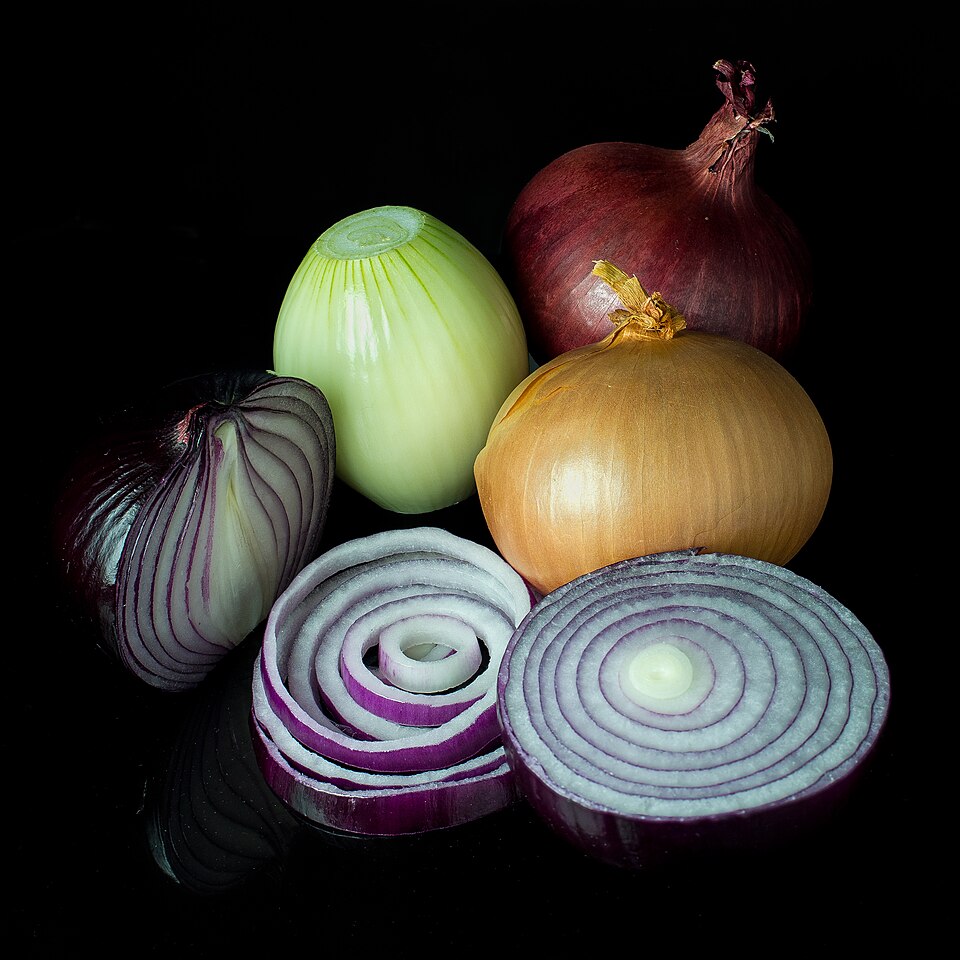
- 02Add the onion to the pot and cook for 8 minutes, until soft, then add the garlic and cook for 1 minute.
Onion - 03Stir in the tomato paste and cook for 1 minute, then add the wine and let it bubble for 2 minutes.
- 04Add the tinned tomatoes, cinnamon stick, cloves and bay leaf. Return the rooster to the pot with enough water to almost cover.
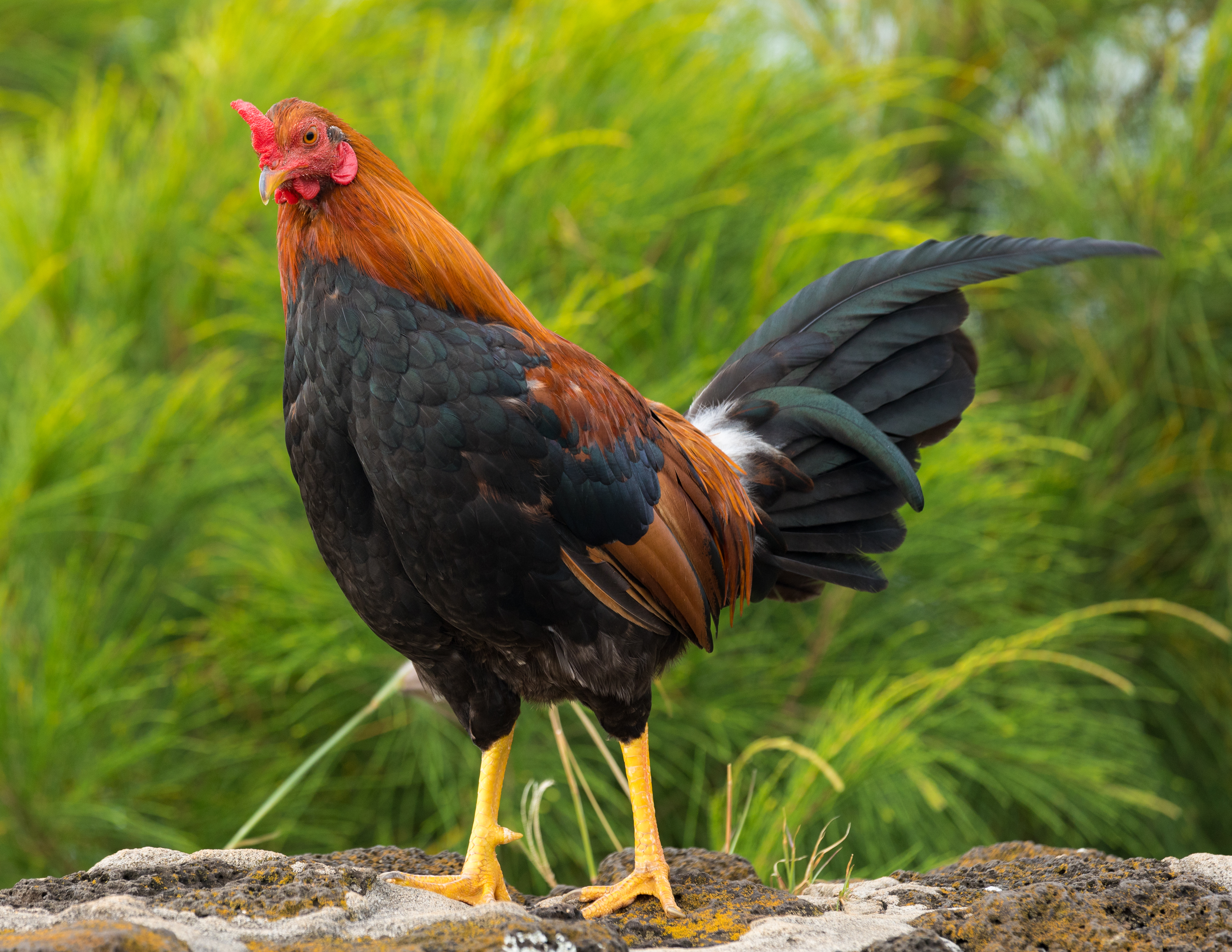
Rooster - 05Season, bring to a simmer, cover, and cook gently for 2 to 2 1/2 hours, until the meat is very tender and pulling from the bone.
- 06Remove the cinnamon stick, cloves and bay leaf.
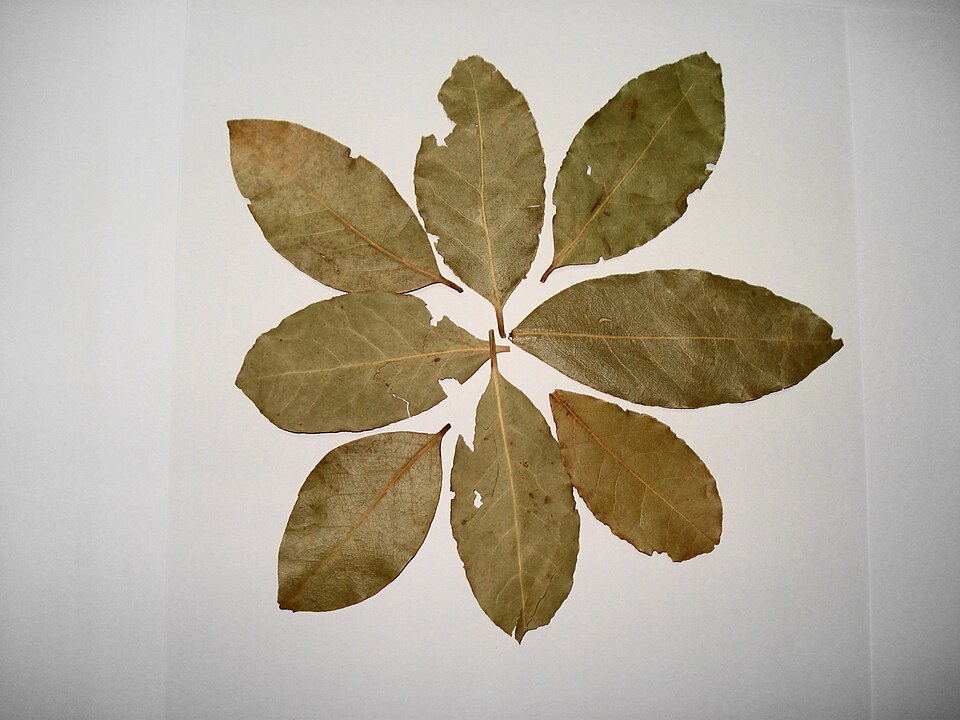
Bay Leaf - 07Boil the bucatini in salted water until al dente. Drain and toss through a ladleful of the sauce.
- 08Serve the pasta topped with the rooster and remaining sauce, showered with grated kefalotyri.
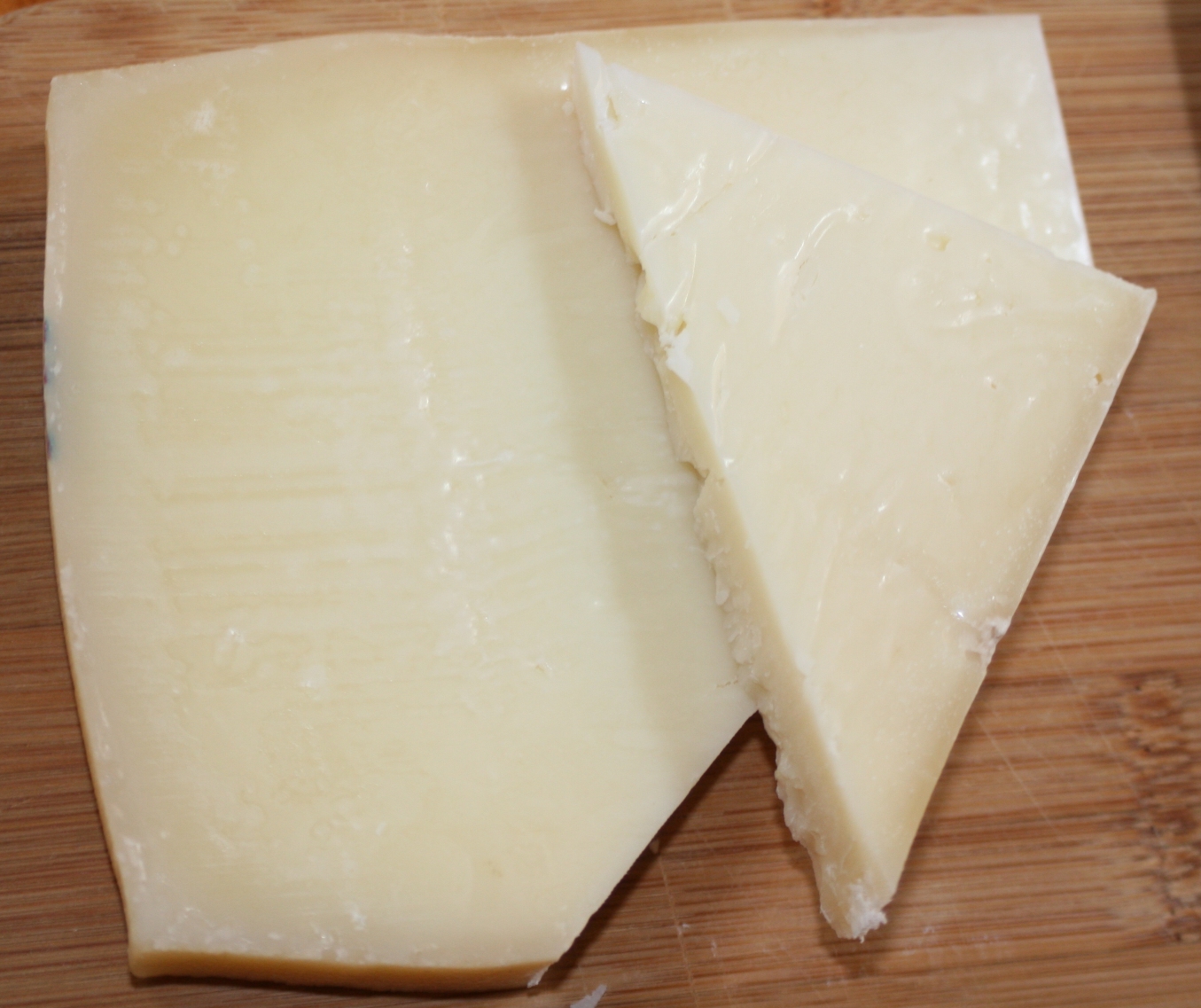
Kefalotyri
Nutrition, per 1 portion
- Calories
- 612
- Protein
- 42 g
- Carbs
- 58 g
- Fat
- 22 g
- Sat fat
- 7 g
- Fibre
- 4 g
These figures are calculated estimates based on the ingredients listed, not laboratory analysis. Actual values vary with brands, cuts and portion size.
Pastitsada is Corfu's best known dish, but the version most households actually reach for on a Sunday, before beef became the everyday default, uses a whole rooster or cockerel rather than beef, braised for hours in exactly the same cinnamon and clove-scented tomato sauce until the meat is genuinely falling from the bone.
A rooster is tougher and more flavourful than a young hen, which is precisely why the long, slow braise suits it so well, giving the sauce real depth from the bones and connective tissue in a way a quick-cooking chicken breast never could.
The sauce itself is identical to beef pastitsada in spirit, built on tomato, red wine, cinnamon and clove, and it is this specific spicing, unusual for a savoury braise, that marks pastitsada as recognisably Corfiot rather than a generic Greek tomato stew.
Key preparation steps
- Joint and brown the rooster pieces well.
- Build the sauce with tomato, wine, cinnamon and clove.
- Braise low and slow until the meat is genuinely tender.
- Serve over thick bucatini with grated cheese.
Choosing the bird
A genuine rooster or cockerel, older and tougher than a standard broiler chicken, is traditional here, since its firmer flesh and richer flavour hold up properly over a long braise. A large, free-range boiling hen is the closest realistic substitute if a true rooster is not available, though the cooking time may need adjusting slightly.
The cinnamon-spiced sauce
Brown the jointed bird well, then build the sauce with onion, garlic, tomato, a generous splash of red wine, and the specific warm spicing, a cinnamon stick, whole cloves and a bay leaf, that defines pastitsada rather than any plainer tomato braise. This spicing is genuinely distinctive and worth not skimping on.
The long braise
Simmer gently, covered, for a full two to two and a half hours, considerably longer than a young chicken would ever need, until the meat is properly tender and pulling from the bone. Remove the whole spices before serving, and boil the bucatini separately, tossing it through some of the sauce before plating the meat on top.
What matters in this dish
Use a genuine rooster or large boiling hen
A standard young chicken breast has none of the depth or structure needed to hold up over this long a braise, and will fall apart into shreds well before the sauce has developed.
Do not skimp on the whole spices
Cinnamon, clove and bay together are what mark this out as pastitsada rather than a generic tomato braise. This is a genuinely distinctive, deliberate spicing, not an optional extra.
Toss the pasta through the sauce before plating
This coats every strand properly, rather than leaving plain pasta sitting under a ladle of sauce on top.
Questions people ask about Kokoras pastitsada
What is the difference between pastitsada and kokoras pastitsada?
The sauce and method are identical, but kokoras pastitsada uses a whole rooster or cockerel rather than beef, the traditional Corfiot version before beef became the more common everyday choice.
Can you use a regular chicken instead of a rooster?
A large, free-range boiling hen is the closest realistic substitute, though a genuine rooster's tougher, more flavourful flesh is what the long braise is really built around. A young chicken breast will not hold up the same way.
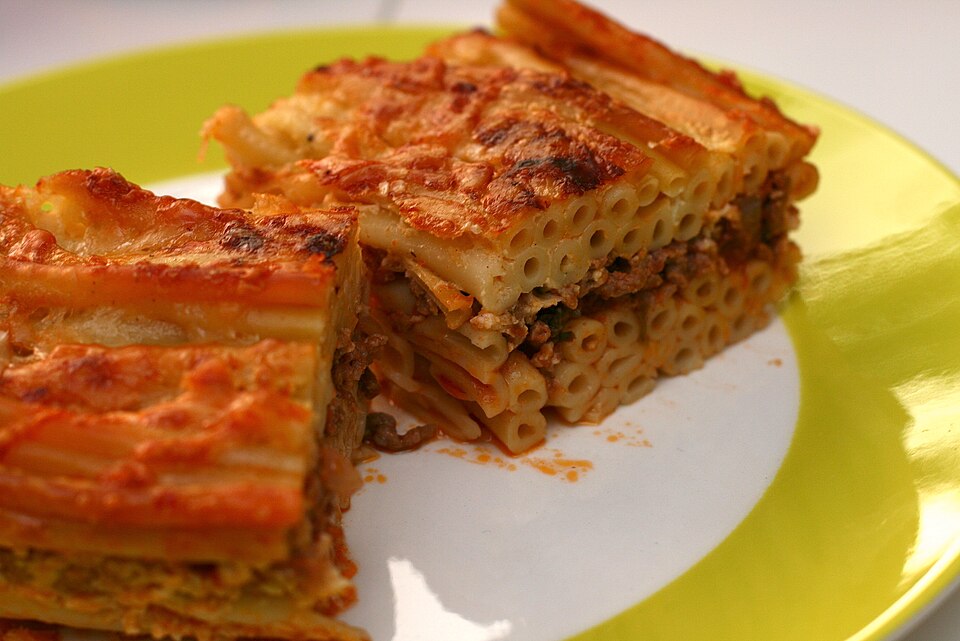
What pasta is traditional with pastitsada?
Bucatini, a thick, hollow pasta, is the classic choice, tossed through the sauce and topped with the meat and a generous amount of grated hard cheese.