Greek Main Courses · Asia Minor · Boiled and Simmered · Name Days
Pontic Greek Wheat and Meat Porridge (Keskek)
Κεσκέκ kes-KEK · Keskek
In short
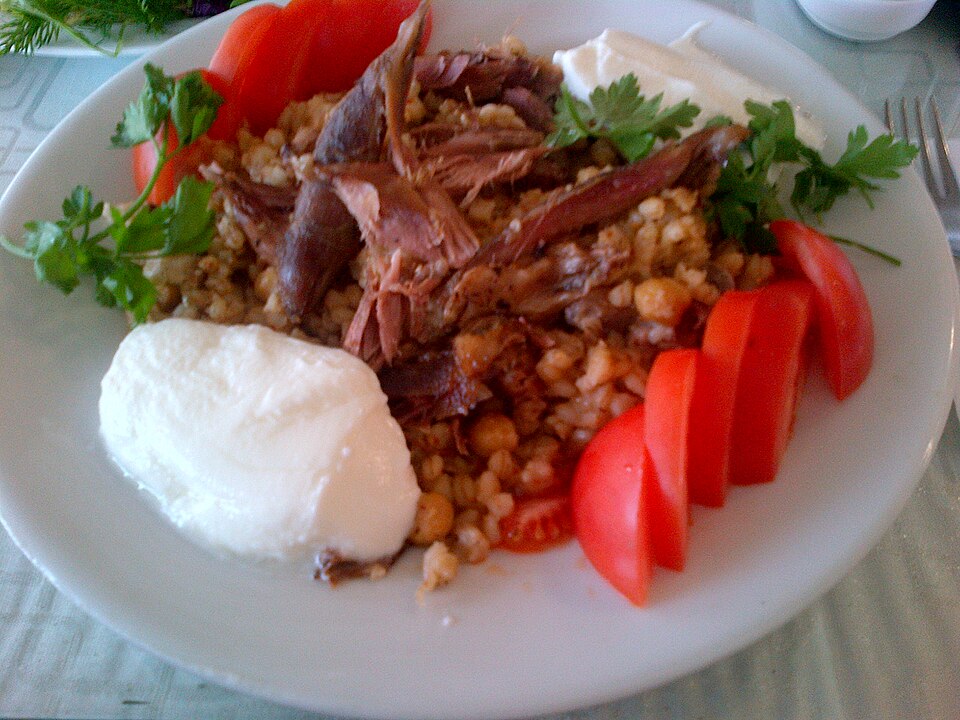
Keskek is a slow-cooked dish of whole wheat berries and meat, usually chicken or lamb, simmered together for many hours until both the wheat and meat break down and can be beaten or shredded into a thick, smooth, porridge-like consistency. It is traditionally made for weddings and celebrations among Pontic Greek communities.
Pontic Greek Wheat and Meat Porridge
- Prep
- 30m
- Cook
- 4h
- Total
- 4h 30m
- Serves
- 8
- Level
- Advanced
Ingredients
Ingredients
Tick ingredients off as you go. Quantities rescale with the buttons above.
Method
- 01Drain the soaked wheat and put it into a large, heavy pot with the meat, onion and water.
- 02Bring to a simmer, cover, and cook gently for 3 to 4 hours, topping up with hot water as needed, until the wheat and meat are both completely soft.
- 03Remove and discard the onion and any bones from the meat.
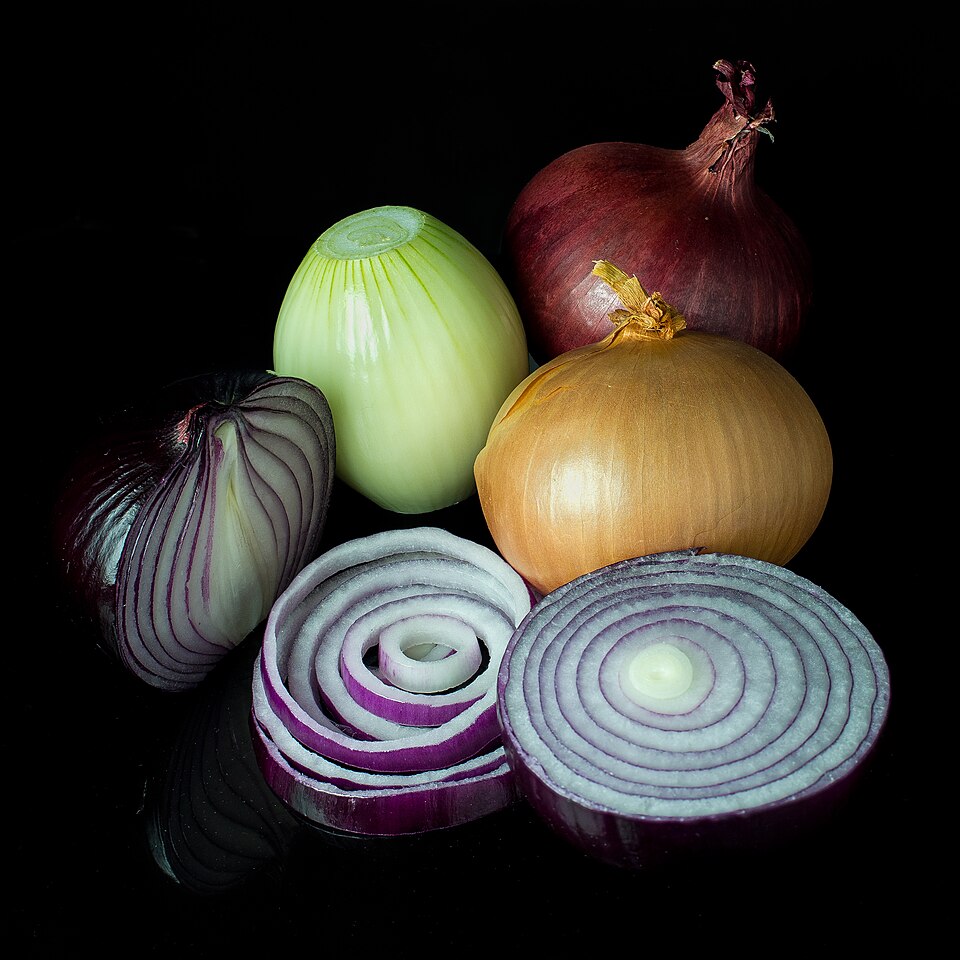
Onion - 04Season with salt, then beat the mixture vigorously with a heavy wooden spoon or a hand mixer for 15 to 20 minutes, until smooth and thick, with the meat fully shredded through.Do not rush the beating stage.Yiayia
- 05Ladle into bowls and serve hot, topped with melted butter and a dusting of paprika or black pepper.
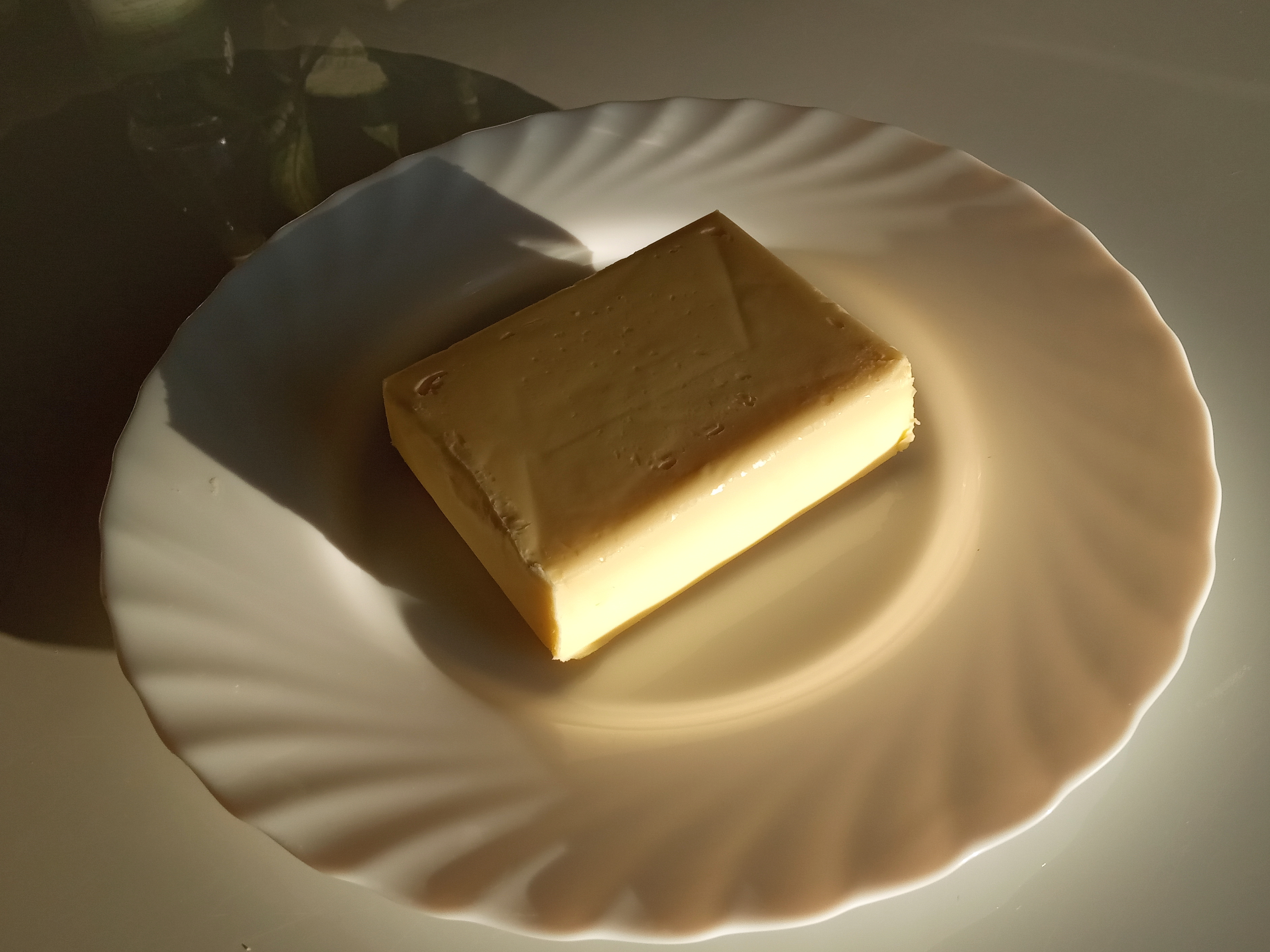
Butter
Nutrition, per 1 portion
- Calories
- 412
- Protein
- 32 g
- Carbs
- 38 g
- Fat
- 15 g
- Sat fat
- 6 g
- Fibre
- 5 g
These figures are calculated estimates based on the ingredients listed, not laboratory analysis. Actual values vary with brands, cuts and portion size.
Keskek is genuinely celebratory food, traditionally made in large quantities for weddings and major festivities among Pontic Greek communities, a dish whose real labour, hours of slow simmering and hand-beating, is itself part of what makes it suited to marking a special occasion rather than an everyday meal.
The technique is a real test of patience: whole wheat berries and meat, usually chicken or lamb, are simmered together for many hours until both genuinely break down, at which point the mixture is beaten vigorously, traditionally by hand with a heavy wooden implement, until it turns into a thick, smooth, almost stretchy porridge with the meat fully shredded through it.
This shared culinary tradition appears, under related names and techniques, across several communities with roots in Asia Minor and the wider region, and keskek's Pontic Greek version carries its own specific place in that broader celebratory food culture.
Key preparation steps
- Soak whole wheat berries overnight.
- Simmer wheat and meat together for many hours.
- Beat vigorously until smooth and shredded through.
- Serve hot, often with melted butter spooned over.
Soaking and starting the simmer
Soak whole wheat berries overnight, then simmer them with bone-in chicken thighs or lamb shoulder, a whole onion, and plenty of water for a genuine three to four hours, topping up with hot water as needed, until both the wheat and meat are completely soft and starting to fall apart on their own.
The beating
Remove any bones, then beat the mixture vigorously with a heavy wooden spoon or a hand mixer, working it for a good fifteen to twenty minutes, until the wheat and shredded meat combine into a thick, smooth, almost stretchy porridge with no separate pieces of wheat or meat left distinct.
Serving
Serve keskek hot, traditionally with a little melted butter or oil spooned over the top and a dusting of paprika or black pepper, in bowls, eaten with a spoon rather than plated like a standard main course.
What matters in this dish
Soak the wheat overnight without fail
Unsoaked wheat berries take considerably longer to soften and may never break down properly within a reasonable cooking time.
Do not rush the beating stage
This is genuinely what turns keskek from a chunky stew into its proper thick, smooth, porridge-like consistency. A shorter beat leaves it lumpy rather than properly combined.
Top up with hot water, not cold
Adding cold water partway through the long simmer slows the cooking down and can toughen the meat rather than helping it along.
Questions people ask about Keskek
What is keskek traditionally served for?
Weddings and major celebrations among Pontic Greek communities, where its long, labour-intensive preparation is itself part of what marks the dish as suited to a special occasion.
Why does keskek need to be beaten after cooking?
The beating is what breaks down the cooked wheat and shredded meat into the dish's characteristic thick, smooth, almost stretchy porridge texture, rather than leaving separate, distinct pieces.
Can keskek be made with a stand mixer instead of by hand?
Yes, a stand mixer with a paddle attachment, or a hand mixer, works well and considerably reduces the physical effort compared with the traditional hand-beating method.