Greek Main Courses · Asia Minor · Greek Stews and Ladera · The Sunday Table
Lamb on Smoked Aubergine Puree (Hunkiar Begienti)
Χουνκιάρ μπεγιεντί hoon-KYAR beh-yen-DEE · Hounkiar begienti
In short
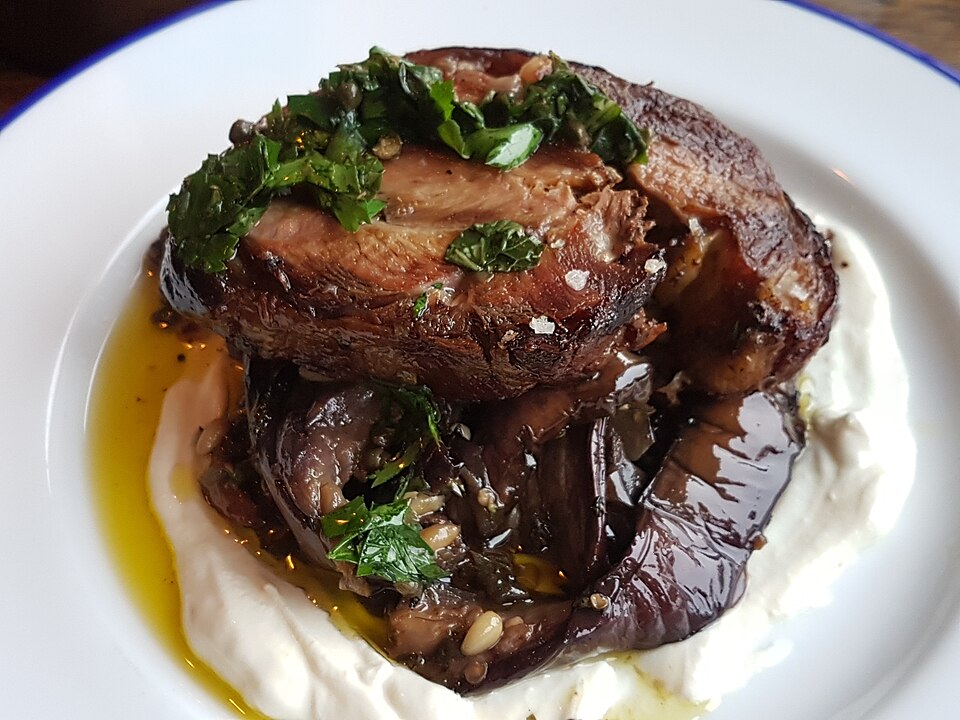
Hunkiar begienti is a dish of Constantinopolitan Greek cooking in which cubes of lamb or veal are stewed slowly with onion and tomato and served over a puree made by folding charred, smoked aubergine flesh into a bechamel enriched with kefalotyri. The smoke from charring the aubergines whole over a flame is the flavour the whole dish rests on.
Lamb on Smoked Aubergine Puree
- Prep
- 30m
- Cook
- 1h 50m
- Total
- 2h 20m
- Serves
- 6
- Level
- Advanced
Ingredients
For the meat
For the aubergine puree
Tick ingredients off as you go. Quantities rescale with the buttons above.
Method
- 01Pat the meat dry and season it. Heat the olive oil in a heavy pot and brown the cubes hard in batches. Set aside.
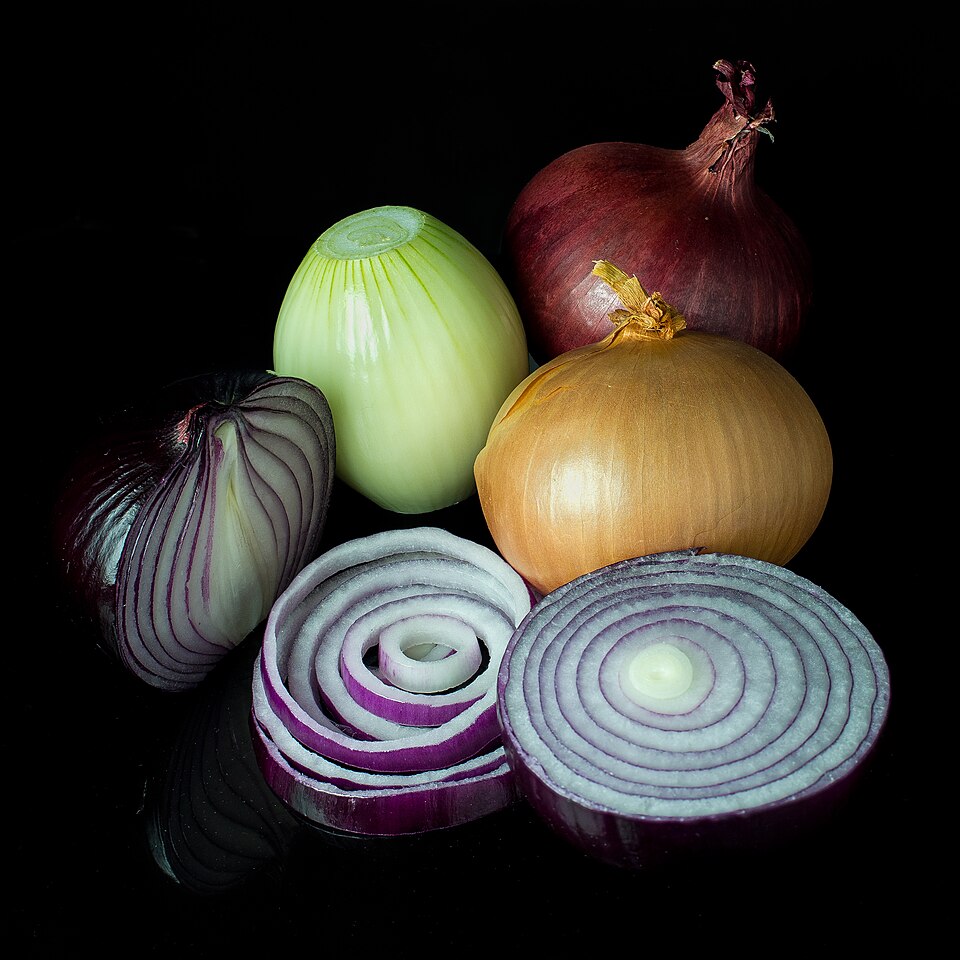
- 02Lower the heat, add the onions to the same pot and cook for 10 minutes until soft. Add the garlic for 1 minute more.
Onion - 03Stir in the tomato paste and cook for 2 minutes, then pour in the wine and let it bubble away for 2 minutes.
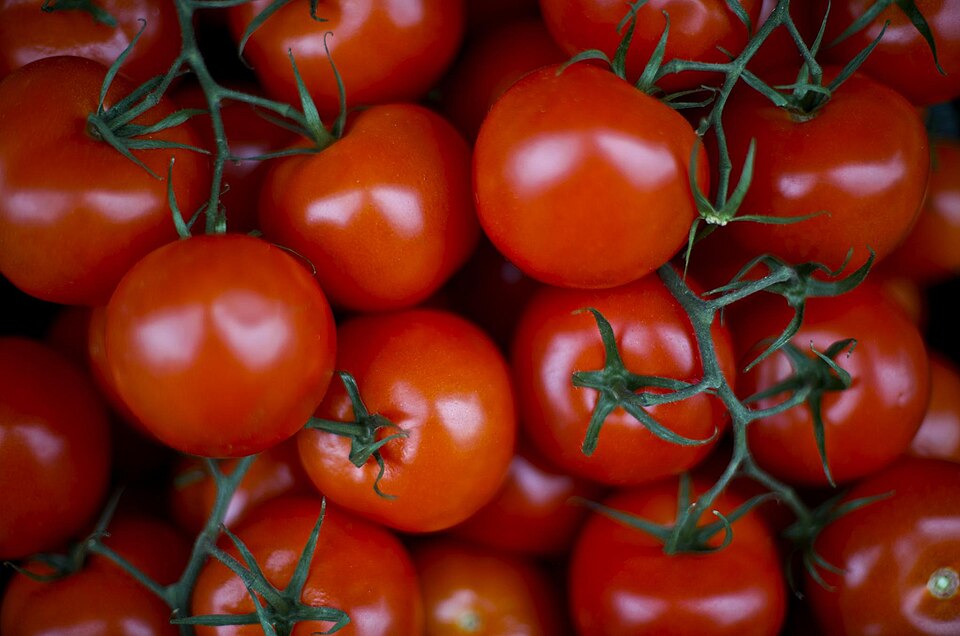
- 04Return the meat, add the chopped tomatoes, bay leaf, cinnamon stick, allspice and hot water. Season, cover and simmer very gently for 90 minutes, until the meat is tender and the sauce thick.
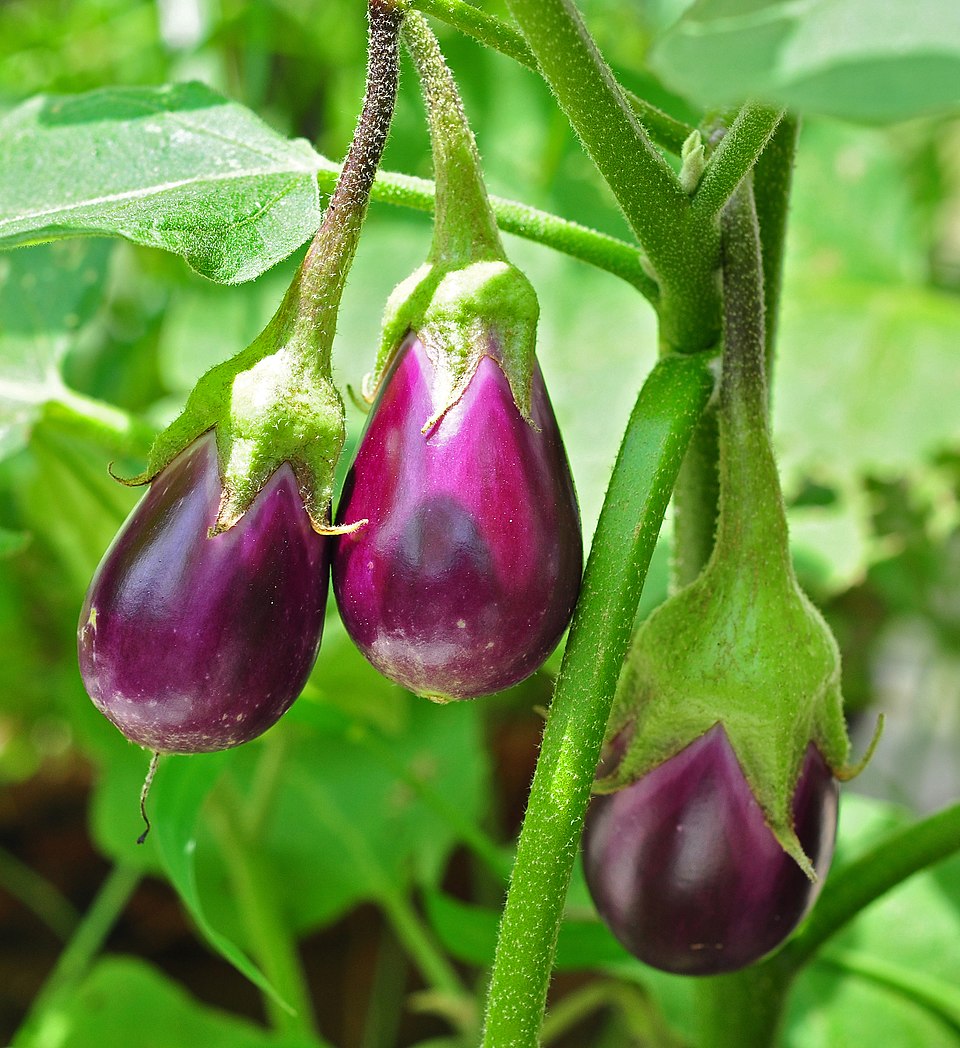
Tomato - 05While it cooks, char the aubergines whole over a gas flame or under a very hot grill, turning, for 12 to 15 minutes until blackened all over and collapsed.
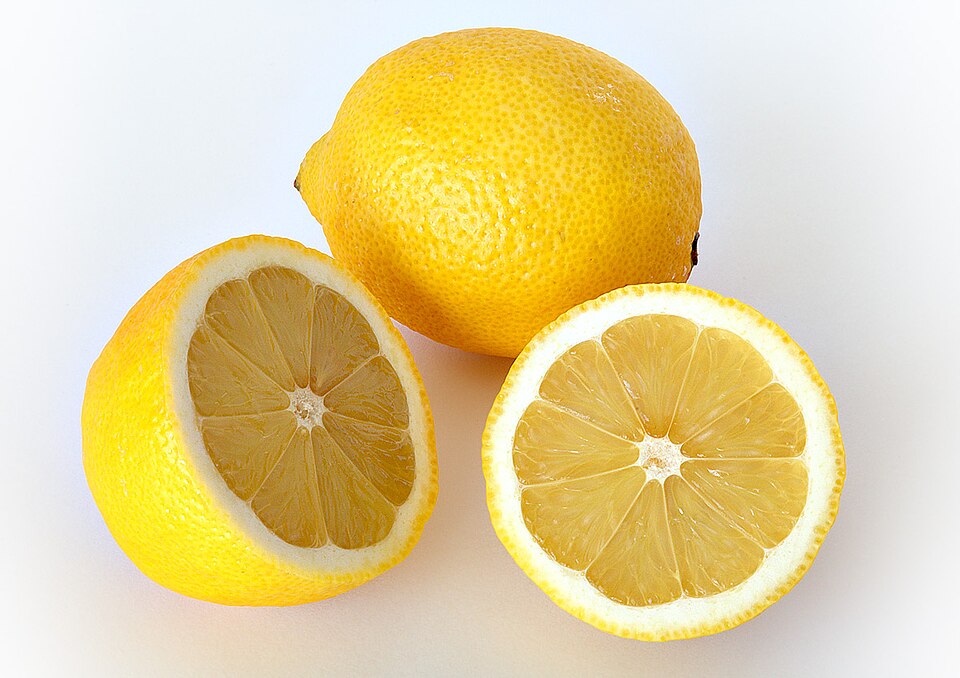
- 06Split them open, scoop the flesh into a bowl, and chop it roughly with a knife, mixing in the lemon juice as you go.
Lemon - 07Melt the butter in a saucepan, stir in the flour and cook for 2 minutes. Add the warm milk gradually, whisking, and cook until thick and smooth.
- 08Beat the aubergine flesh into the bechamel over low heat for 5 minutes, until any extra moisture has gone. Take off the heat and beat in the cheese, nutmeg, salt and white pepper.
Aubergine - 09Spoon the hot puree onto plates, make a well in the centre and pile the meat and its sauce into it. Serve at once.Serve it hot on hot.Yiayia
Nutrition, per 1 portion
- Calories
- 728
- Protein
- 44 g
- Carbs
- 32 g
- Fat
- 46 g
- Sat fat
- 20 g
- Fibre
- 7 g
These figures are calculated estimates based on the ingredients listed, not laboratory analysis. Actual values vary with brands, cuts and portion size.
Hunkiar begienti came to Greece with the refugees of 1922 and has been part of the Politiki repertoire ever since. The name translates roughly as the sultan approved, which tells you where it started, and it remains the most impressive thing in that whole body of cooking.
It is really two recipes served together. On the plate goes a puree of aubergine that has been charred whole until the skin is black, folded into a bechamel with grated kefalotyri, and over it goes lamb that has spent an hour and a half in tomato and onion until it gives way to a spoon.
Everything depends on the charring. Aubergine cooked in an oven gives a sweet, mild puree with no character. Aubergine blackened directly over a flame until the skin collapses tastes of smoke, and that smoke against the rich meat is the entire reason the dish is famous.
Key preparation steps
- Brown the meat hard, then stew it slowly in tomato.
- Char whole aubergines over a flame until collapsed.
- Make a bechamel and beat in the aubergine flesh and cheese.
- Spoon the meat and its sauce over the hot puree.
Lamb or veal?
Both are correct and both are made. Lamb shoulder is the older choice and gives the richer, more assertive result. Veal or beef shin is what most Greek households use now, and it is milder and slightly cleaner against the aubergine.
Whichever you use, buy it on the fatty and gelatinous side and cut it into generous chunks of about four centimetres. Lean cubes dry out over ninety minutes, while shoulder and shin only get better.
How do I char the aubergines properly?
Directly over a gas flame or on a barbecue, turning with tongs, until the skin is blistered black all over and the aubergine has collapsed in on itself. It takes twelve to fifteen minutes and it will make a mess of the hob, which is unavoidable.
Under a grill at maximum, as close to the element as the shelf allows, is the fallback. Turn every few minutes. Whatever you do, do not roast them in the oven: you get soft aubergine with no smoke, and the dish loses the thing that makes it itself.
Why is the puree made with bechamel?
Plain aubergine puree is watery and sags on the plate. Folding it into a bechamel gives it a body that will hold a spoonful of stew on top without collapsing, and the milk and butter round out the smoke.
Make the bechamel first, quite thick, and beat the aubergine flesh into it over low heat so the extra moisture cooks off. Then the grated kefalotyri goes in off the heat, where it melts without splitting.
How do I stop the puree turning grey?
Aubergine flesh discolours fast once exposed to air. Scoop it out while still hot, chop it on a board with a lemon-wetted knife, and get it into the hot bechamel within a couple of minutes.
A squeeze of lemon juice into the flesh as you chop keeps it pale, and it also lifts the finished puree. Do not blend it smooth in a processor, incidentally: the texture should be slightly rough, and a machine makes it gluey.
What matters in this dish
Char, do not roast
Direct flame on the skin is what produces the smoke that defines this dish. An oven gives you soft sweet aubergine and a puree that could be anything.
Drain the aubergine flesh
Let the scooped flesh sit in a sieve for five minutes before it goes into the bechamel. Aubergine holds a surprising amount of bitter liquid and it thins the puree.
Serve it hot on hot
The puree stiffens as it cools and the meat sauce sets. Have both ready at the same time and plate immediately, warming the plates if you can.
Questions people ask about Hounkiar begienti
What does hunkiar begienti mean?
It translates roughly as the sultan approved, or the sultan's delight, and it points to the dish's origins in the Ottoman palace kitchens. It reached Greece with the Greeks of Constantinople and Asia Minor and became a standard of Politiki cooking.
Can I make the puree without bechamel?
You can beat the charred flesh with olive oil, lemon and garlic instead, which gives something closer to melitzanosalata. It is a good dish but not this one, since the bechamel is what gives the puree the body to hold the stew.
Can either part be made ahead?
The meat is better made a day ahead and reheated. The puree should be made fresh, since bechamel-based purees go stiff and grainy in the fridge and never quite recover.
What is served alongside?
Very little, because the dish already carries its own starch. A sharp green salad or a plate of horta with lemon is all it needs, plus bread for the sauce.