Greek Main Courses · The Cyclades · Greek Stews and Ladera · Taverna Night
Greek Lobster with Pasta (Astakomakaronada)
Αστακομακαρονάδα ah-stah-koh-mah-kah-roh-NAH-thah · Astakomakaronada
In short
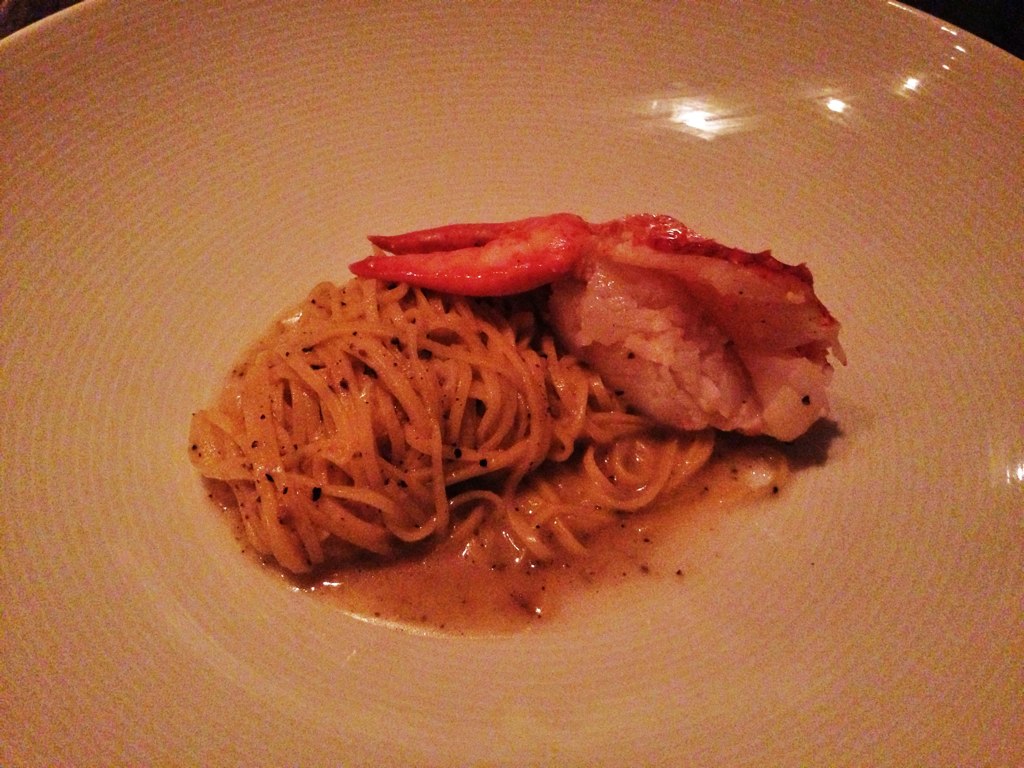
Astakomakaronada is lobster braised in a rich tomato sauce, often lifted with a splash of ouzo, then tossed with long pasta that soaks up the sauce. It is a genuine showpiece dish of the Cyclades, particularly associated with Mykonos, where it appears on nearly every seaside taverna menu.
Lobster with Pasta
- Prep
- 30m
- Cook
- 45m
- Total
- 1h 15m
- Serves
- 4
- Level
- Intermediate
Ingredients
Ingredients
Tick ingredients off as you go. Quantities rescale with the buttons above.
Method
- 01Heat the olive oil in a wide, deep pan. Cook the onion for 8 minutes, until soft, then add the garlic and cook for 1 minute.
- 02Add the ouzo and let it bubble for 1 minute, cooking off the harshest alcohol.

Ouzo - 03Add the tomatoes and sugar, season, and simmer for 25 to 30 minutes, until rich and thickened.
- 04Add the lobster pieces to the sauce and simmer gently for 8 to 10 minutes, until the shell is bright red and the meat is just cooked through.
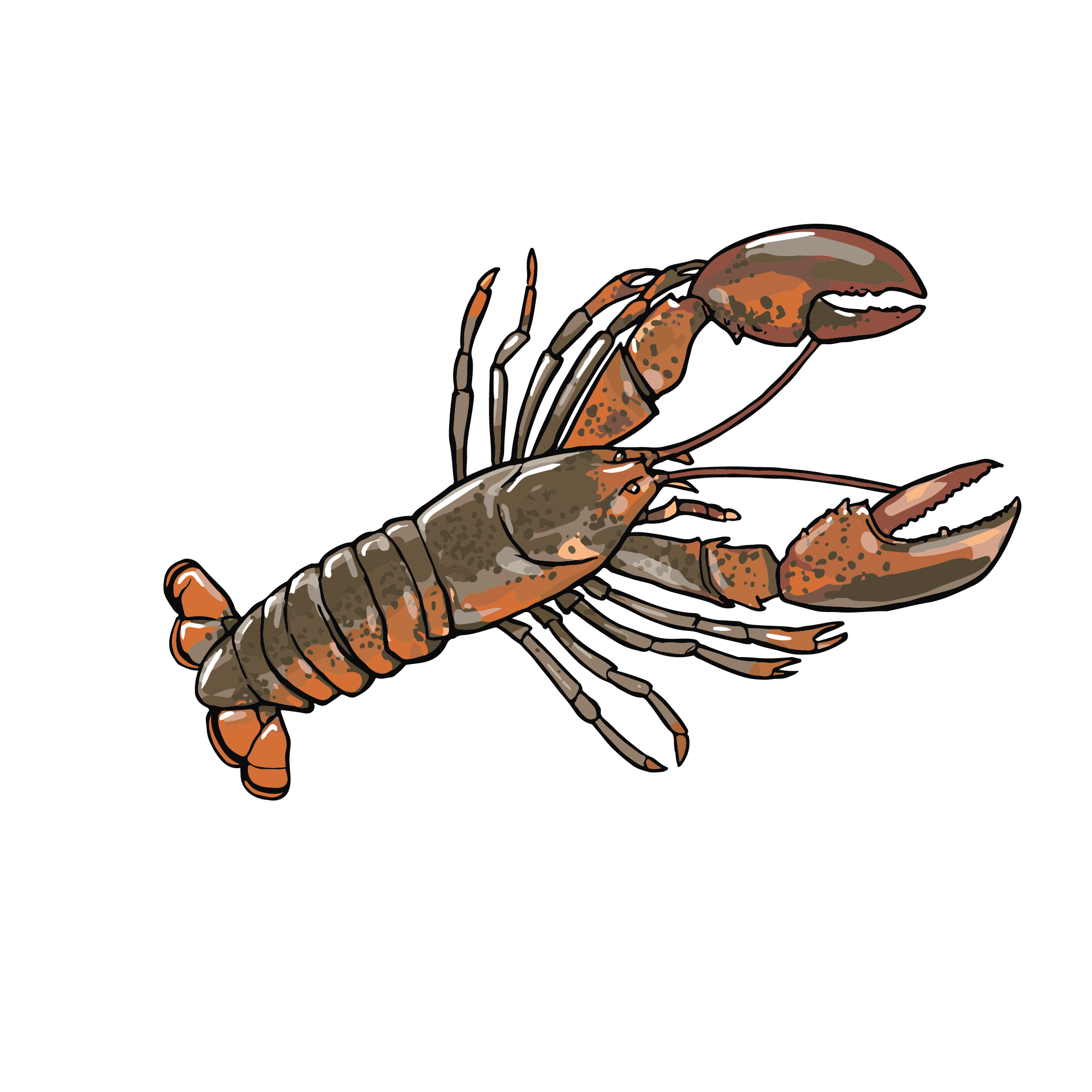
Lobster Do not overcook the lobster.Yiayia - 05Meanwhile, cook the pasta in well-salted water until al dente. Drain, reserving a little pasta water.
- 06Toss the drained pasta through the tomato sauce, loosening with a splash of pasta water if needed, and gently fold in or arrange the lobster on top.
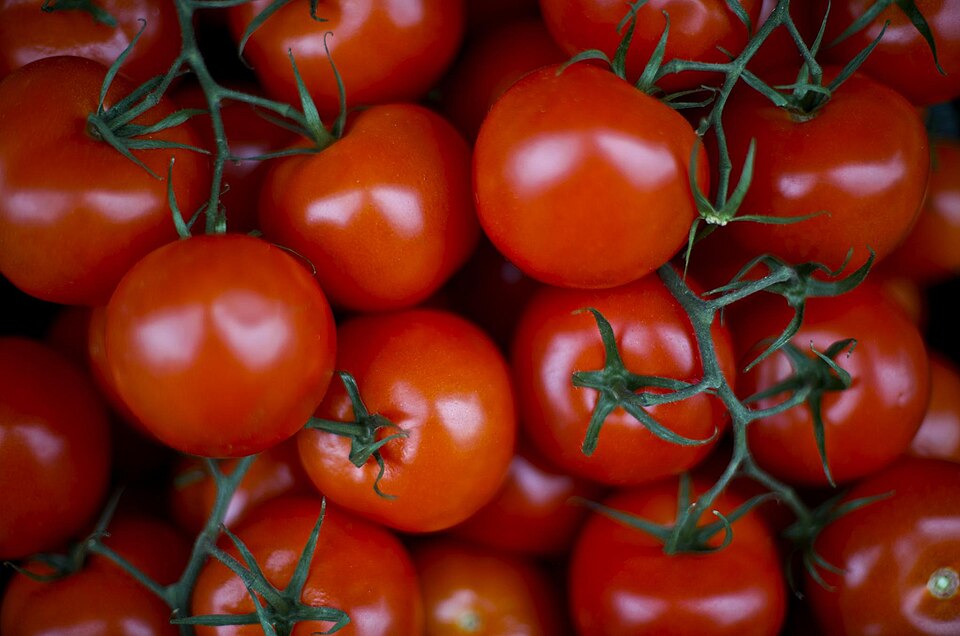
Tomato - 07Scatter with chopped parsley and serve immediately.
Nutrition, per 1 portion
- Calories
- 586
- Protein
- 34 g
- Carbs
- 68 g
- Fat
- 20 g
- Sat fat
- 3 g
- Fibre
- 4 g
These figures are calculated estimates based on the ingredients listed, not laboratory analysis. Actual values vary with brands, cuts and portion size.
Astakomakaronada, its name simply fusing astakos, lobster, with makaronada, pasta, is exactly what it sounds like and considerably more than the sum of those two words suggests: lobster braised until tender in a genuinely rich tomato sauce, often given real lift with a splash of ouzo, tossed through long pasta that does the crucial job of soaking up all that sauce.
It has become something of a signature dish of the Cyclades, and Mykonos in particular, where its price on any given taverna menu tends to track the cost of lobster that season rather directly, but the version made at home can use a smaller, more affordable lobster or even langoustines with excellent results.
The technique splits into two stages done mostly in parallel, a proper tomato sauce built with real patience, and the lobster itself, which needs comparatively little direct cooking time to avoid turning tough and rubbery.
Key preparation steps
- Split and prepare the lobster.
- Build a rich tomato sauce with a splash of ouzo.
- Braise the lobster gently in the sauce until just cooked through.
- Toss with cooked pasta and serve immediately.
Preparing the lobster
A live or fresh whole lobster, split lengthways and the claws cracked, is traditional, though a fishmonger will often do this preparation for you on request. Frozen lobster tails, thawed, are a more accessible and entirely reasonable substitute for a home cook, needing only to be cut into portion-sized pieces.
The tomato sauce
Cook onion and garlic in a generous amount of olive oil until soft, then add a splash of ouzo, letting it bubble and burn off its harshest alcohol, before adding tinned or fresh tomato and simmering for twenty-five to thirty minutes until rich and thickened. This base needs real patience, since a thin, underdeveloped sauce is exactly what this dish should not have.
Cooking the lobster and finishing
Add the lobster pieces to the finished sauce and simmer gently for just eight to ten minutes, until the shell has turned bright red and the meat is just cooked through, since lobster turns tough and rubbery quickly if left too long in a hot sauce. Cook long pasta, such as linguine or spaghetti, separately in well-salted water, then toss it directly through the tomato sauce, keeping the lobster pieces on top or gently folded through, and serve immediately.
What matters in this dish
Do not rush the tomato sauce
A full twenty-five to thirty minutes is what gives it the rich, concentrated depth this showpiece dish needs.
Do not overcook the lobster
It turns tough and rubbery quickly. Eight to ten minutes in the simmering sauce is genuinely enough once it goes in.
Frozen lobster tails are a practical substitute
A whole fresh lobster is traditional, but tails give an excellent result with far less preparation.
Questions people ask about Astakomakaronada
Why is astakomakaronada associated with Mykonos?
It has become something of a signature showpiece dish across the Cyclades, and Mykonos in particular, appearing on nearly every seaside taverna menu there, often at a price that tracks the season's lobster cost.
Can you make this dish with a cheaper substitute for lobster?
Yes, frozen lobster tails or even large langoustines both work well and are considerably more accessible than a whole fresh lobster.
Why add ouzo to the sauce?
It gives real aromatic lift to the tomato base, its aniseed note cooking off its harshest alcohol while leaving a subtle background flavour that plays well against the seafood.