
Spices
Nutmeg
Μοσχοκάρυδο · Moschokarydo
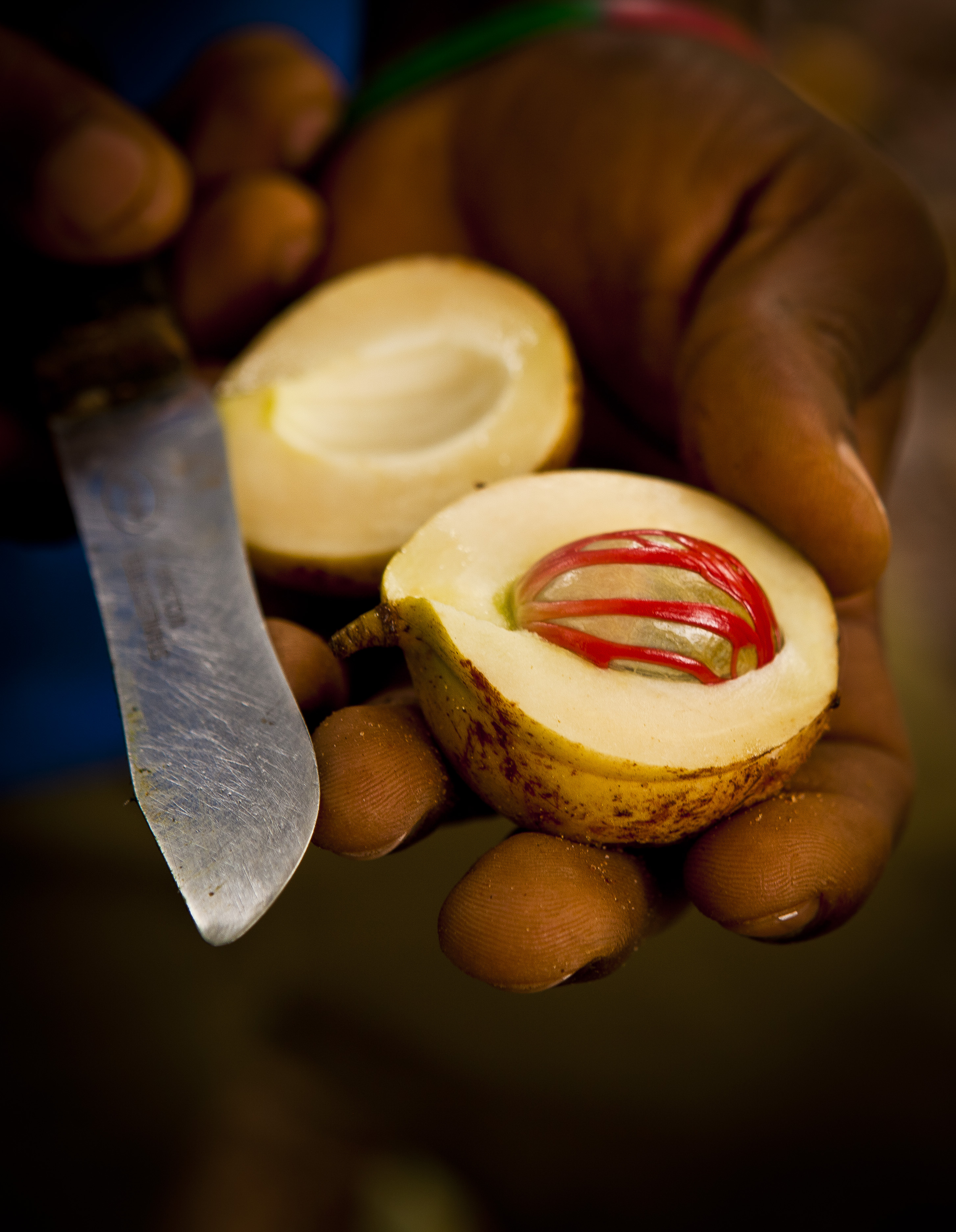
Nutmeg's Greek name, moschokarydo, translates roughly as musk nut, and the spice arrived through the same eastern trade that brought cinnamon and cloves into Greek kitchens. Its main role is narrow but non-negotiable: it seasons the bechamel that tops moussaka and pastitsio, and a bechamel made without it tastes like plain thickened milk rather than the sauce those two dishes are supposed to carry.
Beyond bechamel it turns up in small quantities in minced meat fillings, in cheese pies, and in some festive baking, always as a background warmth alongside cinnamon rather than a flavour anyone should be able to name. Greek recipes often pair it with white pepper for exactly this reason, both seasoning the sauce without announcing themselves or marking a pale bechamel with visible flecks.
Buy whole nutmegs rather than ground. A whole nut keeps its aroma for years and grates in seconds on the fine side of a grater, while a jar of ground nutmeg is noticeably weaker after a few months. It is also the spice most easily overdone here: a heavy hand turns bechamel bitter and faintly medicinal, and large quantities of nutmeg are genuinely unpleasant rather than simply strong.
Recipes with nutmeg
10 recipes on the site using it.
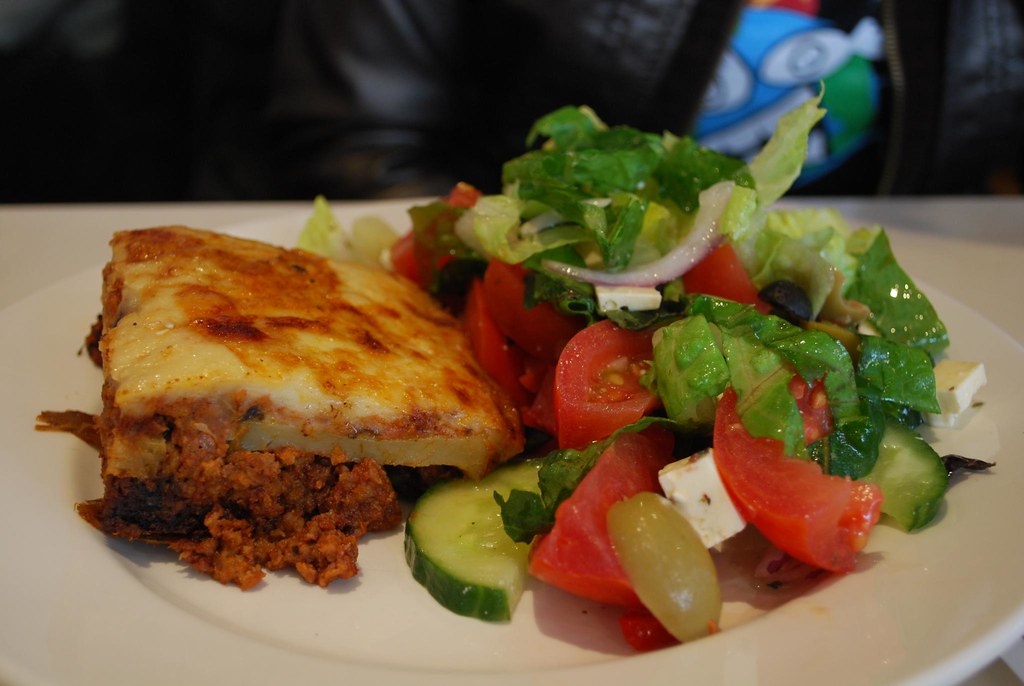 MoussakaMousakas ΜουσακάςMain Courses · 1h 55m · serves 8
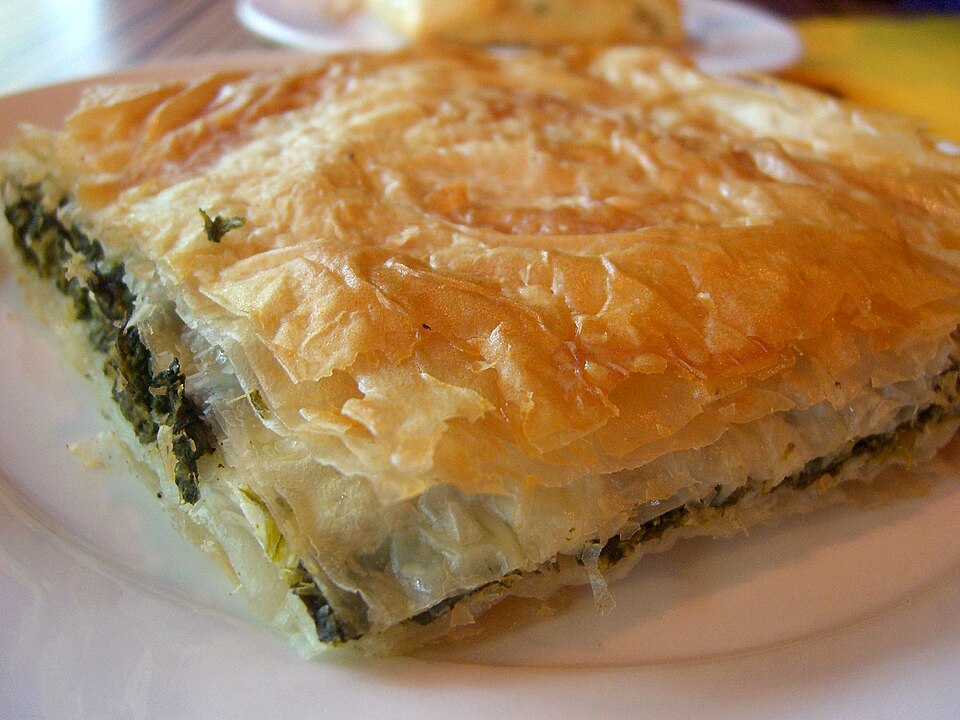 SpanakopitaSpanakopita ΣπανακόπιταBreads and Pies · 1h 30m · serves 8
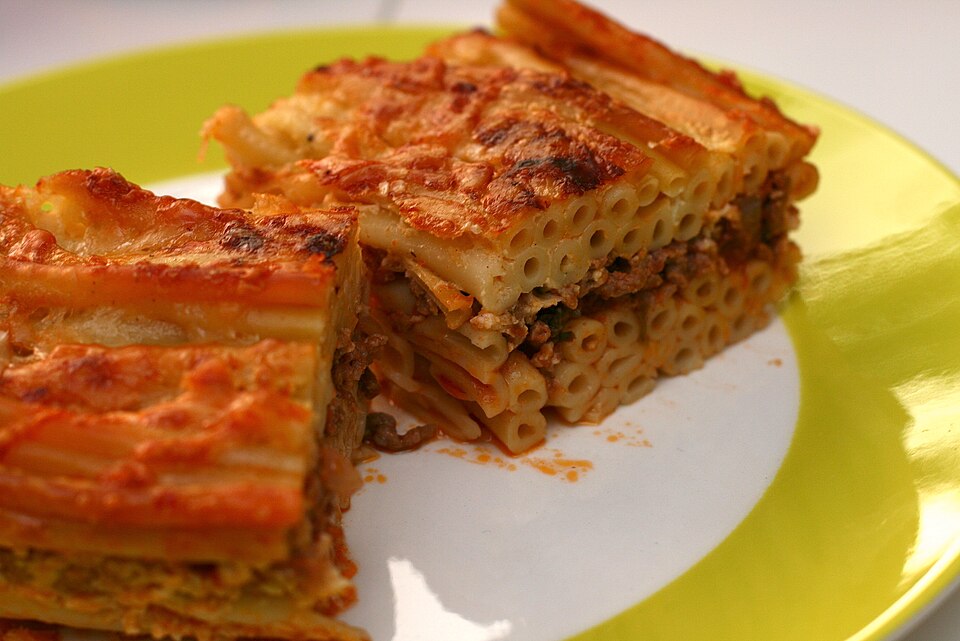 PastitsioPastitsio ΠαστίτσιοMain Courses · 1h 40m · serves 8
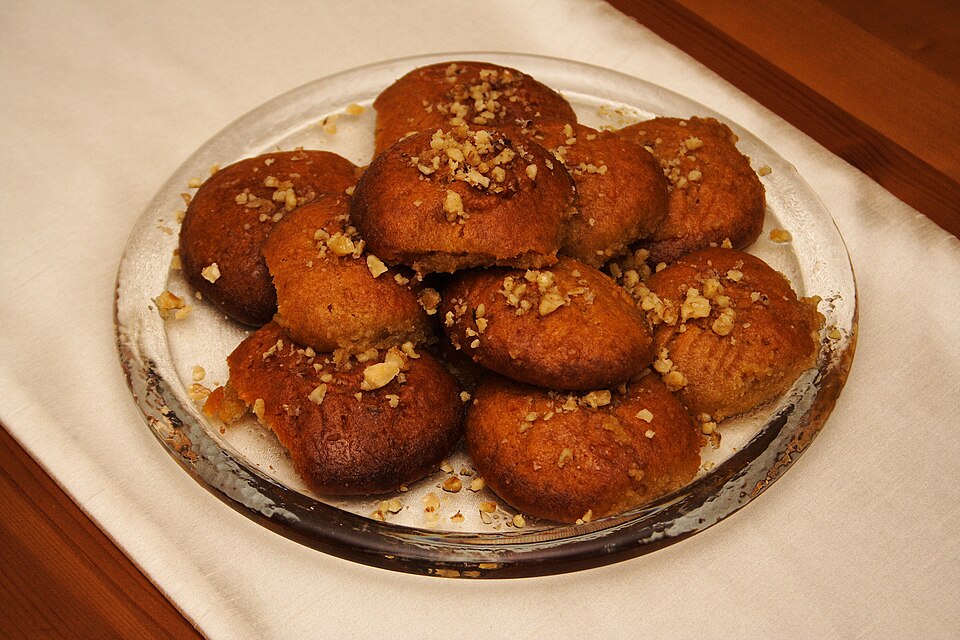 MelomakaronaMelomakarona ΜελομακάροναDesserts · 1h 5m · serves 30
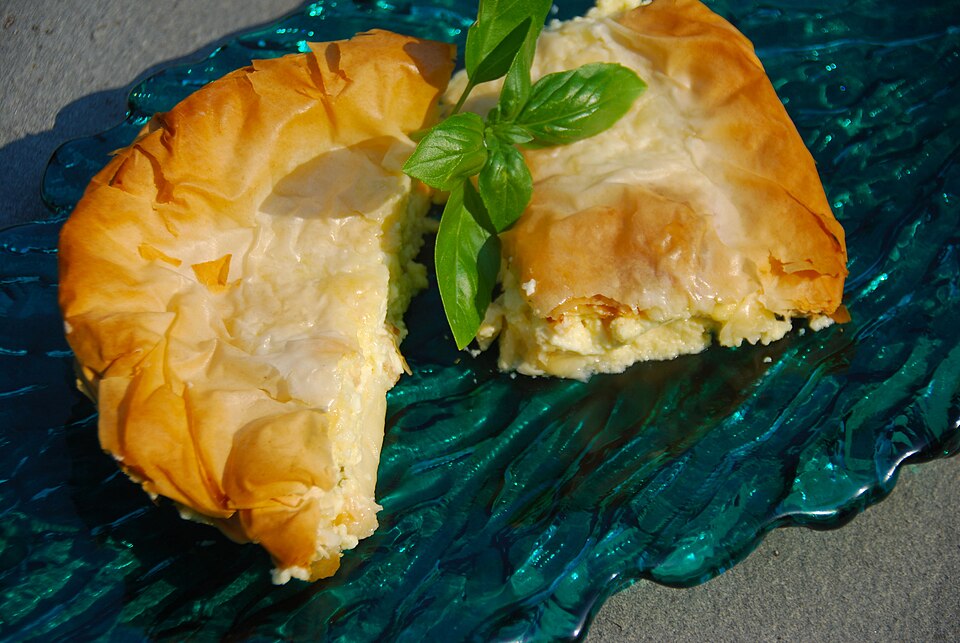 TiropitaTiropita ΤυρόπιταBreads and Pies · 1h 15m · serves 8
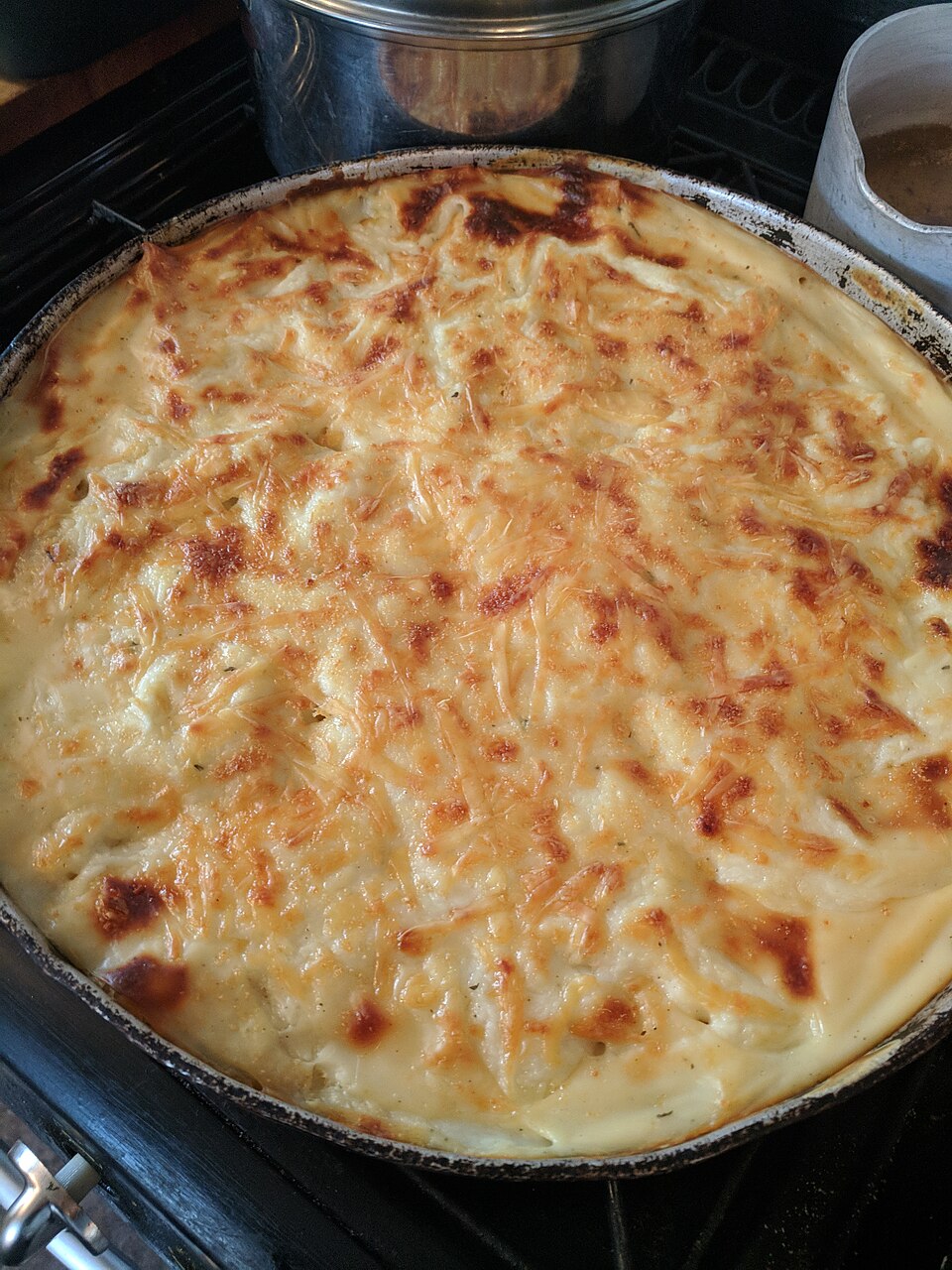 Cypriot Baked MacaroniMakaronia tou fournou Μακαρόνια του φούρνουMain Courses · 1h 35m · serves 8
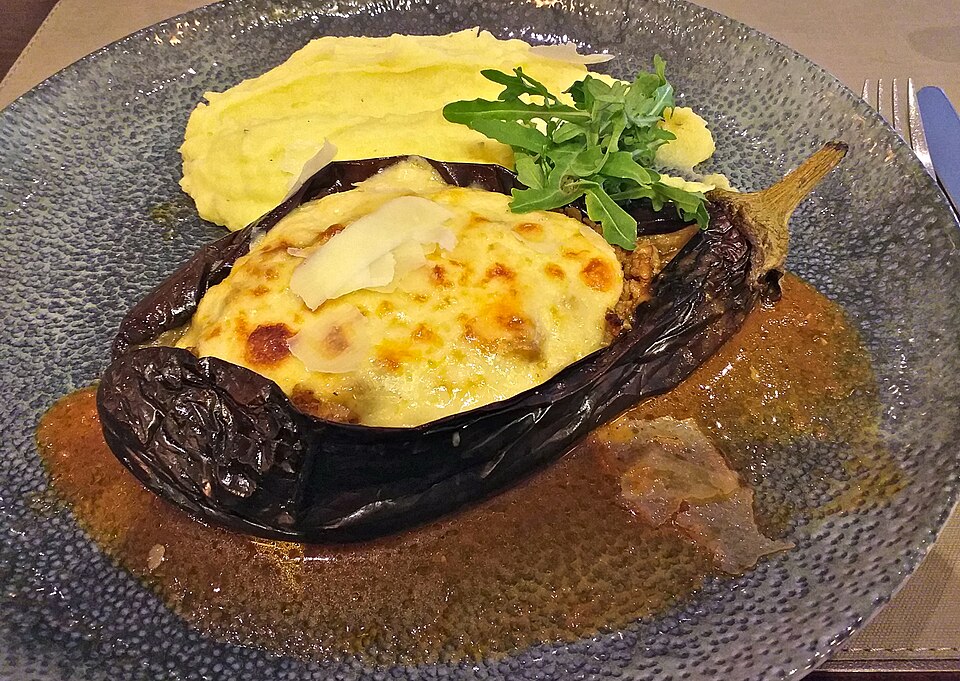 Stuffed Aubergine "Little Shoes"Papoutsakia ΠαπουτσάκιαMain Courses · 1h 30m · serves 6
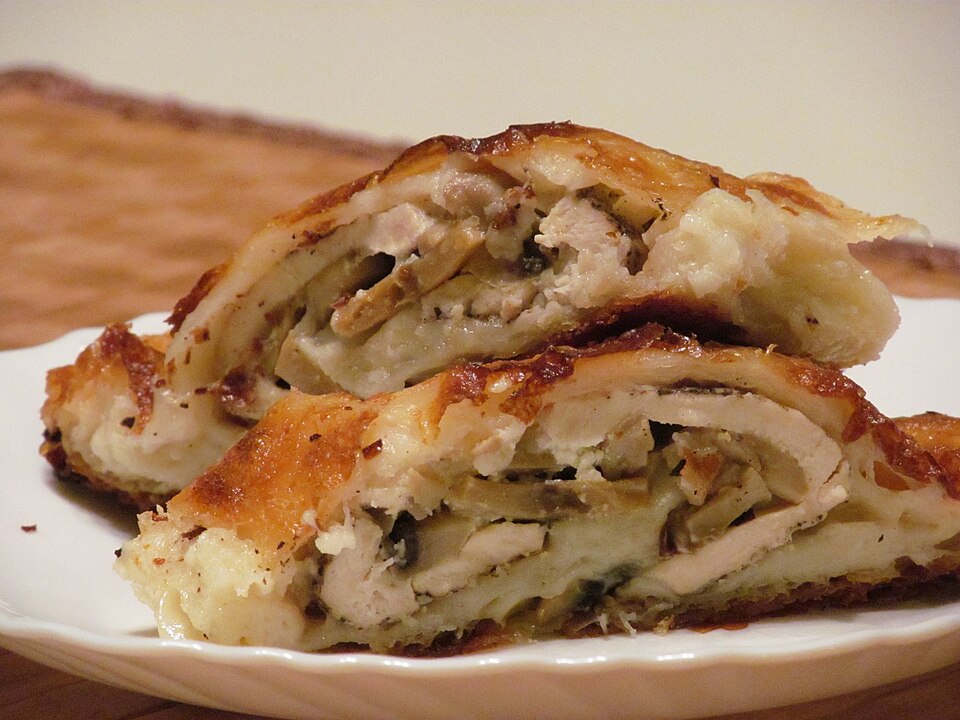 Chicken Pie in PhylloKotopita ΚοτόπιταBreads and Pies · 1h 30m · serves 8
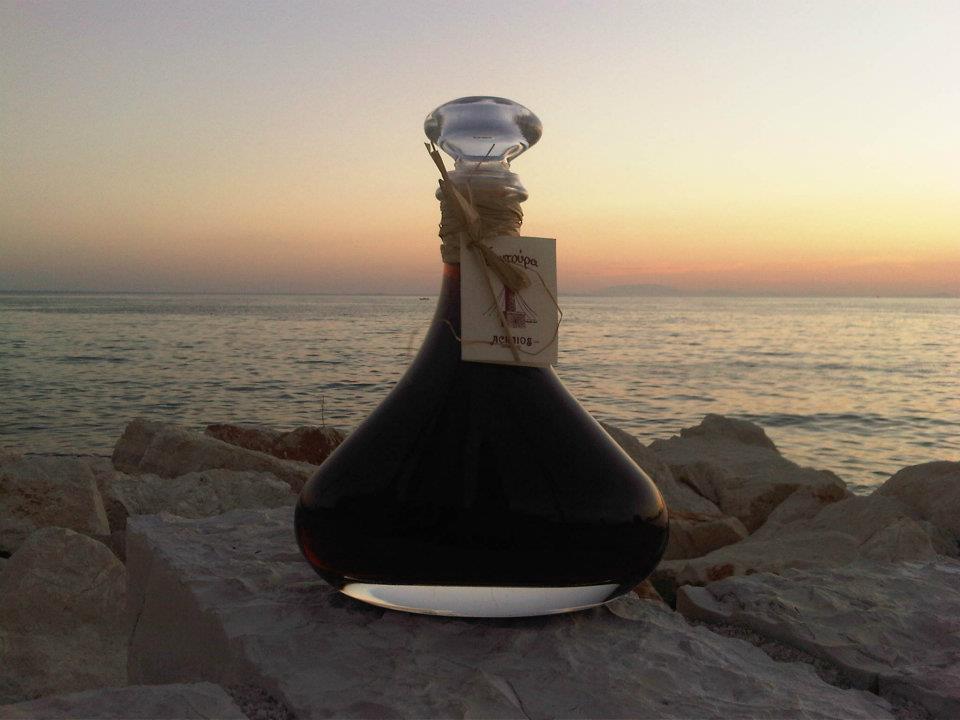 Patras Cinnamon and Clove LiqueurTentoura ΤεντούραDrinks · 45m · serves 20
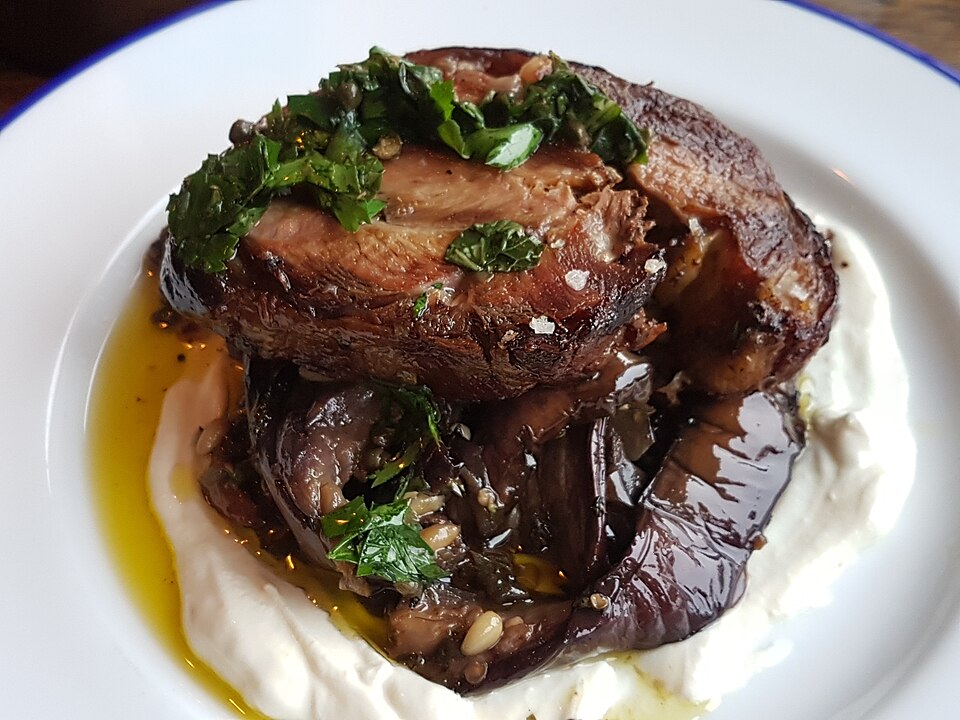 Lamb on Smoked Aubergine PureeHounkiar begienti Χουνκιάρ μπεγιεντίMain Courses · 2h 20m · serves 6
Get one proper Greek recipe a week
No round-ups, no filler, no fifteen-ingredient shortcuts. One dish, written out in full, with the reasoning included.
The signup form is not connected yet, so there is nothing here that would quietly lose your address. Email contact@kalliopiskitchen.com and you go on the list by hand.