
Meat and Poultry
Veal
Μοσχάρι · Moschari
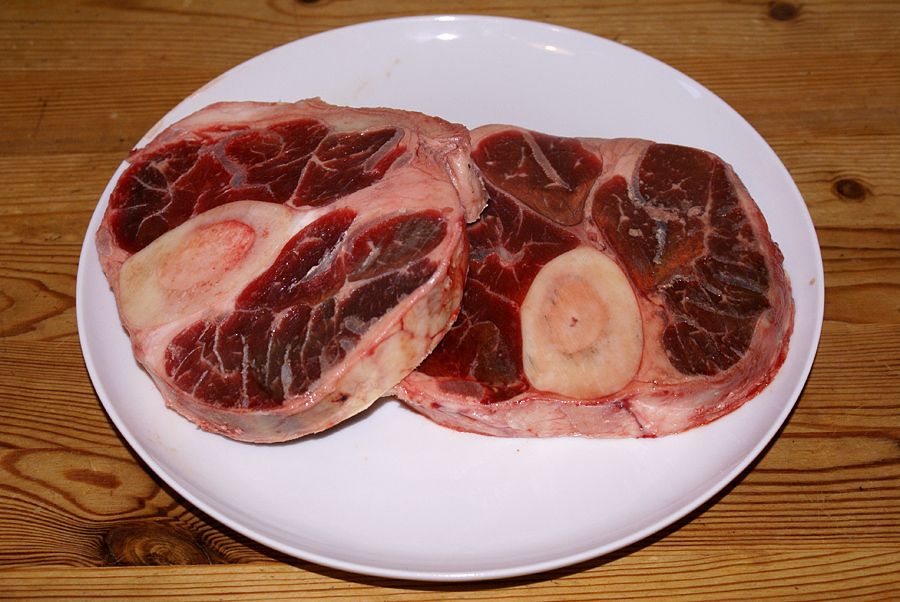
Moschari is the word that causes most of the confusion here. It covers what a British butcher would call young beef rather than the pale, milk-fed veal of French cooking, and it is what most Greek butchers actually sell: pink, full-flavoured meat from an animal under a year old. A Greek recipe calling for moschari is usually satisfied by either braising beef or veal shoulder.
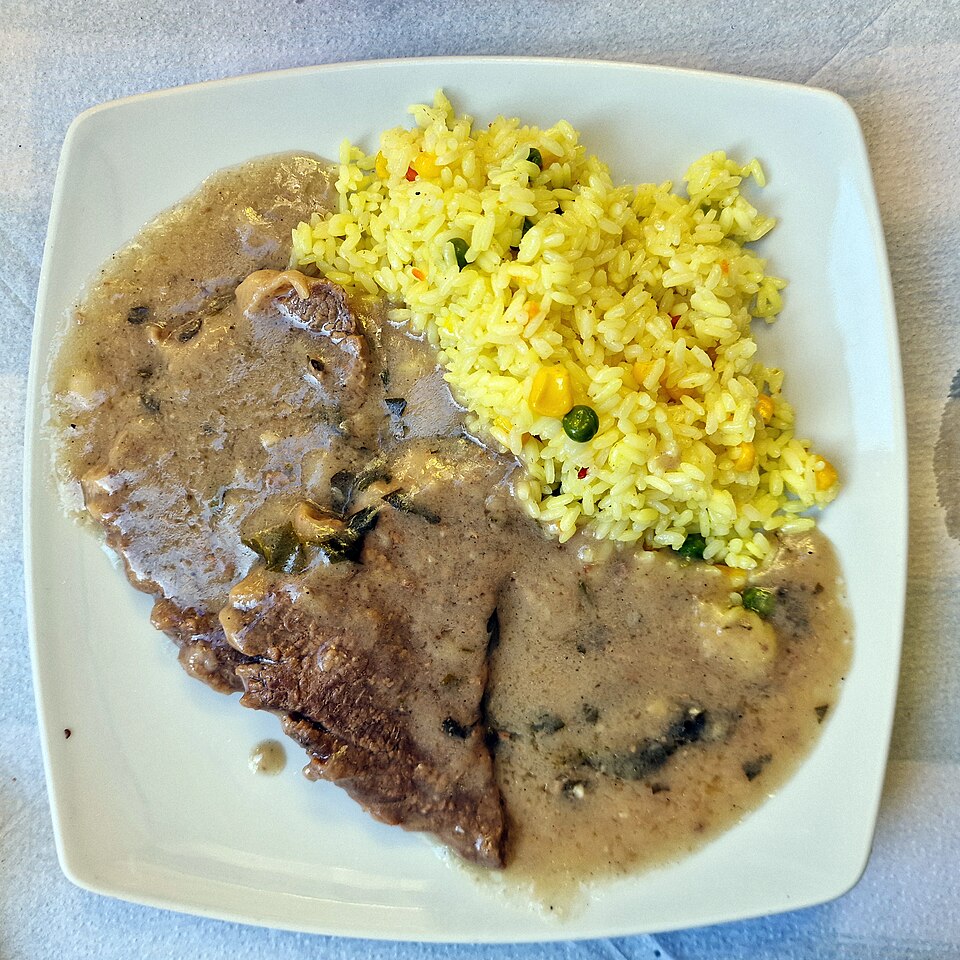
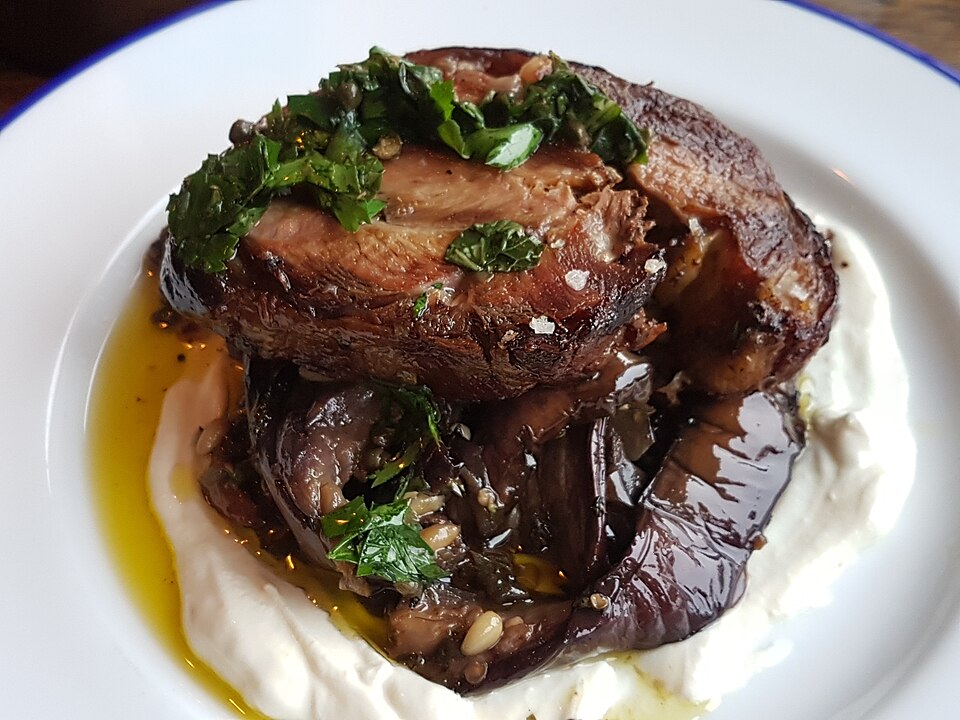
Corfu's sofrito is the dish that genuinely wants the thinner, paler cut. Escalopes are beaten out to a few millimetres, floured, browned quickly and then braised in white wine, vinegar, a great deal of garlic and chopped parsley, with no tomato in it anywhere, which is a Venetian rather than an Ottoman inheritance. Veal shin also stands in for lamb in hunkiar begienti, served over smoked aubergine puree.
Buying is simple enough if the cuts are judged by behaviour rather than name. Shoulder and shin carry the collagen a long braise needs and behave much like beef chuck. Escalopes have none of it, and the only real risk with them is time: a couple of minutes a side is enough, and one left to simmer on goes from tender to grey and tight very quickly.
Recipes with veal
3 recipes on the site using it.
Get one proper Greek recipe a week
No round-ups, no filler, no fifteen-ingredient shortcuts. One dish, written out in full, with the reasoning included.
The signup form is not connected yet, so there is nothing here that would quietly lose your address. Email contact@kalliopiskitchen.com and you go on the list by hand.