
Fruits
Currants
Κορινθιακή σταφίδα · Korinthiaki Stafida
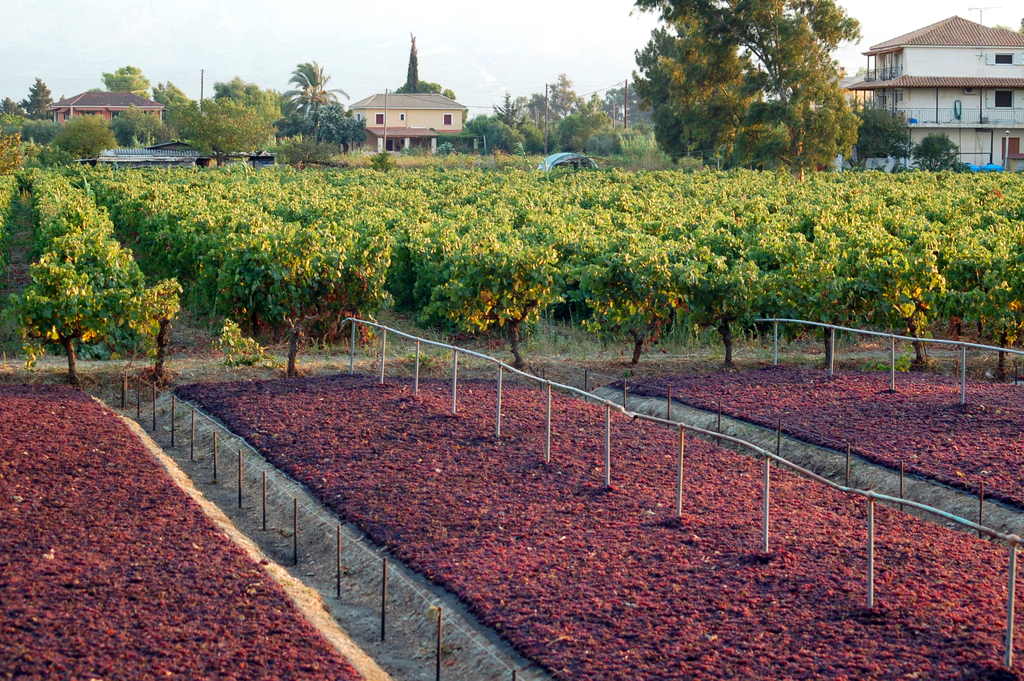
The English word currant comes from the Greek fruit rather than the other way round: medieval traders sold these tiny dried grapes as raisins of Corauntz, meaning raisins of Corinth, and the name stuck to the fruit long after it stopped travelling only from the Gulf of Corinth. The Vostizza currant, grown around Aigio in the northern Peloponnese, still carries a protected designation.
Currants were Greece's biggest export for much of the nineteenth century, and when the European market for them collapsed in the 1890s the effect on the country was severe enough to help drive a wave of emigration. That history sits behind their steady, unglamorous presence in the cooking rather than any special status at the table.
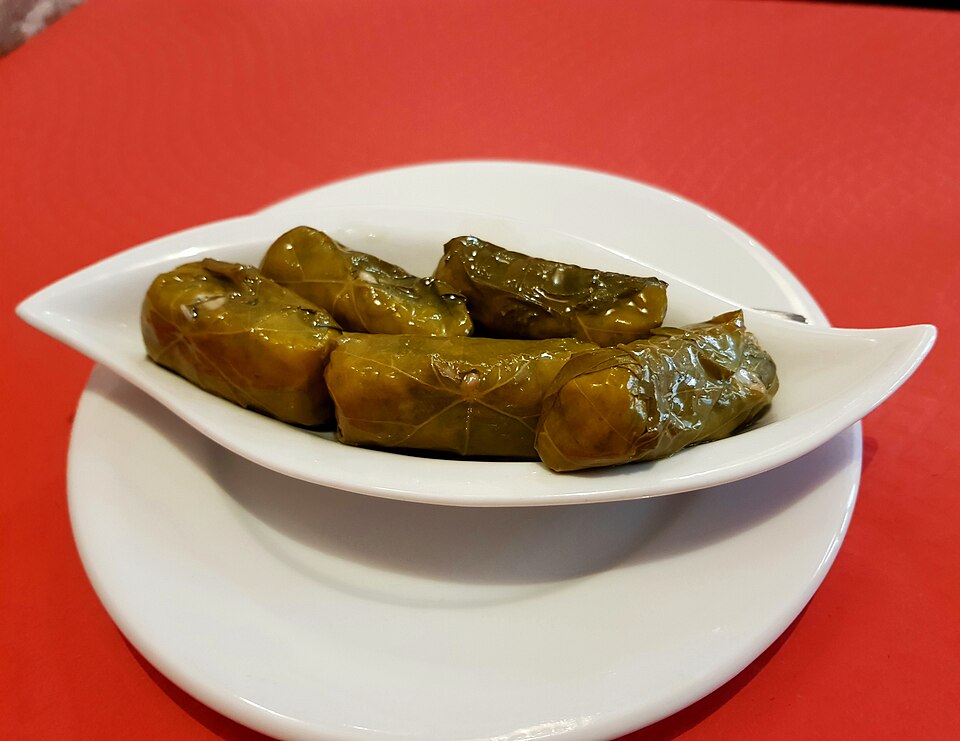
In the kitchen they supply small points of sweetness against something sharp or savoury. Corfiot savoro relies on them to stop the vinegar dominating the fried fish, and they turn up with pine nuts in dolmades fillings and rice dishes with Constantinople roots. They are smaller, drier and sharper than raisins, so swapping raisins in gives a noticeably sweeter, softer result.
Recipes with currants
2 recipes on the site using it.
Get one proper Greek recipe a week
No round-ups, no filler, no fifteen-ingredient shortcuts. One dish, written out in full, with the reasoning included.
The signup form is not connected yet, so there is nothing here that would quietly lose your address. Email contact@kalliopiskitchen.com and you go on the list by hand.