
Fruits
Apricot
Βερίκοκο · Verikoko
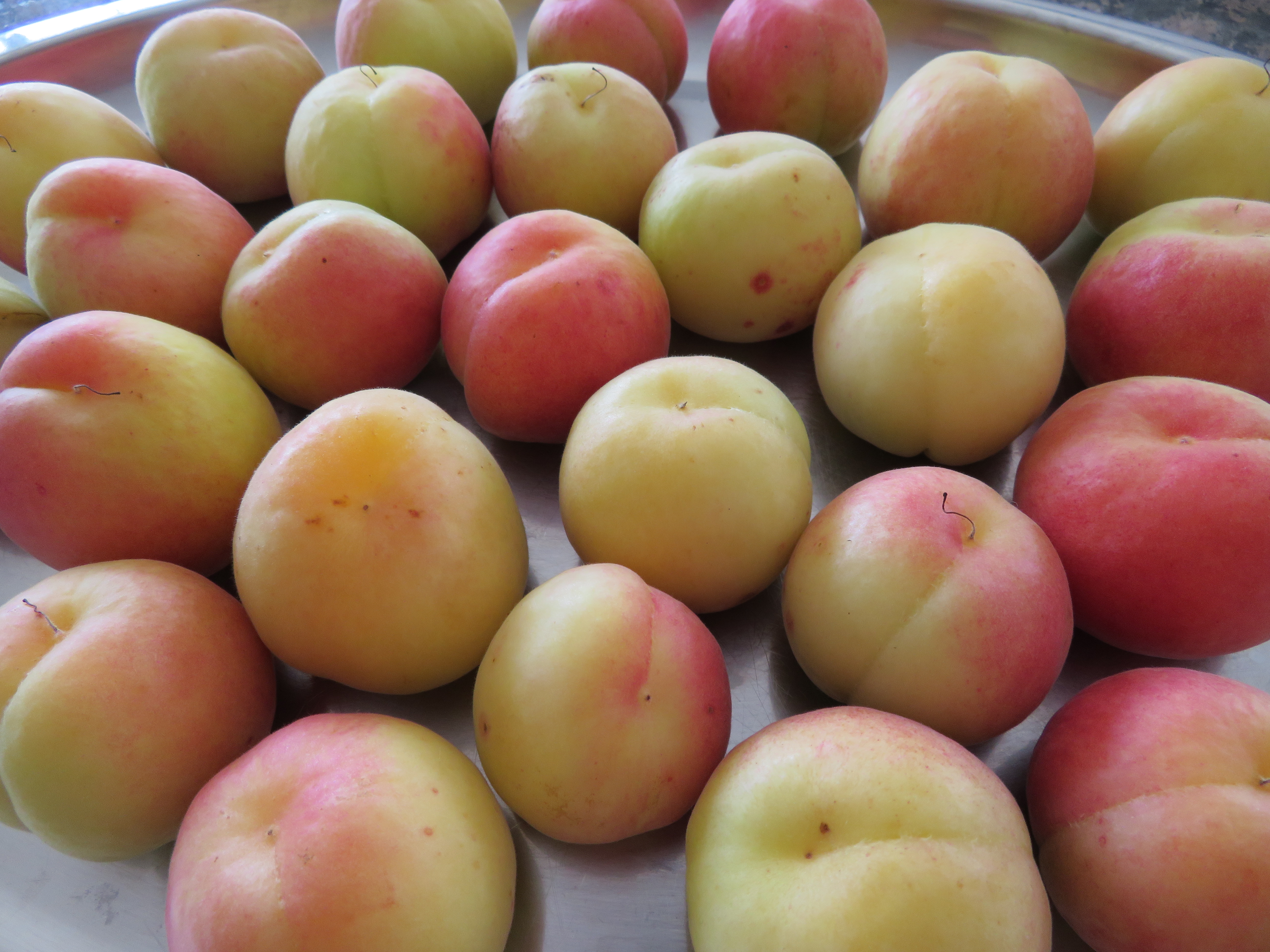
Apricots have one of the shortest seasons of any Greek fruit, a few weeks from late May into July, and that brevity is the reason so much of the crop ends up preserved rather than eaten fresh. Nafplio and the wider Argolida plain in the Peloponnese have a long tradition of apricot growing, and the region is closely associated with the preserving that follows each harvest.
Verikoko glyko is the standard treatment, apricot halves candied slowly in a light sugar syrup with lemon and often a single clove until they turn glossy and translucent, then jarred in their own syrup and served by the spoonful with coffee or over thick yogurt. The rest of the crop goes into jam, or is simply eaten straight from the tree while it lasts.
For preserving, buy fruit that is firm and slightly underripe, since fully ripe apricots collapse into jam the moment they meet hot syrup. Apricots soften after picking but do not get any sweeter, so a hard, pale supermarket apricot bought for eating will never come good. Skim the syrup as it simmers and add the lemon juice near the end.
Recipes with apricot
1 recipe on the site using it.
Get one proper Greek recipe a week
No round-ups, no filler, no fifteen-ingredient shortcuts. One dish, written out in full, with the reasoning included.
The signup form is not connected yet, so there is nothing here that would quietly lose your address. Email contact@kalliopiskitchen.com and you go on the list by hand.